Key takeaways
- Follow the existing bevel angle rather than creating a new one.
- Use light, even passes and let the blade cool between them.
- Aim for a butter-knife edge, not a razor, which would chip on the first rock.
- Sharpen both cutting edges equally to keep the blade balanced.
A dull lawn mower blade does not cut grass so much as tear it, leaving ragged brown tips that invite disease and make your lawn look sickly no matter how often you mow. Sharpening the blade two or three times per season restores a clean, scissor-like cut, and doing it yourself with a grinder takes about fifteen minutes once you know the steps. It is one of the most satisfying and impactful bits of small-engine maintenance a homeowner can learn.
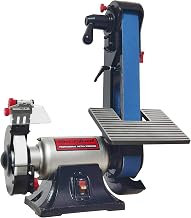
This guide shows you exactly how to remove, sharpen, balance, and reinstall a mower blade using a bench grinder or a dedicated blade sharpener in 2026. Whether you use a purpose-built machine like the VEVOR or JLD 1HP sharpener or a simple drill-mounted stone, the technique and the all-important balancing step are the same.
Our top picks

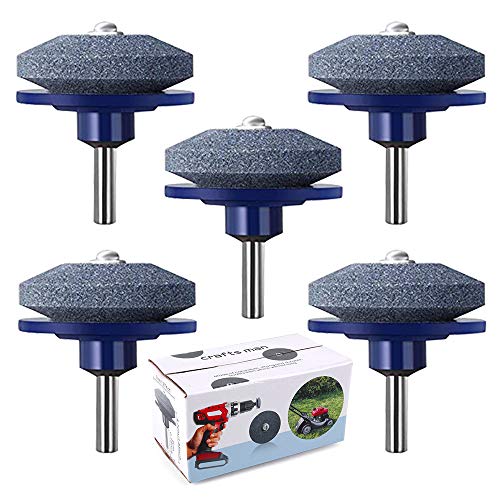
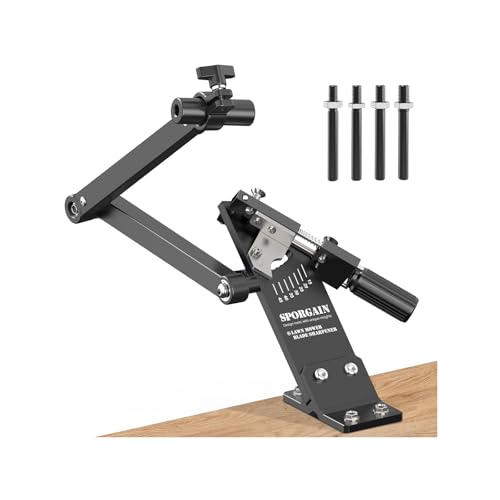


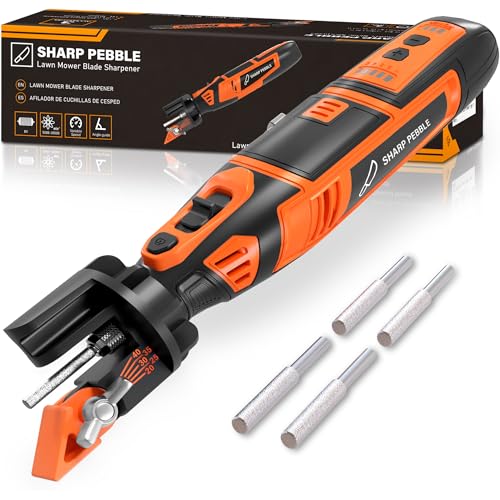


As an Amazon Associate we earn from qualifying purchases at no extra cost to you. Ratings are shown as listed on Amazon.
⚡ Save on Your Next PC — Amazon Prime
Prime members get fast free shipping on the systems above, plus early access to Prime Day & Black Friday PC deals. New members get a 30-day free trial.
Watch: How to Sharpen Lawn Mower Blades with a Grinder — Video Review
Safety First: Disconnect the Power
Before touching the blade, eliminate any chance of the engine starting. On a gas mower, disconnect the spark plug wire and tip the mower with the carburetor and air filter facing up to avoid oil and fuel leaks. On a cordless or corded electric mower, remove the battery or unplug it entirely. Wear heavy gloves when handling the blade, because even a dull one has enough edge to cut you.
Removing the Blade
Wedge a block of wood between the blade and the mower deck to stop it from turning, then loosen the center bolt with a socket wrench, turning counterclockwise. Note the blade’s orientation before it comes off, the side with the cutting edges and any wing lift faces a specific direction, so mark the bottom with a paint pen if you are unsure. Take this moment to scrape caked grass off the underside of the deck.
Grinding the Cutting Edge
Match the grinder to the blade’s original bevel, typically around 30 to 40 degrees. A dedicated sharpener like the VEVOR 1HP with its 30-degree and 40-degree brackets makes holding the correct angle effortless, while a bench grinder or an adjustable frame sharpener such as the SporGain requires you to maintain the angle by hand. Grind with the factory bevel, moving the blade steadily across the wheel in light passes to avoid overheating. If the steel turns blue, you are grinding too hard and ruining its temper.
- Follow the existing bevel angle rather than creating a new one.
- Use light, even passes and let the blade cool between them.
- Aim for a butter-knife edge, not a razor, which would chip on the first rock.
- Sharpen both cutting edges equally to keep the blade balanced.
Balancing and Reinstalling
An unbalanced blade vibrates violently, wearing out the mower’s spindle bearings and engine. After sharpening, check balance by hanging the blade on a nail or a cone balancer, which some kits like the VEVOR and JLD include. If one side dips, grind a little more metal from that heavier end until the blade sits level. Then reinstall it in the correct orientation, torque the center bolt to spec, and reconnect the spark plug.
Tips
- Keep a spare blade: Swap in a sharp spare and sharpen the dull one at your leisure, so mowing never waits.
- Sharpen 2 to 3 times a season: More often if you mow large areas or hit sandy soil that dulls edges fast.
- Never over-sharpen: A too-thin edge chips and dulls quickly; a sturdy 30 to 40-degree bevel lasts longer.
- Balance every time: Skipping the balance step is the fastest way to destroy your mower’s bearings.
Frequently Asked Questions
How sharp should a lawn mower blade be?
About as sharp as a butter knife. A mower blade cuts by impact at high speed, not by slicing, so a razor edge is unnecessary and will chip on the first stone. Aim for a clean, consistent bevel that will hold up to debris.
What angle should I sharpen the blade to?
Follow the factory bevel, which is usually between 30 and 40 degrees. Dedicated sharpeners like the VEVOR include 30 and 40-degree brackets to set it precisely; if using a bench grinder, match the original angle as closely as you can by eye.
Why is balancing the blade so important?
An unbalanced blade spins thousands of times per minute, and even a slight weight difference creates strong vibration that destroys the mower’s spindle bearings and stresses the engine. Always balance after sharpening by removing metal from the heavier side.
Can I sharpen the blade without removing it?
You can touch up an edge in place with a drill-mounted stone like the cenoz sharpener, but for a proper job and to check balance, removing the blade is strongly recommended. It also lets you inspect for cracks and clean the deck.
Conclusion
Sharpening your own mower blade is a fifteen-minute job that transforms how your lawn looks and cuts. Disconnect the power, remove the blade, grind to the factory bevel without overheating the steel, balance it carefully, and reinstall. With a dedicated sharpener like the VEVOR or JLD 1HP machine, or even a simple bench grinder, you will keep your grass healthy and your mower running smoothly all season in 2026.