
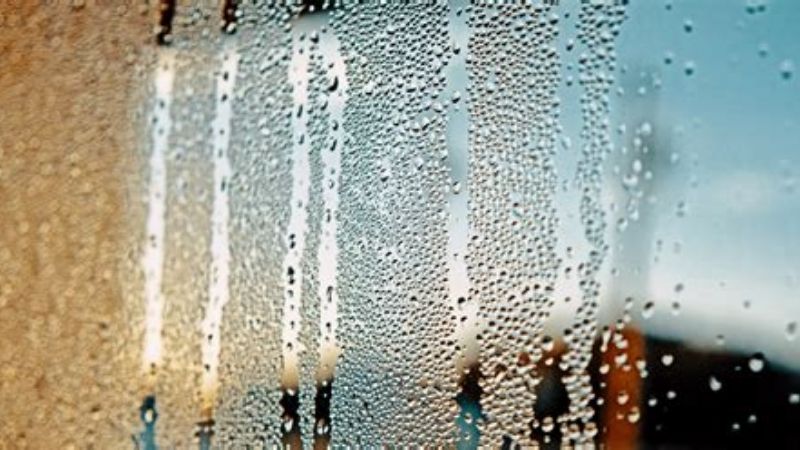
Why are my windows sweating? Sweating windows do NOT automatically mean the window is defective: inside condensation often reflects moist room air meeting cold glass; outdoor dew can be normal. Fog TRAPPED between sealed panes is a different sign. EPA: when air rich in water vapor contacts a cold surface, moisture can condense; window glass is a common example.
Quick Answer: Windows sweat when water vapor reaches a glass surface cold enough for condensation. Moisture on the ROOM side often signals indoor humidity/cold glass; on the OUTSIDE it is usually dew; persistent fog trapped BETWEEN sealed double panes points toward an insulated-glass seal problem.
As an Amazon Associate we earn from qualifying purchases.
By DIY Ideas 4 Home Editorial Team
Why This Happens: Causes and Warning Signs
Water on the room side of a window usually forms when humid indoor air reaches a sufficiently cold glass surface. The water on window glass table separates plausible normal behavior from causes needing attention.
| Symptom or Sign | Likely Cause | First Check | DIY or Pro |
|---|---|---|---|
| Mechanism | EPA: when air rich in water vapor contacts a cold surface, moisture can condense; window glass is a common example. | Observe the symptom under normal settings | Consult the model manual |
| Humidity and condensation | EPA advises rapid drying and controlling the water/moisture source if windows or walls become wet. | Observe the symptom under normal settings | Consult the model manual |
| Indoor vs failed window | Andersen: condensation on the room-facing glass usually reflects air moisture and cold glass and does not itself indicate insulated-glass failure. | Observe the symptom under normal settings | Consult the model manual |
| Exterior dew | Andersen: condensation on exterior glass can be normal when glass is below outdoor dew point; often clears later. | Observe the symptom under normal settings | Consult the model manual |
| Between sealed panes | Andersen: moisture BETWEEN double-pane sealed glazing indicates a failed seal and professional glass-unit solution, not a humidity wipe-off fix. | Observe the symptom under normal settings | Consult the model manual |
| Seasonal severity | Andersen: colder seasons, different window insulation and airflow influence risk; manufacturer’s winter 30 to 35% suggestion is NOT a universal federal target. | Observe the symptom under normal settings | Consult the model manual |
Room-side droplets: indoor air meets cooler glass
Continued water on trim or walls deserves prompt attention because moisture can damage finishes and promote mold. Address leaks separately from surface condensation
Andersen reports that condensation on the room-facing glass usually reflects air moisture and cold glass and does not itself indicate insulated-glass failure. A similar sign on another water on window glass model may follow a different control mechanism.
For a water on window glass sign, compare the event with the expected running mode. Note the water on window glass setting, its timing and the location without removing protected components.
Locate the moisture first: interior, exterior or trapped between panes point to different explanations and remedies.
Condensation on the room-facing glass usually follows a simple physical chain: humid indoor air meets a surface cold enough for vapor to turn into liquid. Sources such as cooking, bathing, drying laundry, or a humidifier can add vapor while cold weather reduces interior glazing temperature. The EPA describes this as a moisture and surface-temperature interaction, not necessarily proof that the entire heating system is defective.
Exterior droplets: nighttime dew and outdoor air conditions
Andersen reports that condensation on exterior glass can be normal when glass is below outdoor dew point; often clears later.
Andersen: condensation on exterior glass can be normal when glass is below outdoor dew point; often clears later.
Fog or moisture between panes: likely IGU seal problem
Andersen reports that moisture BETWEEN double-pane sealed glazing indicates a failed seal and professional glass-unit solution, not a humidity wipe-off fix.
A repeating water on window glass fault deserves investigation rather than repeated forced operation.
Andersen: moisture BETWEEN double-pane sealed glazing indicates a failed seal and professional glass-unit solution, not a humidity wipe-off fix.
First identify whether droplets are indoors, outdoors, or between two panes. Exterior condensation may form under weather conditions where the outer glass is cool; it is not the same problem as indoor water running down a sill. Fog trapped between sealed glass layers points toward an insulated-glass-unit issue that changes neither with room cleaning nor a portable dehumidifier alone. Record the exact side before choosing an intervention.
Decision tree: wipe test and location of persistent haze
Andersen Windows explains that andersen describes exterior, interior and inter-pane condensation as separate scenarios.
Confirm whether the water on window glass signal describes a measurable problem or only a status display.
EPA: 30 to 50% ideal RH if possible, below 60%; compare to ENERGY STAR cold climate 30 to 40%, not a claim of the maximum safe RH for every window.
What dew point means without invented thresholds
EPA advises exhaust fans for cooking/showering and adjustment of humidifiers to manage moisture. Use this water on window glass clue to distinguish ordinary cycles from recurrent abnormal operation. If a permitted water on window glass check helps, confirm the result remains stable in normal use.
Before naming the cause, rule out the simple external water on window glass checks authorized by the maker. If the water on window glass problem persists, describe the visible sequence without guessing at concealed parts.
EPA:
Repeated wet frames and sills deserve attention because prolonged dampness can damage finishes and support mold. Promptly dry standing droplets, investigate room RH and ventilation, and check whether curtains trap stagnant humid air against glass. The EPA recommends fixing moisture sources rather than waiting for evaporation to hide a recurring leak. A cold window may need improved glazing or air sealing after household moisture is under control.
How to Check the Problem Safely
These water on window glass actions avoid protected components and stay within owner-permitted maintenance, and each response should be judged against the device manual and the actual room condition
Step 1: Differences among single, double and better-insulat
EPA advises rapid drying and controlling the water/moisture source if windows or walls become wet. Match the water on window glass model, operating mode and exact location to the explanation.
Perform this water on window glass step only when the official manual expressly permits it. Lay out water on window glass materials ahead of time to avoid reaching into a dangerous work area.
Step 2: Pooled water on sills and wet trim: monitor promptl
EPA reports that when air rich in water vapor contacts a cold surface, moisture can condense; window glass is a common example.
Begin with external water on window glass controls and observations available without dismantling the unit. Afterward, return the water on window glass system to its specified normal configuration and check its response.
Andersen: condensation on the room-facing glass usually reflects air moisture and cold glass and does not itself indicate insulated-glass failure.
One window sweating when others stay dry may reveal a different glass design, cold bridge, nearby humidity source, or air distribution pattern. Compare conditions rather than assuming a uniform whole-house humidity error. If the only moisture is between panes, contact a glazing professional. If the moisture is indoors across several rooms, measure RH and investigate household moisture generation before purchasing a dehumidifier.
Step 3: Persistent between-pane haze: contact glazing/windo
EPA reports that 30 to 50% ideal RH if possible, below 60%; compare to ENERGY STAR cold climate 30 to 40%, not a claim of the maximum safe RH for every window.
The goal of this water on window glass step is a reliable observation, not repeated attempts to force operation. Follow the maker’s water on window glass procedure and record the display or mechanical response.
Andersen describes exterior, interior and inter-pane condensation as separate scenarios.
Step 4: Small temporary exterior dew: often normal
Andersen reports that colder seasons, different window insulation and airflow influence risk; manufacturer’s winter 30 to 35% suggestion is NOT a universal federal target.
Keep the water on window glass owner manual and specified materials at hand. Never force a water on window glass component that does not fit as shown.
Andersen: colder seasons, different window insulation and airflow influence risk; manufacturer’s winter 30 to 35% suggestion is NOT a universal federal target.
Products That Help
digital hygrometer and window manufacturer maintenance manual are relevant here only when their dimensions, operating conditions, and intended purpose match the situation. Use the exact manual or official product listing to confirm compatibility rather than buying an unverified substitute.
When to Call a Pro
Persistent water on window glass after the ordinary water on window glass owner checks, repeated protection trips or hidden internal faults warrants help from a qualified professional rather than opening the protected equipment
Frequently Asked Questions
The questions below address unresolved decisions about water on window glass. The answers stay within the source conditions rather than inventing a model-specific fix
Is sweating on the inside of windows normal?
Occasional interior condensation can occur when humid indoor air meets cold glass, but recurring droplets and wet frames should not be ignored. EPA stresses correcting dampness and moisture sources.
Does outside condensation mean energy-efficient windows?
Exterior surface condensation can happen when outdoor air meets cool glass, and does not prove a defect or efficiency rating on its own. Identify which surface is wet first.
Can a dehumidifier fix fog inside double-pane glass?
No. Moisture trapped between sealed double-pane glass layers generally points toward an insulated glass unit problem, not a humidity issue a room dehumidifier can repair.
Why do my windows sweat more in winter?
The inside surface of a window becomes colder while household moisture from bathing, cooking, or breathing continues. EPA’s condensation explanation connects humid air with cold surfaces.
Final Thoughts
Find the wet surface: room-side glass, outdoor glass, or the sealed gap between panes. Why are my windows sweating has different answers for those three locations, and each points to a different next action. Interior moisture calls for humidity control; trapped glazing moisture calls for a window professional.
