
Our Top Picks
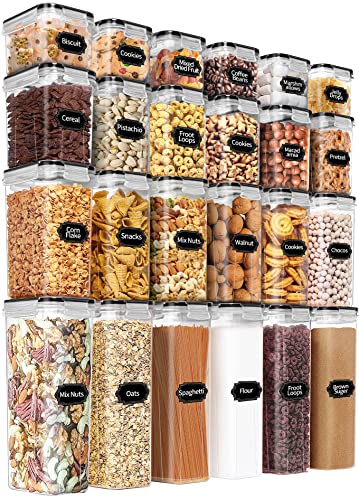 PRAKI Airtight Food Storage Containers Set with Lids0.8L/1.4L/2.0L/2.8L13 x 12 x 7 inchesCheck on Amazon
 Tiawudi 12 Pack Plastic Storage Bins10.5" x 7.2" x 4.5" (4.2L)10.5 x 7.2 x 4.5 Inches8.9 poundsCheck on Amazon
Short answer: the best pantry organization products are the ones that solve your specific problem: lost items at the back, spilled bags of dry goods, wasted space above shelves, or an overflowing door. Airtight containers keep staples fresh and tidy, turntables and bins tame deep shelves, risers and door racks add layers, and pull-out shelves bring the back forward. Start by emptying the pantry, measuring the shelves, and deciding what gets decanted into containers. Always use food-safe products, label dates, and keep the space dry, cool and clean.
Table of contents
- Types of pantry organization products
- Materials compared
- Food storage safety
- Emptying, sorting and zoning
- Measuring shelves and choosing sizes
- Features that matter
- Setup and installation
- Cleaning and upkeep
- Common mistakes
- Who should choose what
- Checklist
- FAQ
- Conclusion
Types of pantry organization products
Pantry products fall into a few jobs. Some contain loose food, some reorganize shelf space, and some add new storage in places you were not using. Knowing the job tells you which type to buy.
Airtight food containers
Containers with a sealing lid for flour, sugar, rice, pasta, cereal, snacks and baking supplies. They keep out moisture and pests, make contents visible, and stack neatly. Square and rectangular shapes use shelf space better than round ones. The seal is what matters: a lid that clicks shut but has no gasket will not keep dry goods fresh in a humid kitchen.
Open bins and baskets
Wide bins group packets, snack bars, spice sachets and items with irregular shapes. They let you pull a whole category out at once, and handles help on deep shelves. Choose them for items that are already in their own packaging, since open bins do not protect food.
Turntables (lazy Susans)
Rotating trays for oils, sauces, jars and canned goods. They fix the problem of reaching into a corner or a deep shelf and finding what is at the back. A low rim stops bottles from sliding off.
Shelf risers and tiered shelves
Small steps or platforms that create a second level on a shelf, so cans and spice jars in the back are visible. Expandable risers adjust to shelf width. They suit shallow items; tall boxes under a riser can waste vertical space.
Door-mounted racks
Racks that hang over the pantry door or attach to the back of it. They use dead space for spices, wraps, small packets and cans. Door weight limits are low, and a loaded rack can stop a door from closing or rub against shelves.
Pull-out drawers and sliding shelves
Drawers on slides that bring items from the back to the front. They are the most convenient option, and also the most work to install and to size correctly, because slides need clearance on both sides.
Can dispensers and rolling organizers
Gravity-fed racks that hold cans in rows and release them at the front. They keep older stock moving first, but they have a fixed can size and take more shelf depth than they appear to.
Labels and lid tags
Not glamorous but essential. Labels reduce guessing, and a date tag lets you track when something was opened.
| Type | Best for | Space it adds | Installation | Limitation |
|---|---|---|---|---|
| Airtight containers | Dry staples, baking goods | Tidier use of shelf space | None | Requires decanting and labeling |
| Open bins and baskets | Packaged snacks, packets | Groups clutter | None | Does not protect opened food |
| Turntables | Oils, sauces, jars | Access to corners | None | Wastes space with tall items |
| Shelf risers | Cans, spices | A second level | None | Little help for tall boxes |
| Door racks | Spices, wraps, small packs | Back of door | Hang or screw on | Low weight limits |
| Pull-out drawers | Deep shelves, heavy items | Back-of-shelf access | Moderate to high | Needs clearance and sturdy shelves |
| Can dispensers | Canned goods | Row storage | None | Fixed can size |
Materials compared
For containers and organizers, material affects food safety, weight and durability.
Glass
Glass does not absorb odors or stains, is easy to see through and does not leach into food. It is heavy and breakable, which matters on high shelves and around children. Check the lid material, since the seal is usually plastic or silicone.
Food-grade plastic
Light, stackable, and available in many shapes. Products intended for food contact should say so on the packaging. Plastic can scratch, stain from tomato or turmeric, and hold odors. Do not use containers that were not made for food, and replace any that are cracked, clouded or smell of old contents.
Stainless steel
Durable, lightproof and good for coffee, tea, flour and sugar. You cannot see the contents without a label or a window, and cheap lids can dent.
Bamboo and wood
Used for bins, risers and lids. Attractive and fairly light, but porous. Use them for packaged food or lined baskets rather than loose dry goods, and keep them away from moisture.
Wire and metal
Wire baskets and racks hold weight well and let air circulate. Small items can fall through the gaps unless you add a liner, and coated wire can chip and rust if the coating wears.
Fabric and woven baskets
Soft and quiet, good for bagged snacks or produce like onions that need airflow. Fabric is harder to wipe clean, and spills can soak in.
| Material | Food contact | Weight | Easy to clean | Watch out for |
|---|---|---|---|---|
| Glass | Excellent | Heavy | Very | Breakage, plastic lids |
| Food-grade plastic | Good if rated for food | Light | Yes | Stains, odors, cracks |
| Stainless steel | Good | Moderate | Yes | Opaque, dents |
| Bamboo or wood | Fair for packaged items | Light | Moderate | Moisture, porosity |
| Coated wire | Not for loose food | Light to moderate | Yes | Gaps, rust at chips |
| Fabric or woven | Not for loose food | Light | No | Spills, odors |
Food storage safety
Organizers are only helpful if the food in them stays safe, so this deserves a section of its own.
- Use containers made for food. Do not repurpose containers that held cleaning products, paint, or anything non-food, and avoid containers with a chemical smell.
- Keep the original information. When you pour food into a container, keep the best-by date and any allergen or cooking instructions, for example by cutting the label from the package and taping it inside the lid or photographing it. This helps with recalls and allergies.
- Do not top up old with new. Empty and wash a container between refills, so old product at the bottom does not go stale and spoil fresh stock.
- Store dry goods dry. Moisture encourages mold and clumping. Make sure containers are fully dry before filling them.
- Control temperature and light. Keep the pantry away from ovens, dishwashers and sunny windows, since heat speeds spoilage in oils, nuts and spices.
- Guard against pests. Sealed containers help keep out pantry moths, weevils and rodents. If you find signs, discard affected items and clean thoroughly.
- Separate chemicals. Keep cleaning products on a lower shelf or in another cabinet, not above food, and keep them out of reach of children.
- Check dates and refrigerate when needed. Some products, like opened oils or nut butters, may need refrigeration after opening according to the label.
- Remember allergens. Label containers and consider separating items for anyone in the household with food allergies.
Emptying, sorting and zoning
The most effective step is free: take everything out. Wipe the shelves, check dates, and discard expired or stale items. Group what remains by category such as baking, breakfast, pasta and grains, canned goods, snacks, oils and condiments, and drinks.
Now assign zones. Put things you use daily at eye level and between waist and shoulder height. Heavy items such as large bags, cans and appliances belong low, so you do not lift them over your head. Light but bulky items like cereal boxes and snack bags work well on higher shelves. Children’s snacks can live on a low shelf they can reach, away from anything hazardous. Keep baking supplies together so you can grab them all in one trip.
Take a few minutes to decide what to decant. Containers work best for open or frequently used staples with a short shelf life once opened, such as flour, rice, sugar and cereal. Items that arrive in good resealable packaging, like cans and sealed jars, usually do not need decanting. Decanting everything looks tidy but takes effort and, if you do not keep labels, can lose important information.
Measuring shelves and choosing sizes
Pantry products are sold by dimension, so a tape measure saves returns. For each shelf, measure the usable width, the depth from the front edge to the back wall, and the clear height to the shelf above. Measure the door opening and the thickness of the door, since over-door racks need clearance. Note anything that intrudes, such as hinges, pipes, vents and baseboards.
Use these numbers to choose sizes. Pick containers that fit in a whole number across the shelf with a little slack, because stacking containers of different widths leaves gaps. Square containers use shelf space better than round ones; round ones are easier to grip and pour. For a deep shelf, choose bins with handles that are about two-thirds of the shelf depth, so you can reach the back without pulling a heavy bin out entirely. Leave about an inch of headroom above containers, so lids open and you can slide them out.
A basic tool to pair with this is a set of stackable airtight pantry containers in a few matching sizes, which makes planning straightforward.
Features that matter
A reliable seal
Look for a gasket, a locking lid or a screw-down closure. Test by pressing the lid; a seal that is easy to snap shut usually can be trusted for everyday dry goods, but not for liquids.
Wide mouths
A wide opening lets you scoop and fill without spilling and makes cleaning simple. Narrow necks are fine for sugar and grains you pour.
Stackability and uniform sizes
Containers that nest or stack, and that share a footprint, convert shelves into neat grids. Check that lids do not get in the way of stacking.
Weight capacity of shelving products
Risers, turntables and pull-out drawers have stated limits. Cans and jars are heavy, so check the number before loading, and spread weight evenly.
Setup and installation
Most pantry products need no tools: you place them on shelves. For ones that do need installation, follow the steps below.
- Clean and dry shelves before anything goes back in.
- Install door racks last. Check the clearance and, if the rack hooks over the door, test that the door still closes. For screw-in racks, find solid material to screw into, and use the screw length that will not poke through the other side of the door.
- Mount wall-mounted shelves or rails into studs where possible and use anchors that are rated for the load otherwise.
- Fit pull-out drawers with the slides level and square. Check that the drawer clears the door frame and hinges when fully open.
- Place heaviest items lowest and load pull-outs and risers gradually, checking for flex.
- Label everything after you decide on zones, using labels on the front and the top.
If your shelves are particle board and sag, add a support in the middle or shorten the span before piling on heavy jars. A pair of expandable shelf risers is a low-effort first step when the problem is wasted height rather than lost depth.
Cleaning and upkeep
Wash containers with warm soapy water, rinse them well and let them dry completely before refilling; check the care label before using a dishwasher, since some lids and plastics are not heat-rated for it. Wipe shelves and turntables with a damp cloth, and vacuum crumbs from corners. Once a quarter, pull everything forward, check dates and look for signs of pests. Replace lids with warped gaskets and containers with cracks, because both let in moisture. Set a small routine: when you finish a container, wash it before the next bag goes in.
Common mistakes
Buying containers first. It feels productive, but without measuring and sorting you end up with the wrong sizes. Declutter and measure first.
Decanting everything. Pouring items out of useful packaging can remove cooking instructions, dates and allergen warnings.
Mixing old and new. Topping up a container hides old stock. Empty and wash between refills.
Putting heavy items up high. Large jars or appliances on upper shelves are a hazard. Keep heavy things between knee and shoulder height.
Overloading door racks. Doors and hinges are not designed for heavy weight, and a full rack can scrape the shelves.
Who should choose what
Small pantries and cupboards benefit from shelf risers, over-the-door racks and slim stackable containers that use height.
Deep, walk-in pantries work best with bins with handles, turntables in corners and, if budget allows, pull-out shelves for the heaviest items.
Families with children should keep a low, open bin for kid-friendly snacks and put cleaning products and breakable glass out of reach.
Bakers and bulk shoppers need large airtight containers with a scoop and enough space for flour, sugar and grains, preferably with date labels.
Renters can stick to freestanding products such as risers, turntables, bins and over-the-door racks that do not need screws.
People with allergies should use clear labels and separate containers for allergen-free items.
Checklist
- Empty the pantry, wipe the shelves and discard expired or stale food.
- Group items by category and decide what to decant.
- Measure the width, depth and height of each shelf and the door clearance.
- Choose food-safe containers with a reliable seal and a uniform footprint.
- Check the weight limit of risers, racks and pull-outs before loading.
- Keep dates and allergen information when decanting.
- Store heavy items low and cleaning products apart from food.
- Label each container and each zone.
- Schedule a quarterly check for dates, pests and moisture.
Frequently asked questions
What pantry organizers should I buy first?
Begin with a few airtight containers for staples and a couple of bins, after you have measured. Add risers or turntables if you still lose items in the back.
Are plastic or glass containers better for food?
Glass is inert and easy to clean but heavy; food-grade plastic is light and shatter-resistant but can stain. Choose by shelf height, household and how you use the container.
How long does flour or rice stay fresh in a container?
It depends on the product and conditions. Follow the best-by date on the original package and look for off smells or pests.
Do I need to throw away the original packaging?
Not necessarily. Keep the date and allergen information, for example by taping the label to the container.
How do I keep pantry moths out?
Store grains and flour in sealed containers, clean spills, and inspect packages when you buy them. If you see signs, discard the affected food and clean the shelves.
Do lazy Susans really help?
They help in corners and on deep shelves for jars and bottles, but waste space with tall boxes.
Can I install pull-out shelves myself?
Many people can, with basic tools. You need level, square installation and enough clearance, so measure carefully first.
How should I organize a pantry with no shelves?
Use a freestanding shelving unit or stackable bins, keep items off the floor, and add risers to use vertical space.
Conclusion
A well-organized pantry is not about matching jars; it is about knowing what you have and getting to it easily. Empty the space, sort by category, measure the shelves and then pick products that solve your problems: airtight containers for fresh staples, turntables and bins for deep shelves, risers and door racks for extra levels. Keep food safe by using food-grade containers, keeping labels, and storing the pantry cool and dry. When you are ready, compare pantry organizers by type and size and match them to your measurements.
Disclosure: As an Amazon Associate, this site may earn from qualifying purchases made through links on this page, at no extra cost to you.
More from Amazon
Programs that pair well with the guide above. Offers and eligibility are set by Amazon and may change.
A free business account with business pricing and bulk-buying tools for work, shop or home office.
Create a business accountFree shipping on eligible items, Prime Video and more. Eligible new members can start with a free trial.
Start a Prime free trialAudiobooks and podcasts to listen to on the go. Eligible new members can start with a free trial.
Try Audible freeAd-free music streaming. Eligible new subscribers can start with a free trial.
Try Music Unlimited freeAs an Amazon Associate we earn from qualifying purchases.
