Key takeaways
- The first rule of fabric scissors is that they should never touch paper, and the second is that blade length changes how you cut.
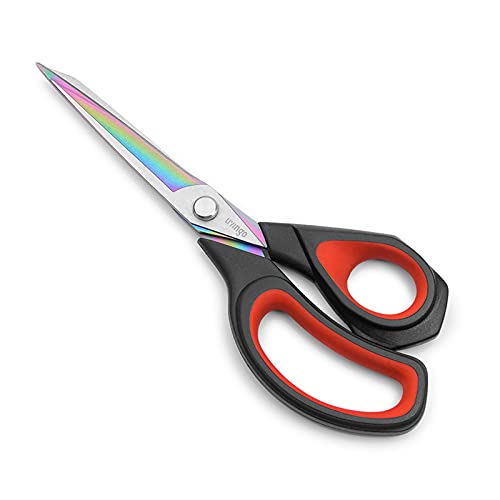
The first rule of fabric scissors is that they should never touch paper, and the second is that blade length changes how you cut. An 8 inch pair gives control on curves and corners; a 10 inch pair covers long straight runs of yardage in fewer strokes. Choosing between them is the real decision behind this keyword, and it matters more than any logo stamped on the handle.
This guide is meant for home sewists, quilters, and costume makers who cut cotton, linen, and the occasional stretch of denim or leather, and who are tired of shears that chew the edge of a seam allowance. Every pick is based on the details in its listing title, including blade length, steel type, and handle shape. Where a title is silent on something like weight or hand orientation, the advice is to look at the full listing before buying.
Quick Picks
Our top picks




As an Amazon Associate we earn from qualifying purchases at no extra cost to you.
| Product | Best for | Key spec from the title |
|---|---|---|
| Fiskars RazorEdge 8 inch | Everyday sewing with a modern pivot | Stainless steel blades with advanced pivot design |
| LIVINGO 9.5 inch | Long cuts and heavier fabric | Titanium coated forged stainless steel blade, comfort grip |
| Mr. Pen 9.5 inch Tailor Scissors | All-purpose shears for clothes and crafts | Heavy duty stainless steel, 9.5 inch |
| Fiskars Original Orange-Handled 8 inch | Mixed craft, office, and sewing use | Bent handle keeps material flat |
| LIVINGO 8 inch | Precise dressmaking work | Forged stainless steel with bent blade design |
| SINGER 8.5 inch | Light-duty sewing with a soft grip | Stainless steel 8.5 inch dressmaker shears with comfort grip |
| Fiskars Bent Forged 8 inch | Hemming and measured cuts | Forged stainless steel with 6 inch sewing gauge |
| Professional 10 inch Tailor Shears | Leather, canvas, and long straight cuts | 10 inch high carbon steel, heavy duty |
How to Choose
Blade length from 8 to 10 inches
Shorter blades, around 8 inches, offer better control on curves, armholes, and necklines. Blades near 9.5 or 10 inches cut long straight lines in fewer passes, which keeps edges cleaner on yardage. If you sew mostly garments for yourself, an 8 or 8.5 inch pair is a safe starting point; if you cut curtains or quilt backing, step up in length.
Bent versus straight handles
Bent-handle shears let the lower blade rest on the table while the fabric stays flat, which reduces lifting and keeps the pattern from shifting. Straight scissors are easier for snipping thread tails and trimming seams. Many sewists end up owning one pair of each.
Steel and coating
Forged stainless steel holds an edge well, and high carbon steel is a traditional choice for tailor shears. Coatings, such as the titanium coating named on one listing, are designed to resist wear, but they do not replace occasional sharpening. Budget pairs sometimes use thinner steel that feels fine on cotton but struggles on denim or leather.
Grip, tension, and storage
Comfort grips help during long cutting sessions, but the handle opening must suit your hand. A smooth pivot with no wobble is more important than extra features. Keep fabric shears labeled and away from paper, store them with blades closed in a secure spot, and keep them out of reach of children. As of 2026 the market is crowded, so rely on the described steel and length rather than marketing adjectives.
The 8 Best Options
Fiskars RazorEdge 8 inch Fabric Scissors
Fiskars describes these as heavy duty, sharp shears with stainless steel blades that glide through fabric and an advanced pivot design. They suit sewists who want a trusted brand name and a reliable everyday size for garment work. Because 8 inch shears are the most common length in sewing rooms, patterns and tutorials tend to assume this size, which makes the RazorEdge an easy first step for someone building a basic sewing kit.
- Strength: the 8 inch length offers good control on curves.
- Strength: the pivot design is built to keep the blades moving smoothly.
- Trade-off: the title does not mention a coating or a handle shape, so confirm comfort details on the listing.
Skip them if you routinely cut very long, straight lengths of fabric.
LIVINGO 9.5 inch Professional Shears
The LIVINGO 9.5 inch pair advertises a titanium coated, forged stainless steel blade with a comfort grip, and the title mentions leather and dressmaking use. They are meant for sewists who cut heavier materials and want a longer blade. A coated blade is designed to resist surface wear, which can appeal to anyone who cuts a mix of cotton, upholstery scraps, and craft leather and does not want to babysit the steel after every project.
- Strength: the longer blade covers more distance per cut.
- Strength: forged stainless steel and a coating are designed for durability.
- Trade-off: 9.5 inches is more than some people want for small detail work.
Skip them if you prefer short shears for small curves.
Mr. Pen 9.5 inch Tailor Scissors
These are described as premium tailor scissors in heavy duty stainless steel, intended for cutting clothes, sewing, and craft projects. They sit in the sweet spot for those who want one pair to cover most home tasks. The listing names clothes, sewing, and craft projects together, so these shears make sense in a household where the same pair cuts a hem on Saturday and felt for a school project on Sunday.
- Strength: a 9.5 inch blade balances reach and control.
- Strength: all-purpose positioning suits mixed craft and sewing use.
- Trade-off: the visible title offers limited detail on the grip.
Skip them if left-handed comfort or a specific handle shape is critical, and check the listing first.
Fiskars Original Orange-Handled 8 inch
This classic pairs an ergonomic bent handle that keeps materials flat with an all-purpose design for crafts, office, and sewing. It is a good fit for households that share one pair of scissors for many jobs. The orange handle is easy to spot in a cluttered craft bin, and the familiar shape makes it comfortable for people who have used similar scissors in classrooms or offices, which lowers the adjustment period.
- Strength: the bent handle supports flat cutting on a table.
- Strength: all-purpose use makes it a flexible choice.
- Trade-off: a jack-of-all-trades design is not as specialized as dedicated dressmaker shears.
Skip it if you need a pair reserved strictly for fabric.
LIVINGO 8 inch Tailor Sewing Shears
LIVINGO lists forged stainless steel construction, an ultra sharp edge, and a bent blade design in an 8 inch size. It suits dressmakers who want a compact bent shear for patterns with curves. The ultra sharp edge wording points to a pair meant for clean cuts on lightweight fabrics such as cotton lawn or rayon, where a dull blade would pucker the cloth and push the pattern piece off its mark.
- Strength: the bent design keeps fabric flat as you cut.
- Strength: forged stainless steel construction is built for repeated use.
- Trade-off: shorter length means more strokes on long straight cuts.
Skip it if you cut mostly heavy, wide yardage.
SINGER 8.5 inch Dressmaker Shears
SINGER calls these dressmaker scissors with a comfort grip in red and white, in stainless steel at 8.5 inches, designed to cut fabric smoothly. They fit the casual sewist who wants a recognizable name and a soft handle. For a student starting a first sewing class or a parent mending school uniforms, a mid-length pair with a cushioned grip is easier to live with than a heavy industrial shear, and the dressmaker label keeps expectations realistic.
- Strength: a comfort grip eases long cutting sessions.
- Strength: 8.5 inches adds a bit of reach over standard 8 inch pairs.
- Trade-off: the title does not list the forged construction found on some rivals.
Skip it if you expect to cut thick leather or canvas often.
Fiskars Bent Forged 8 inch with Sewing Gauge
This Fiskars model is described as forged stainless steel with a bent handle and a 6 inch sewing gauge that slides to lock in measurements for hems and seam allowances. It is aimed at sewists who want repeatable cuts. Anyone who hems curtains or school trousers knows how tedious it is to re-measure every few inches, and a sliding gauge on the blade is designed to reduce that back-and-forth with a ruler.
- Strength: the built-in gauge helps keep hem widths consistent.
- Strength: forged stainless steel with a bent profile suits flat cutting.
- Trade-off: the gauge adds a feature you may not use if you mark fabric by hand.
Skip it if you prefer the simplest possible shears.
Professional 10 inch Tailor Shears
This pair is listed at 10 inches, in high carbon steel, with heavy duty and industrial strength wording and a mention of leather and tailoring. They target people who cut long lines or tougher material. A longer shear works best on a large cutting table where the full blade can rest on the surface, so make sure your workspace is big enough before choosing a pair this size.
- Strength: the 10 inch blade covers long straight cuts quickly.
- Strength: high carbon steel is a traditional tailor choice.
- Trade-off: a long, heavy shear can feel awkward on small curves.
Skip it if you mainly trim small craft pieces.
Which One Fits Your Situation
You sew garments and need curve control
The LIVINGO 8 inch or the Fiskars RazorEdge 8 inch offer compact blades that follow necklines and armholes with less effort.
You cut curtains, quilt tops, or long yardage
The Professional 10 inch Tailor Shears or the LIVINGO 9.5 inch cover more fabric per stroke.
You hem a lot of pants and skirts
The Fiskars Bent Forged 8 inch with its 6 inch sewing gauge helps keep measurements repeatable.
You want one pair for crafts and sewing
The Fiskars Original Orange-Handled 8 inch is the flexible all-rounder, with a bent handle for flat cutting.
Common Mistakes
- Cutting paper with fabric shears, which dulls the edge quickly.
- Choosing blade length without thinking about the projects you actually sew.
- Assuming a coating means you never need to sharpen.
- Lifting fabric off the table while cutting, which distorts the pattern line.
- Storing shears loose in a drawer where the points can catch on other items or reach a curious child.
Related guides
- Battery Powered Floodlight Camera With Local Storage
- Cordless Drill Brush Attachment For Bathroom Grout
- Rechargeable Emergency Lantern For Power Outages
Frequently Asked Questions
What size fabric scissors are best for beginners?
An 8 to 8.5 inch pair is a common starting point because it gives control on both curves and straight lines. Move up in length if you cut large quantities of yardage.
Are bent-handle shears better than straight ones?
For cutting flat on a table, bent handles help the fabric stay in place. Straight scissors still make sense for thread snips and small trimming jobs.
Can fabric scissors cut leather?
Some listings mention leather use, but thick or tough leather can dull any shear quickly. Check the listing and consider a dedicated pair for heavy materials.
How should fabric scissors be kept sharp?
Reserve them for fabric, store them closed and dry, and have them sharpened by a professional when cuts begin to snag. Follow any care instructions on the listing.
More from Amazon
Programs that pair well with the guide above. Offers and eligibility are set by Amazon and may change.
A free business account with business pricing and bulk-buying tools for work, shop or home office.
Create a business accountFree shipping on eligible items, Prime Video and more. Eligible new members can start with a free trial.
Start a Prime free trialAudiobooks and podcasts to listen to on the go. Eligible new members can start with a free trial.
Try Audible freeAd-free music streaming. Eligible new subscribers can start with a free trial.
Try Music Unlimited freeAs an Amazon Associate we earn from qualifying purchases.