Key takeaways
- Searching for the best mosquito traps usually starts with a bitten ankle at a backyard dinner and ends with a confusing mix of zappers, UV fans.
Searching for the best mosquito traps usually starts with a bitten ankle at a backyard dinner and ends with a confusing mix of zappers, UV fans, plug-in glue traps, and water-activated larvae treatments. They do not all do the same job. Some target adult insects drawn to light, some are designed to interrupt breeding in standing water, and some are really aimed at gnats and flies indoors. The decision this guide helps with is matching the trap type to the place you need it, whether that is a patio, a half-acre yard, a bedroom, or a kitchen.
It is written for homeowners and renters comparing options in 2026 who want clear specs rather than promises. Every pick is judged on the facts in its listing title: voltage, coverage claim, trap method, and indoor or outdoor design. No trap guarantees a bug-free space, results depend on weather, nearby water, and local insect species, and any trap should be one layer alongside draining standing water and using screens. Always follow the manufacturer’s safety instructions and keep electric devices away from children and pets.
Quick Picks
Our top picks



As an Amazon Associate we earn from qualifying purchases at no extra cost to you.
| Product | Best for | Key spec from the title |
|---|---|---|
| Grandpa Gus’s Mosquito Trap, 2 Pack | Standing water and garden areas | Water-activated larvae control, 2 pack |
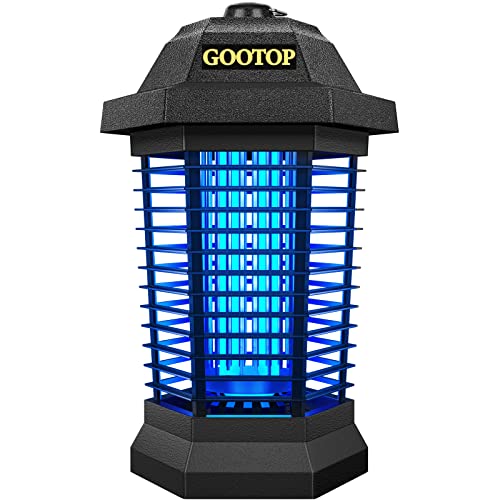
| GOOTOP Bug Zapper | Plug-in outdoor and indoor zapping | 4200V, 3 prong plug-in |
| Dynatrap DT1130SR | Yard-wide outdoor coverage | 1/2 acre coverage claim, outdoor |
| STEM Indoor Fan Trap | Bedrooms and living areas | UV light fan, 1 device + 5 glue traps |
| 4200V Electric Bug Zapper | Covered patios and porches | 4200V, indoor/outdoor, waterproof |
| DynaTrap DT152 | Indoor gnats, flies, and moths | Indoor trap, catches and kills insects |
How to Choose
Adult trap or breeding-site control
Adult traps use light, heat, or attractants to lure flying insects into a zapper grid, a fan, or a glue board. Larvae products work in standing water and are designed to interrupt the next generation rather than catch adults already biting. A larvae treatment suits rain barrels, birdbaths, and puddles that cannot be dumped; an adult trap suits patios where you want fewer insects right now. Many households use one of each, treating water first and then adding a trap for the insects that arrive anyway. Ignore any listing that promises to “eliminate” mosquitoes entirely.
Coverage claims and placement
Coverage numbers, such as a 1/2 acre claim, describe ideal conditions in open space. Walls, hedges, and wind shrink real coverage dramatically. Place outdoor traps along the likely flight path or the edge of the yard, a few feet off the ground, and away from where people sit, since the trap works by drawing insects toward itself. Indoors, aim for a spot away from competing light sources such as lamps and TVs, and expect to use more than one unit in larger rooms. Ignore claims that a single device can protect an entire house; mosquitoes enter through doors and gaps, and a door that stays open all evening defeats most indoor devices.
Zapper voltage and safety
A 4200V figure describes the grid voltage, not the effectiveness of the trap. Higher numbers do not catch more bugs by themselves, but they do mean more electrical hazard: keep zappers out of reach of children and pets, hang them away from flammable materials, and use only on a protected outlet. Check for a waterproof rating before leaving anything out in rain, and note that a three-prong plug needs a grounded outlet. Budget zappers tend to cut corners on housing durability and tray design, so look for a removable cleaning tray and a sturdy hanging loop. Empty and clean the tray with the unit unplugged, and follow local guidance if you live somewhere with burn restrictions or fire-risk seasons.
Indoor traps and consumables
Indoor UV fan and glue traps are quiet and spray-free, but they rely on replacement glue boards or cartridges. Check how many refills are included and whether the replacement parts are widely sold. Traps for fruit flies and gnats do not necessarily capture mosquitoes, so look for the word mosquito in the listing title if that is your target. Plug-in units should be positioned away from beds, curtains, and clutter. Where a fan runs continuously, check the noise level on the listing if you plan to sleep in the same room.
The 6 Best Options
Grandpa Gus’s Mosquito Trap, 2 Pack
This is a water-activated larvae control product for backyard, patio, and garden areas, sold as a two pack. The title mentions a duration claim that runs off the end of the visible text, so confirm how long each unit lasts on the listing. The idea is that water activates the product in a bucket, pond edge, or other pooled spot, so it makes sense for gardeners with rain barrels, saucers, or planters that hold water between storms.
- Strength: a breeding-site approach that targets standing water rather than adults in flight.
- Strength: the two pack covers more than one trouble spot.
- Trade-off: it will not reduce adult mosquitoes already flying in from a neighbor’s yard.
Skip it if you do not have standing water to treat or need an immediate reduction in biting.
GOOTOP Bug Zapper Outdoor
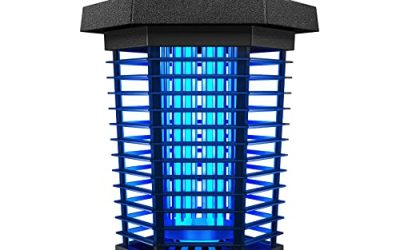
A plug-in electric zapper with a 4200V grid and a 3 prong plug, marketed for mosquitoes and flies, indoors and outdoors. It is the traditional approach: a light draws insects to a charged grid. The 3 prong plug means it expects a grounded outlet, so an extension cord or covered outdoor receptacle is part of the setup, and it should hang where rain cannot drip into the housing unless the listing says otherwise.
- Strength: simple plug-in operation with no consumables.
- Strength: listed for both indoor and outdoor use.
- Trade-off: electric grids can be noisy and need regular cleaning.
Skip it if you have small children or pets who might reach the grid, or if you want a silent trap.
Dynatrap DT1130SR
The model name highlights a 1/2 acre coverage claim, outdoor use, and the ability to catch mosquitoes, flies, wasps, gnats, and other flying insects. It targets whole-yard coverage rather than a single table. The listing positions it as an outdoor trap and killer for several flying insects, so it appeals to owners who deal with more than mosquitoes at dusk. Real coverage will depend on wind, walls, and the layout of the yard.
- Strength: the 1/2 acre claim aims at yard-sized areas.
- Strength: multi-species description casts a wide net.
- Trade-off: the coverage number is a best-case figure; real results vary.
Skip it if you only need a small porch or apartment balcony solution. Owners with a tiny patio can get by with a smaller device and save the placement effort.
STEM Flying Insect Indoor Fan Trap
This indoor unit uses UV light and a fan, and it comes with one device and five glue traps. It is built for flies and mosquitoes in living spaces. Compared with a zapper, a fan with glue boards is calmer in a bedroom or home office, because there is no snapping grid, though the glue boards fill up and need to be swapped when covered.
- Strength: no sprays or chemicals are involved in the design.
- Strength: five glue traps are included to start.
- Trade-off: you will need replacement glue boards over time.
Skip it if the room has strong competing light, which can reduce a UV trap’s appeal.
4200V Electric Bug Zapper, Indoor/Outdoor
Another 4200V unit, described as waterproof and usable indoors or outdoors, with a swatter-style listing name. The title frames it as a fly and mosquito trap for porches and patios. The swatter-style wording suggests a handheld-style look, but the product is listed as a zapper, so verify the form factor and mounting style before ordering. Compare the cord length with where your outlet sits.
- Strength: waterproof construction suits covered outdoor spots.
- Strength: no refills are needed.
- Trade-off: the brand is not named in the visible title, so confirm the seller and warranty details.
Skip it if you want a recognized brand name or a certified model.
DynaTrap DT152 Indoor Insect Trap
An indoor trap described as catching and killing gnats, flies, moths, and other flying insects. Mosquitoes are not named in the visible title, so it fits best as a general indoor insect solution. Garages, pantries, and sunrooms are plausible placements, as long as the unit is kept away from damp spots and out of reach of children and pets.
- Strength: designed for indoor use.
- Strength: the insect list covers the common household pests.
- Trade-off: the title does not list mosquitoes.
Skip it if mosquitoes are your only target, or if you need outdoor coverage.
Which One Fits Your Situation
You have a rain barrel or a pond edge
Grandpa Gus’s larvae control is the product that speaks to standing water, and it is the logical starting point for breeding-site problems.
You want to sit on a patio this summer
The 4200V Electric Bug Zapper or GOOTOP can sit at the edge of a covered patio, while Dynatrap DT1130SR is the choice if the whole yard needs attention. In each case, set the device at the perimeter rather than the dinner table so insects are drawn away from guests.
Mosquitoes in the bedroom
The STEM indoor fan trap uses UV light and glue boards, which keeps the design quiet and free of sprays. Keep it clear of blinds and plug it into an outlet that is not behind furniture.
Kitchen gnats and flies
DynaTrap DT152 names gnats and flies, which is a better match than an outdoor zapper for food-prep areas.
Common Mistakes
- Placing a trap right next to the seating area, which draws insects toward people.
- Ignoring standing water, the source of the problem.
- Buying a fruit fly trap and expecting it to catch mosquitoes.
- Trusting a coverage claim in a windy, walled yard, or forgetting to clean trays and replace glue boards so the trap stops working early.
- Leaving a zapper reachable by children, pets, or in wet conditions it is not rated for.
Related guides
- Battery Powered Floodlight Camera With Local Storage
- Cordless Drill Brush Attachment For Bathroom Grout
- Rechargeable Emergency Lantern For Power Outages
Frequently Asked Questions
Do mosquito zappers work?
They kill insects that fly into the grid, but many are non-biting species. Place them thoughtfully and treat them as one layer along with draining standing water and using screens.
Are indoor UV traps better than sprays?
They avoid aerosols and are quiet, but they rely on refills. Whether they fit depends on the room and your tolerance for glue boards.
Where should an outdoor trap go?
Place it at the edge of the area you want to protect, away from seating and near likely insect pathways such as shrubs, damp corners, and fence lines, following the manufacturer’s setup guidance. Moving it a few feet and watching what happens over a week is a sensible way to find the best spot.
Can these traps replace repellents?
Not entirely. Local conditions change everything, and a trap is only one layer. Traps reduce insects in an area but do not stop bites in a crowd of insects already present. Use screens and follow health agency guidance on repellents.
More from Amazon
Programs that pair well with the guide above. Offers and eligibility are set by Amazon and may change.
A free business account with business pricing and bulk-buying tools for work, shop or home office.
Create a business accountFree shipping on eligible items, Prime Video and more. Eligible new members can start with a free trial.
Start a Prime free trialAudiobooks and podcasts to listen to on the go. Eligible new members can start with a free trial.
Try Audible freeAd-free music streaming. Eligible new subscribers can start with a free trial.
Try Music Unlimited freeAs an Amazon Associate we earn from qualifying purchases.