Key takeaways
- Spot machine or full upright: Portable spot cleaners handle localized accidents and stairs, but they will never uniformly clean a 12×14 room. If you’re cleaning wall-to-wall carpet on a schedule, get an upright and keep a portable as a backup.
- Self-cleaning hose function: The dirty-water path is where these machines rot. A built-in rinse feature that flushes hair and grit out of the hose is the single feature that most extends service life, and it saves you from disassembly with a bottle brush.
- Brush design and row count: Counter-rotating or multi-row brush systems lift matted fibers instead of skating over them. Check whether the brush roll is user-removable, because pet hair wraps around the bearings and you’ll want access without a screwdriver.
- Heated airflow and suction recovery: Water left in the pad breeds mildew and wicks stains back to the surface. Machines that push warm air during extraction cut drying time meaningfully, which matters in basements and humid rooms.
- Tank capacity versus weight: A larger clean-water tank means fewer trips to the sink, but a loaded upright can top 20 pounds. If you’re hauling it upstairs regularly, a compact body with a smaller tank is the smarter trade.
What's inside
Spilled coffee doesn’t wait for a rental machine to become available. The reality of maintaining carpet at home is that stains happen on a Tuesday night, tracked-in mud happens after every dog walk, and the cost of calling in a truck-mount crew twice a year adds up faster than buying a machine outright. Most people end up scrubbing by hand with a rag and a spray bottle, which pushes the mess deeper into the backing and leaves a sticky residue that attracts dirt for months afterward.
This guide is written from the workbench, not the showroom floor. I’ve torn down, refilled, clogged, and unclogged enough of these machines to know which tanks are a nuisance to rinse, which hoses hold odor, and which brush rolls actually agitate rather than just spin prettily. Below are five carpet cleaners worth owning, plus the specs that genuinely matter when you’re the one doing the maintenance.
As an Amazon Associate we earn from qualifying purchases.



How to Choose a Carpet Cleaner At Home (2026)
- Spot machine or full upright: Portable spot cleaners handle localized accidents and stairs, but they will never uniformly clean a 12×14 room. If you’re cleaning wall-to-wall carpet on a schedule, get an upright and keep a portable as a backup.
- Self-cleaning hose function: The dirty-water path is where these machines rot. A built-in rinse feature that flushes hair and grit out of the hose is the single feature that most extends service life, and it saves you from disassembly with a bottle brush.
- Brush design and row count: Counter-rotating or multi-row brush systems lift matted fibers instead of skating over them. Check whether the brush roll is user-removable, because pet hair wraps around the bearings and you’ll want access without a screwdriver.
- Heated airflow and suction recovery: Water left in the pad breeds mildew and wicks stains back to the surface. Machines that push warm air during extraction cut drying time meaningfully, which matters in basements and humid rooms.
- Tank capacity versus weight: A larger clean-water tank means fewer trips to the sink, but a loaded upright can top 20 pounds. If you’re hauling it upstairs regularly, a compact body with a smaller tank is the smarter trade.
The Best Carpet Cleaner At Home (2026)s Reviewed
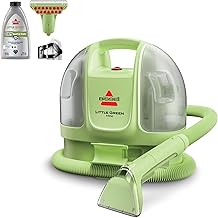
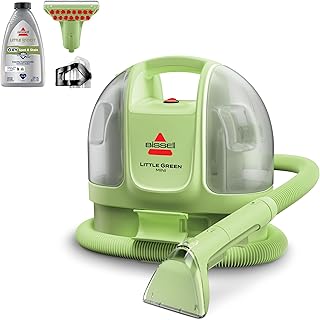
BISSELL Little Green Mini 4075
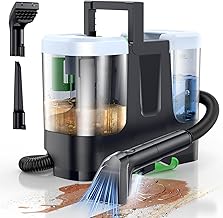
This is the machine I keep within arm’s reach of the mudroom, because the whole unit weighs less than a full paint can and the 4-inch stain tool has enough suction to pull a whole spill out of low-pile carpet in two passes. The HydroRinse tool is the reason it lasts: you clip it on, run clean water through the hose, and the funk that normally builds up inside gets flushed straight into the dirty tank.
Shark StainStriker PX221
Shark’s portable ships with both a 3.5-inch stain head and a crevice tool, which makes it the better pick if you’re cleaning car seats, sofa seams, and stair nosings rather than open carpet. The OXY and Deep Clean Pro formulas handle pet odor properly instead of masking it, and the self-clean cycle means you’re not staring down a smelly hose after a rough week.
Hoover PowerScrub Deluxe
The SpinScrub brush system is the standout here — multiple rotating brushes work fibers from several angles, which is what actually lifts traffic lanes that have gone flat and gray. HeatForce drying cuts the wait considerably, and the included pet and upholstery tools mean you’re not buying a second machine for the sectional.
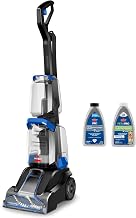
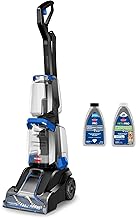
BISSELL TurboClean 3952
A straightforward upright for people who want deep cleaning without wrestling a 25-pound machine, and the included Oxy Urine Eliminator is genuinely useful if you’re dealing with repeat accidents in the same spot. Fill it, work in overlapping rows, then do a dry pass to pull the excess moisture out before you walk away.
Hoover PowerDash Pet
The lightest full-size option in this group, which makes it the right call for apartments, stairs, and anyone who avoids using a machine because it’s a pain to carry. It won’t restore a badly neglected room in one session, but for routine maintenance on pet-heavy carpet it’s fast enough that you’ll actually do it monthly.
Frequently Asked Questions
How often should I deep clean my carpet?
Every six to twelve months for general use, and every three to four months in homes with pets, kids, or heavy entry traffic. Spot-treat accidents immediately regardless of that schedule.
Can I use dish soap instead of carpet formula?
Don’t. Dish soap foams excessively, which floods the recovery float and leaves a residue that grabs dirt, so the carpet resoils within weeks. Use a low-foam extraction formula matched to your machine.
How long does carpet take to dry?
Two to six hours with good extraction and airflow. Do two or three dry suction passes after cleaning, open windows, and run a box fan across the floor to speed things along.
Do portable spot cleaners work on old set-in stains?
Sometimes, but expect to pre-treat, dwell for several minutes, and repeat the cycle. Stains that have oxidized or dyed the fiber itself won’t extract no matter how strong the suction is.
Final Thoughts
For most homes, the pairing that covers everything is the BISSELL Little Green Mini 4075 for daily accidents and the Hoover PowerScrub Deluxe for scheduled full-room work. If you’d rather own one machine and keep it simple, the BISSELL TurboClean 3952 handles both jobs well enough that you’ll never rent again.