Key takeaways
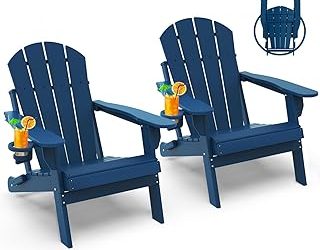
- Match the material to your climate, not the showroom: HDPE shrugs off salt air and pool chlorine without sealing or staining, aluminum is the smart pick where humidity would eat steel alive, and sling fabric dries fastest in regions that get sudden afternoon storms.
- Look at the frame, not the finish: Peel back a cushion and check whether wicker is woven over aluminum tubing or hollow steel. Aluminum won’t rust from the inside out, which is exactly how most budget sets fail — the strands look fine while the skeleton rots.
- Cushion fill density decides comfort in year three: Firm foam around 4 inches thick, backed by a poly fiber wrap, resists the flattening that turns a plush sofa into a plywood bench. Yarn-dyed fabric holds color far longer than surface-printed alternatives.
- Weigh it before you love it: Heavy HDPE and cast aluminum stay put in wind, which matters on exposed decks. Lightweight tube aluminum is easier to rearrange but may need furniture weights or covers when a front rolls through.
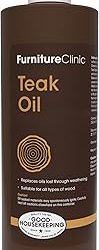
- Count the maintenance hours honestly: HDPE and aluminum need a hose and mild soap, nothing more. Teak wants annual oiling, steel wants touch-up paint, and if you know you won’t do that work, don’t buy the material that demands it.
What's inside
Spend one season with the wrong patio set and you’ll learn the hard way what a spec sheet won’t tell you. Powder coat blisters where the sun hits hardest. Untreated wood grays and splinters. Cheap resin wicker turns brittle and starts shedding strands into the flagstone. I’ve disassembled enough failed outdoor furniture in my own backyard to know that the material choice happens before the style choice, and it’s the one decision you can’t sand out or reupholster your way around later.
This guide breaks down the four materials that actually hold up outdoors — HDPE lumber, cast and extruded aluminum, high-grade PE wicker over a metal skeleton, and sling fabric — then matches each to the sets worth your money in 2026. I looked at frame construction, fastener quality, cushion fill density, and how each piece behaves after a few freeze-thaw cycles. If you want something you’ll still be sitting on in 2032, start here.
As an Amazon Associate we earn from qualifying purchases.


How to Choose a Patio Furniture Material (2026)
- Match the material to your climate, not the showroom: HDPE shrugs off salt air and pool chlorine without sealing or staining, aluminum is the smart pick where humidity would eat steel alive, and sling fabric dries fastest in regions that get sudden afternoon storms.
- Look at the frame, not the finish: Peel back a cushion and check whether wicker is woven over aluminum tubing or hollow steel. Aluminum won’t rust from the inside out, which is exactly how most budget sets fail — the strands look fine while the skeleton rots.
- Cushion fill density decides comfort in year three: Firm foam around 4 inches thick, backed by a poly fiber wrap, resists the flattening that turns a plush sofa into a plywood bench. Yarn-dyed fabric holds color far longer than surface-printed alternatives.
- Weigh it before you love it: Heavy HDPE and cast aluminum stay put in wind, which matters on exposed decks. Lightweight tube aluminum is easier to rearrange but may need furniture weights or covers when a front rolls through.
- Count the maintenance hours honestly: HDPE and aluminum need a hose and mild soap, nothing more. Teak wants annual oiling, steel wants touch-up paint, and if you know you won’t do that work, don’t buy the material that demands it.
The Best Patio Furniture Materials (2026) Reviewed
HOOOWOOO 13-Piece Wicker Sectional with Fire Pit Table
This is the clearest demonstration of what modern PE wicker does well: deep seats, swivel rockers, and an L-shaped footprint that stays weather-stable because the weave sits over an aluminum frame rather than steel. The integrated fire pit table earns its place — it anchors the layout and gives the sectional a reason to exist in October.
SERWALL 9-Piece HDPE Dining Set with Sling Chairs
HDPE and sling fabric make an almost maintenance-proof pairing, and this 84-inch table with eight chairs is the version I’d build if I had the tooling. Water passes straight through the slings, the recycled-plastic frame won’t check or splinter, and the umbrella hole means you don’t need a separate shade structure.
Aluminum 5-Piece Conversation Set with Coffee Table, Graphite
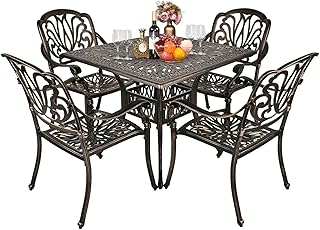
For balconies and small decks, extruded aluminum wins on strength-to-weight — you can shift the whole arrangement solo, and the graphite finish hides pollen and water spots between cleanings. Washable cushion covers are the detail that makes this practical for anyone with dogs or kids.
6-Piece HDPE Sectional Sofa Set, Brown
The deeper HDPE seat frame here is genuinely engineered, not just marketed: 3.94-inch firm foam over a 1200g 3D fill keeps the cushion crowned instead of dished. Yarn-dyed poly fabric means the brown you unbox is close to the brown you’ll have in three summers.
11-Piece Aluminum and Wicker Patio Dining Set
A rectangular aluminum table paired with rattan-look chairs gives you the seating capacity for a real dinner party without the weight penalty of cast metal. Poolside is where this combination shines — no rust, no rot, and chair frames light enough to stack when the season turns.
Frequently Asked Questions
Is HDPE actually better than teak?
For low maintenance, unquestionably. Teak develops a beautiful silver patina and lasts decades, but it needs annual oiling to keep its color and can develop surface checks. HDPE requires nothing but soap and water and won’t rot, splinter, or feed insects.
Will aluminum patio furniture blow away?
Lightweight tube aluminum can shift in strong gusts, especially unloaded chairs. Cushioned sectionals are heavy enough to stay put in normal weather, but on an exposed deck it’s worth adding furniture anchors or storing chairs when high wind is forecast.
How long does PE wicker really last?
Quality PE wicker over an aluminum frame runs eight to twelve years outdoors with basic care. The failure point is almost always UV degradation on cheap resin — look for HDPE-based weave and keep it covered during the harshest months if you can.
Do I need to store cushions indoors?
Quick-dry foam with yarn-dyed covers handles rain fine, but storing cushions over winter meaningfully extends their life. A deck box or garage shelf is the cheapest upgrade you can make to any set.
Final Thoughts
If you want the closest thing to buy-it-once, the SERWALL 9-Piece HDPE Dining Set is the most durable material combination on this list. For lounging, the HOOOWOOO 13-Piece Sectional delivers the deep-seat comfort and fire pit anchor that make a patio worth using year-round, while the Aluminum 5-Piece Conversation Set is the right call for tight balconies where weight and washability matter most.