Key takeaways
- Chemistry vs. machine: A spray-and-blot cleaner handles isolated stains and costs almost nothing per use. A hot-water extractor pulls dissolved soil and moisture back out, which is what you need for full-carpet resets, mildew smells, or pet accidents that soaked into the padding.
- Suction rating, honestly read: Kilopascal numbers tell you how aggressively the machine lifts water back out of the pile. Anything in the 18–21 kPa range leaves carpet damp-to-the-touch rather than squishy, which matters because trapped moisture under a floor mat is how you get that musty smell in July.
- Tool nose profile: Measure the gap between your seat base and the console before you buy. A wide upholstery head is useless in a footwell corner; look for a narrow 3–4 inch stain tool that fits between seat rails and along door sills.
- Dilution ratio and coverage: Concentrates that dilute 10:1 or higher turn one gallon into months of work, and you can mix a hot batch for engine bay grime and a weak batch for headliners. Ready-to-use bottles are convenient but expensive per square foot.
- Cleanup after the cleanup: Extractors leave dirty water in a hose you can’t see. Self-rinsing systems save you from the funk that develops in a neglected tank, and a two-tank design keeps clean solution from mixing with the sludge you just pulled out.
What's inside
Anyone who has pulled a floor mat out of a car after a wet winter knows the truth: automotive carpet is a sponge with a nap. Road salt crystallizes deep in the fibers, spilled coffee wicks under the seat rails, and dog hair braids itself into the pile until a shop vac just skates over the top. Household carpet shampoo makes it worse, leaving a sticky residue that grabs the next round of dirt, and the tight geometry of a footwell means most upright machines never reach the mess in the first place.
This guide is written from the garage floor, not a marketing deck. I’ve tested chemistry and extraction gear on everything from a work truck with ground-in jobsite mud to a family SUV with a juice box catastrophe under the third row. Below you’ll find the sprays worth diluting and the portable extractors worth the storage space, plus a straightforward rundown of what actually matters when you’re choosing between them.
As an Amazon Associate we earn from qualifying purchases.



How to Choose a Carpet Cleaner For Automobiles (2026)
- Chemistry vs. machine: A spray-and-blot cleaner handles isolated stains and costs almost nothing per use. A hot-water extractor pulls dissolved soil and moisture back out, which is what you need for full-carpet resets, mildew smells, or pet accidents that soaked into the padding.
- Suction rating, honestly read: Kilopascal numbers tell you how aggressively the machine lifts water back out of the pile. Anything in the 18–21 kPa range leaves carpet damp-to-the-touch rather than squishy, which matters because trapped moisture under a floor mat is how you get that musty smell in July.
- Tool nose profile: Measure the gap between your seat base and the console before you buy. A wide upholstery head is useless in a footwell corner; look for a narrow 3–4 inch stain tool that fits between seat rails and along door sills.
- Dilution ratio and coverage: Concentrates that dilute 10:1 or higher turn one gallon into months of work, and you can mix a hot batch for engine bay grime and a weak batch for headliners. Ready-to-use bottles are convenient but expensive per square foot.
- Cleanup after the cleanup: Extractors leave dirty water in a hose you can’t see. Self-rinsing systems save you from the funk that develops in a neglected tank, and a two-tank design keeps clean solution from mixing with the sludge you just pulled out.
The Best Carpet Cleaner For Automobiles (2026)s Reviewed
P & S Carpet Bomber
This citrus-based concentrate is the pro detailer’s default for a reason: it breaks down grease and body oils rather than just lifting surface dust, and at high dilution one gallon outlasts a season of weekend projects. It’s safe enough for engine bays and wheel wells, so it earns its shelf space beyond interior work.
Chemical Guys Lightning Fast Extractor
The one to keep in the trunk. Spray, work it with a drill brush or stiff hand brush, blot with a microfiber towel, and coffee or soda stains lift without a machine — genuinely impressive on light-colored seat fabric where you can watch the transfer happen.
Uwant Portable Carpet Cleaner
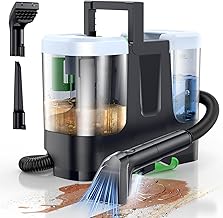
An 18 kPa two-tank extractor with a 2.4-liter capacity, sized right for someone who wants real extraction without hauling a full-size unit around. The separated clean and recovery tanks make mid-job refills quick, and the included tool set covers most interior angles.
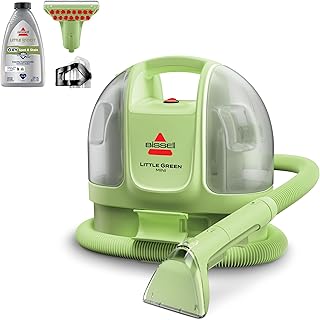
BISSELL Little Green Mini 4075
The most grab-and-go option here, and the HydroRinse self-cleaning tool solves the biggest annoyance with small extractors: gunk left in the hose. The 4-inch tough stain tool is nearly purpose-built for footwells and seat seams.
800W Portable Upholstery Cleaner
At 21 kPa with an 800W motor, this is the strongest suction on the list, and it shows in how dry the carpet feels afterward. Worth a look if you’re cleaning multiple vehicles or moving between car interiors, rugs, and upholstery in the same afternoon.
Frequently Asked Questions
Can I use household carpet shampoo in my car?
Not recommended. Residential formulas are built for thicker pile and often leave a soapy film that attracts dirt fast. Automotive-specific products rinse cleaner and are formulated not to harm the plastics and adhesives sitting right under the carpet.
How long does car carpet take to dry?
With good extraction, four to eight hours with the doors open. Park in the sun, aim a box fan into the cabin, and pull the floor mats out to dry separately — they hold the most water.
Do I need a machine, or is spray enough?
Spray handles fresh spills and small spots. If odor is the problem, you need extraction, because smell lives in the padding beneath the carpet where blotting can’t reach.
What about pet hair woven into the carpet?
Hair needs mechanical agitation before any wet work. A rubber pet brush or a stiff-bristle drill attachment pulls it up so your vacuum can grab it, otherwise you’ll just cement it in place.
Final Thoughts
For most people, the smart combination is P & S Carpet Bomber for chemistry and either the BISSELL Little Green Mini for portability or the Uwant Carpet Cleaner for serious two-tank extraction. Keep a bottle of Chemical Guys Lightning Fast in the door pocket for whatever happens on the way home.