Key takeaways
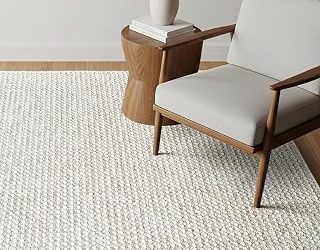
- Pile height and density: Press your thumb into the pile and release. Short, tightly packed loops or a low cut pile spring back; loose, tall fibers stay dented. For hallways and entries, stay under about half an inch. Save plush options like the SAFAVIEH Hudson Shag for rooms where foot traffic slows down.
- Fiber choice: Polypropylene and polyester resist stains and UV fading, clean up with soap and water, and cost far less to replace. Wool wears beautifully but sheds early and needs professional cleaning after big spills.
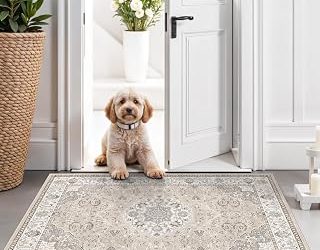
- Pattern camouflage: Busy, tonal designs are the cheapest maintenance upgrade you can buy. Distressed medallions, trellis motifs, and stripe repeats break up crumbs and paw prints that a solid cream field puts on display.
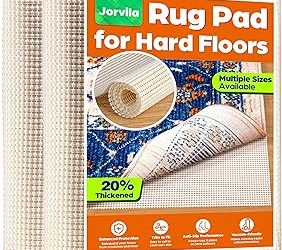
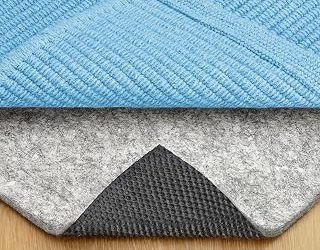
- Backing and grip: Check whether the rug ships with a non-slip back or expects a separate pad. Either way, a felt-and-rubber pad underneath absorbs impact, stops the edges from curling, and adds years of life. Skip cheap PVC mesh on hardwood; it can haze the finish.
- Size and coverage: Measure the traffic lane, not the room. Runners and entry rugs should extend past the door swing; living room rugs should sit under the front legs of every seat so nothing catches an edge.
What's inside
Walk any hallway, entry, or the strip of floor between the sofa and the kitchen, and you can read the wear pattern like tree rings. Pile crushes flat, fibers gray out from grit, and the whole rug starts looking tired while the rest of the room looks fine. Most rugs don’t fail because they’re cheap. They fail because they were built for a bedroom and got drafted into a doorway.
I’ve pulled up, flipped, patched, and re-padded enough rugs to know what actually survives daily boots, dog nails, and rolling chairs. This guide breaks down the construction details that matter in traffic lanes, then walks through six rugs that hold their shape and hide dirt well, from a 9′ x 12′ living room anchor to a washable 3′ x 5′ you can toss in the machine when spring mud season hits.
As an Amazon Associate we earn from qualifying purchases.


How to Choose a Rug For High Traffic Area (2026)
- Pile height and density: Press your thumb into the pile and release. Short, tightly packed loops or a low cut pile spring back; loose, tall fibers stay dented. For hallways and entries, stay under about half an inch. Save plush options like the SAFAVIEH Hudson Shag for rooms where foot traffic slows down.
- Fiber choice: Polypropylene and polyester resist stains and UV fading, clean up with soap and water, and cost far less to replace. Wool wears beautifully but sheds early and needs professional cleaning after big spills.
- Pattern camouflage: Busy, tonal designs are the cheapest maintenance upgrade you can buy. Distressed medallions, trellis motifs, and stripe repeats break up crumbs and paw prints that a solid cream field puts on display.
- Backing and grip: Check whether the rug ships with a non-slip back or expects a separate pad. Either way, a felt-and-rubber pad underneath absorbs impact, stops the edges from curling, and adds years of life. Skip cheap PVC mesh on hardwood; it can haze the finish.
- Size and coverage: Measure the traffic lane, not the room. Runners and entry rugs should extend past the door swing; living room rugs should sit under the front legs of every seat so nothing catches an edge.
The Best Rugs For High Traffic Areas (2026) Reviewed
SAFAVIEH Brentwood 9′ x 12′ Navy & Light Grey
This is the one I’d put in an open-plan living room where the sofa, kitchen, and stairs all converge. The flat, non-shedding construction takes a vacuum beater bar without fuzzing, and the distressed navy medallion swallows lint and pet hair better than almost anything at this size.
Rugshop Contemporary Stripe Lines 7’10” x 10′ Cream
Clean linear stripes give a modern room some structure without shouting, and the low profile means dining chairs slide instead of snagging. Cream is a commitment in a traffic zone, so pair it with a dense pad and plan on a quick spot-clean routine.
JONATHAN Y Boho Vintage Diamond 8′ x 10′ Cream/Gray
The Moroccan diamond lattice is genuinely forgiving underfoot, and this one holds up to dog claws without pulling loops. Easy-clean synthetic fibers mean you can hit a muddy spot with a damp cloth and mild soap and walk away.
Gertmenian Romi Indoor Boho 4′ x 6′ Light Blue
A smart pick for a foyer or the landing spot at the bottom of the stairs, where you want color without committing to a full room-sized rug. Stain-resistant and non-shedding, it takes grit well and is light enough to shake out over a railing.
3′ x 5′ High-Low Pile Washable Entryway Rug, Beige
The high-low texture traps grit down in the low pile so it doesn’t grind against your feet, and the whole thing folds up and goes in the washer. If you have a mudroom, a back door, or a kitchen sink zone, this is the rug you replace least often because you can actually clean it.
Frequently Asked Questions
Do I really need a rug pad?
Yes, even under a non-slip rug. A quarter-inch felt-rubber pad cushions each footfall, which is what prevents pile crush, and it keeps corners from lifting into trip hazards.
How often should I vacuum a traffic rug?
Twice a week in the lane, once elsewhere. Embedded grit acts like sandpaper on fibers, so removing it early does more for longevity than any deep cleaning later.
Are washable rugs durable enough for daily use?
In smaller sizes, absolutely. Washable rugs are thinner by design, so use them at entries and kitchens where cleanability beats plushness, and skip them for large living room footprints.
Which colors hide dirt best?
Mid-tone grays, navies, and multi-tonal patterns. Pure white shows everything, and solid dark charcoal shows dust and lint just as clearly.
Final Thoughts
For a big room that takes constant traffic, the SAFAVIEH Brentwood 9′ x 12′ is the safest bet on durability and dirt camouflage. The JONATHAN Y Boho Vintage Diamond is the better call if you want pattern with pet-friendly cleanup, and the washable 3′ x 5′ high-low entry rug earns its spot at any door where mud is part of the routine.