Key takeaways
- Machine-washable flatweaves — thin, low-profile pieces like the CHAMPLANT washable vintage rug are designed to go in a home machine on cold, gentle, then air dry. Easiest cleaning path there is.
- Latex or glued backing — common on tufted rugs. Keep moisture light; saturation delaminates the adhesive and the rug starts shedding.
- Jute or cotton foundation — browns and shrinks when soaked. Damp extraction only, never a hose-down.
- Wool — pH sensitive. Use a wool-safe or neutral solution and skip anything with oxygen bleach.
What's inside
Every rug on your floor is doing quiet mechanical work. Foot traffic drives sand, tracked-in salt, and pet dander down into the pile, where those particles sit against the fiber and act like sandpaper on every step. Long before a rug looks dirty, it starts looking tired: matted traffic lanes, a chalky cast to the color, a musty note when the humidity climbs. Most of that damage is abrasion, not staining, which is why the way you clean matters more than how often you do it.
This guide walks through the process the way a hands-on person would actually tackle it on a Saturday: pull the dry soil out first, identify what the rug is built from before a drop of water touches it, treat spots individually, then extract with the right machine and dry it fast enough to avoid odor. You’ll also see where a spot cleaner beats a full upright, when a washable rug simply goes in the laundry, and the small habits that stretch years out of a rug you like.
Our Recommended Picks
As an Amazon Associate we earn from qualifying purchases.




Step One: Get the Dry Soil Out Completely
Water turns loose grit into mud that bonds to the fiber, so dry removal comes first and it takes longer than you think. Vacuum both faces of the rug: flip it over, run the vacuum across the backing to shake soil loose, then flip it back and vacuum the pile in two directions, north-south and east-west. Move slowly on the return stroke, that’s when the airflow does most of the lifting. For a small or medium rug, the old-fashioned method still wins: drape it over a railing and beat the back with a broom handle. You will be unpleasantly impressed by the cloud that comes out.
Read the Construction Before You Wet Anything
The backing dictates your method more than the face fiber does. A quick check:
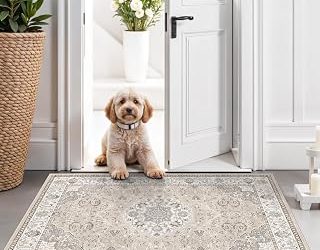
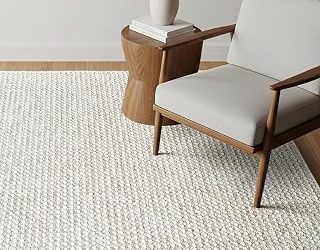
- Machine-washable flatweaves — thin, low-profile pieces like the CHAMPLANT washable vintage rug are designed to go in a home machine on cold, gentle, then air dry. Easiest cleaning path there is.
- Latex or glued backing — common on tufted rugs. Keep moisture light; saturation delaminates the adhesive and the rug starts shedding.
- Jute or cotton foundation — browns and shrinks when soaked. Damp extraction only, never a hose-down.
- Wool — pH sensitive. Use a wool-safe or neutral solution and skip anything with oxygen bleach.
When you’re unsure, wet a hidden corner with your cleaning solution, blot with a white cloth, and wait ten minutes. Color transfer or a stiffening backing means stop.
Spot-Treat Individually, Then Extract
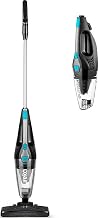
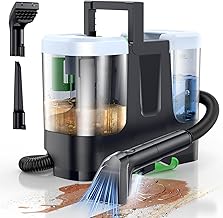
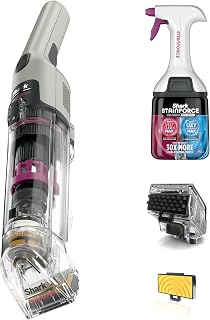
Spots have different chemistry than general soil, so hitting them with a whole-rug pass usually just spreads them. Work each one first with a dedicated tool. A corded portable like the Shark StainStriker PX221 gives you real extraction pressure through a narrow crevice tool, which is what breaks up set-in pet accidents. The cordless Shark StainForce HX095 trades a little power for the ability to chase a mess across the house or out to the car without hunting for an outlet. If you deal with recurring accidents, the H6 spot cleaner’s 18Kpa suction and dual tanks keep dirty water separated so you’re not re-depositing what you just pulled up. Blot inward toward the center of the spot, never outward, and resist scrubbing — agitation fuzzes the fiber permanently.
Deep Cleaning: Machine Extraction Done Right
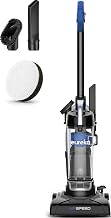
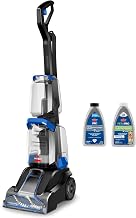
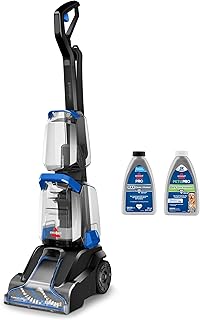
Once spots are handled, a full extraction pass restores the whole field. For larger area rugs, an upright such as the BISSELL TurboClean 3952 covers ground quickly and its OXY formula handles the general dinginess that builds in walkways. In tighter spaces or on stairs and runners, the Hoover PowerDash Pet is genuinely easier to carry, and its HeatForce airflow shortens drying time, which matters more than most people realize. Whichever machine you use, follow one rule: after your solution pass, make two or three dry passes with no trigger. Leftover moisture and detergent residue are the two things that cause rugs to re-soil fast and smell later.
Drying Is Half the Job
A rug that stays damp past 24 hours can grow mildew in the backing and hold that odor indefinitely. Lift it off the floor on blocks or sawhorses so air moves underneath, point a box fan across the surface, and run a dehumidifier if the room is humid. Never dry a rug in direct sun for hours; UV fades dyes unevenly and you’ll see the line. Put the furniture back only when the backing feels dry to the knuckle, not just the pile.
Tips
- Rotate the rug 180 degrees twice a year so wear and sun exposure spread evenly across the pile.
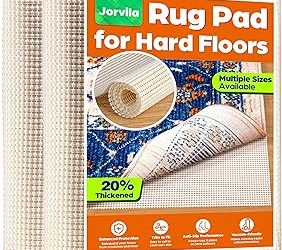
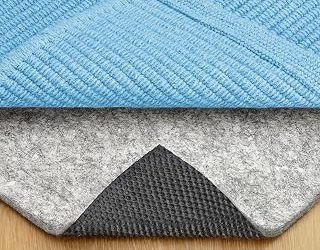
- Use a quality rug pad. It cuts abrasion, improves vacuum airflow, and keeps the rug from creeping.
- Keep a plain white cotton cloth and a spray bottle of cool water in the closet. Fresh spills come out with water alone about half the time.
- Dose cleaning solution at or below the recommended amount. Extra detergent isn’t extra cleaning, it’s residue.
Frequently Asked Questions
How often should I deep clean an area rug?
Once a year for most homes, every six months in high-traffic entries or with pets and kids. Vacuuming twice weekly does far more for longevity than frequent wet cleaning.
Can I pressure-wash a rug outside?
Only on solution-dyed synthetic outdoor rugs, and even then keep the nozzle wide and well back. Pressure separates backings and blows out the pile on indoor rugs.
Why did an old stain come back after cleaning?
That’s wicking. Residue deep in the backing travels up as the rug dries. Re-extract the area with clear water and dry it under a fan to break the cycle.
Do I need a full-size machine, or is a spot cleaner enough?
If your rugs are under about 5×7 and your issues are localized, a portable spot cleaner covers it. Larger rugs and whole-room dinginess call for an upright extractor.
Conclusion
The best way to clean an area rug isn’t a single product, it’s a sequence: thorough dry removal, an honest look at how the rug is built, targeted spot work, controlled extraction, and fast drying. Get that order right with modest gear and you’ll keep colors sharp and pile upright for years, which beats replacing a rug you were happy with in the first place.