Key takeaways
- Roller architecture: Fixed-point rollers move on a rigid carriage and cost far less to build than 3D or 4D mechanisms that adjust protrusion depth. A 14-roller fixed setup covers more contact area, while an SL-track follows the lumbar-to-glute curve. Decide which matters more for your specific pain before chasing raw roller counts.
- Recline drive and clearance: Zero-gravity positioning depends on a linear actuator under the seat pan. Cheaper units are louder and slower, but the real constraint is space, so measure your wall gap. Slide-forward designs need only a few inches; hinge-back models can demand two feet or more.
- Serviceable panels: Look for chairs where the side skirts and back panel attach with visible screws rather than adhesive or plastic clips. When a foot airbag hose splits in year three, screw-in access turns a $400 service call into a twenty-minute repair with a hex key.
- Heat element placement: Most budget chairs place carbon-fiber heat pads at the lumbar only. If you want calf or seat warming, verify it explicitly, because product photos routinely show a heat glow that the actual wiring doesn’t support.
- Controller failure mode: Touchscreen tablets and app-based control both fail as single points of failure. Chairs with hard buttons on the armrest or a physical pause switch keep working when the interface dies, which is the most common budget-tier warranty claim I see.
What's inside
Spend an afternoon shopping for a massage chair and you’ll notice the same pattern: the models under a grand read like spec sheets from a much pricier tier, while the $5,000 flagships describe the exact same features in fewer words. The gap isn’t marketing fluff. It’s in the track geometry, the roller mounts, the frame welds, and the quality of the actuator that drives the recline. Knowing where manufacturers cut corners to hit a budget price is the difference between a chair you use daily and a leather-wrapped clothes rack in the corner of your den.
I’ve torn down enough recliners to know which compromises actually matter. This guide looks at the current crop of affordable full-body chairs, explains the mechanical trade-offs behind the feature lists, and flags what you’ll want to check the moment the crate hits your garage floor. Assembly notes, clearance requirements, and long-term serviceability all get covered, because a budget chair that you can’t open up and fix is a budget chair with an expiration date.
As an Amazon Associate we earn from qualifying purchases.


How to Choose a Low Cost Massage Chair (2026)
- Roller architecture: Fixed-point rollers move on a rigid carriage and cost far less to build than 3D or 4D mechanisms that adjust protrusion depth. A 14-roller fixed setup covers more contact area, while an SL-track follows the lumbar-to-glute curve. Decide which matters more for your specific pain before chasing raw roller counts.
- Recline drive and clearance: Zero-gravity positioning depends on a linear actuator under the seat pan. Cheaper units are louder and slower, but the real constraint is space, so measure your wall gap. Slide-forward designs need only a few inches; hinge-back models can demand two feet or more.
- Serviceable panels: Look for chairs where the side skirts and back panel attach with visible screws rather than adhesive or plastic clips. When a foot airbag hose splits in year three, screw-in access turns a $400 service call into a twenty-minute repair with a hex key.
- Heat element placement: Most budget chairs place carbon-fiber heat pads at the lumbar only. If you want calf or seat warming, verify it explicitly, because product photos routinely show a heat glow that the actual wiring doesn’t support.
- Controller failure mode: Touchscreen tablets and app-based control both fail as single points of failure. Chairs with hard buttons on the armrest or a physical pause switch keep working when the interface dies, which is the most common budget-tier warranty claim I see.
The Best Low Cost Massage Chair (2026)s Reviewed
FURNIMAT Full Body Zero Gravity Recliner
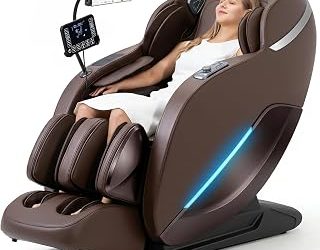
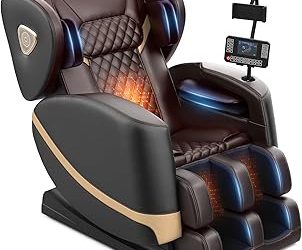
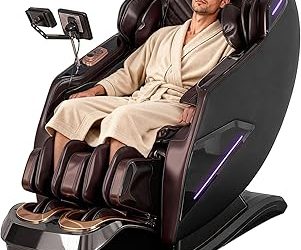
Fourteen shiatsu rollers paired with ten airbags gives this one unusually broad coverage for its bracket, and the foot massage module is a genuine rolling mechanism rather than vibration alone. Two-piece shipping means you’ll seat the backrest onto the base yourself; bring a second set of hands and check the harness routing before you tighten the bolts.
2026 SL Track & Shiatsu Recliner
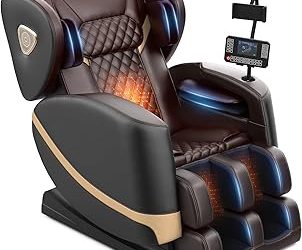
The SL track is the headline here, tracing the spine down through the glutes instead of stopping at the tailbone like an S-track does. Body scan calibration works well on average frames, though shorter users should expect to nudge the shoulder position manually after the first pass.
COMFIER Shiatsu Neck & Back Massager Pad
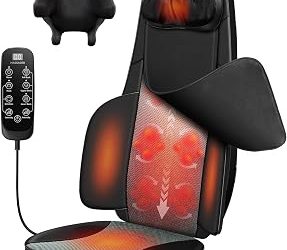
Not a chair at all, and that’s the point: it straps to whatever recliner you already own, which sidesteps the freight, the assembly, and the footprint entirely. Rolling plus compression across the full back at a fraction of the cost makes this the smart first move if you’re still diagnosing what your back actually responds to.
Zero Gravity Chair with 10 Fix Rollers
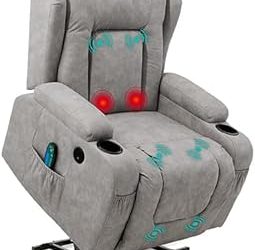
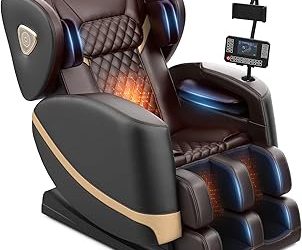
Ten fixed rollers, calf and foot coverage, and heat in a package that keeps its cable runs tidy and accessible behind the side panels. The touchscreen is responsive but I’d still prefer a physical backup control at this price point.
Real Relax Favor-06
A 3D SL-track at this tier is rare, and 3D means the rollers adjust how far they push into your back rather than just where they travel. The phone-based control and child lock are practical touches, and Real Relax has a longer support track record than most budget brands, which matters when you need a replacement part in year four.
Frequently Asked Questions
How much assembly should I expect?
Most budget full-body chairs ship in two or three boxes and need 30 to 60 minutes. The backrest bolts to the base and a wiring harness plugs in behind the seat. Seat the connector fully before closing the panel; a partial connection is the number one cause of dead airbags on arrival.
Is a fixed roller worse than 3D?
Not universally. Fixed rollers deliver consistent, predictable pressure and have fewer moving parts to fail. 3D adjusts depth for a more tailored feel, but adds cost and complexity. For general tension relief, a well-tuned fixed system does the job.
Will a budget chair fit through a standard doorway?
Shipped in pieces, yes. The base is typically under 30 inches wide. Measure your stairwell turns if you’re going to a second floor, since the base section is the heavy, awkward piece at 90 to 130 pounds.
How long do these actually last?
Three to six years of regular use is realistic. Airbag hoses and the recline actuator fail first. Chairs with accessible panels and available replacement parts stretch well past that with basic maintenance.
Final Thoughts
For the best mechanical value, the FURNIMAT delivers the widest roller and airbag coverage for the money, while the Real Relax Favor-06 earns its keep with a true 3D SL-track and the parts support to back it up. If you’d rather test the waters before committing floor space, start with the COMFIER pad on a recliner you already trust, then upgrade once you know exactly what your back is asking for.