Key takeaways
- Track length and shape: An SL track follows the natural S-curve of your spine and continues under the glutes, which is where sciatic referral pain often originates. Look for 50 inches or longer; shorter S-tracks stop at the tailbone and leave the lower back undertreated.
- Roller dimension: 2D rollers move up and vertically. 3D adds depth. 4D varies both depth and rhythm, which lets the chair hold pressure on a tight erector spinae the way a thumb would. For chronic back pain, 3D is the practical minimum and 4D is worth the premium.
- Body scan accuracy: A chair that maps your shoulder height and spine length places rollers where your vertebrae actually are. Without it, a tall user gets neck massage on their shoulders and lumbar work on their ribs.
- Lumbar heat placement: Generic seat heating is pleasant. Targeted lumbar heating raises tissue temperature before the rollers engage, which measurably improves how much the muscle releases. Check that heat elements sit in the low back, not just the pad.
- Recline geometry and footprint: True zero gravity puts your knees above your heart and takes compressive load off the discs. Measure your wall clearance first — many chairs need 20 inches behind them unless they use a wall-hugging slide mechanism.
What's inside
Anyone who has spent a weekend hunched over a table saw or crawling around a subfloor knows the particular ache that settles in around the lumbar spine by Sunday night. Heat pads help. Foam rollers help more. But a proper massage chair does something neither can manage alone: it works the paraspinal muscles under sustained pressure while your spine is decompressed and unloaded. The trouble is that shopping for one feels like reading a spec sheet for a spaceship — 4D rollers, SL tracks, body scanning, air cells, zero gravity. Half those terms matter enormously for back pain. The other half are marketing.
I have tested, assembled, and in a couple of cases partially disassembled enough of these to know which features earn their keep. This guide breaks down what actually targets back pain, what track geometry means for your lumbar curve, and which models deliver on the promise at each price tier. There is also an honest look at whether you need a full chair at all, or whether a well-chosen pad on your existing recliner gets you eighty percent of the benefit.
As an Amazon Associate we earn from qualifying purchases.




How to Choose a/an Massage Chair For Back Pain (2026)
- Track length and shape: An SL track follows the natural S-curve of your spine and continues under the glutes, which is where sciatic referral pain often originates. Look for 50 inches or longer; shorter S-tracks stop at the tailbone and leave the lower back undertreated.
- Roller dimension: 2D rollers move up and vertically. 3D adds depth. 4D varies both depth and rhythm, which lets the chair hold pressure on a tight erector spinae the way a thumb would. For chronic back pain, 3D is the practical minimum and 4D is worth the premium.
- Body scan accuracy: A chair that maps your shoulder height and spine length places rollers where your vertebrae actually are. Without it, a tall user gets neck massage on their shoulders and lumbar work on their ribs.
- Lumbar heat placement: Generic seat heating is pleasant. Targeted lumbar heating raises tissue temperature before the rollers engage, which measurably improves how much the muscle releases. Check that heat elements sit in the low back, not just the pad.
- Recline geometry and footprint: True zero gravity puts your knees above your heart and takes compressive load off the discs. Measure your wall clearance first — many chairs need 20 inches behind them unless they use a wall-hugging slide mechanism.
The Best Massage Chair For Back Pain (2026)s Reviewed
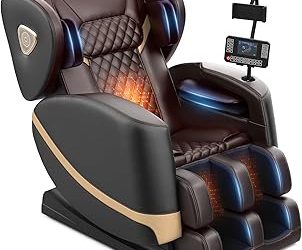
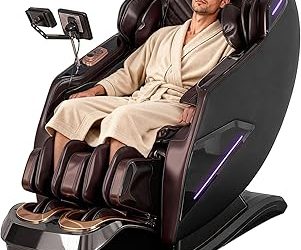
FURNIMAT Full Body Zero Gravity Recliner (2026)
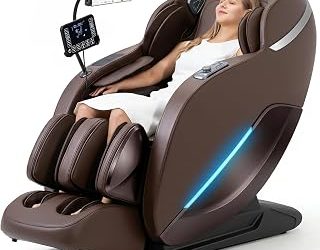
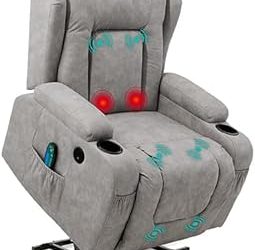
Fourteen shiatsu rollers paired with ten airbags gives this one unusually even coverage from cervical spine down through the calves, and the heated lumbar zone genuinely softens tissue before the deep work starts. The touchscreen keeps the five auto modes accessible without a manual, which matters more than it sounds when your back is already seized up.
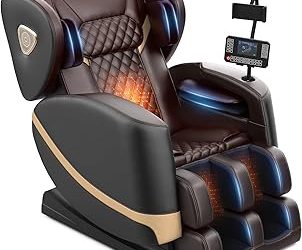
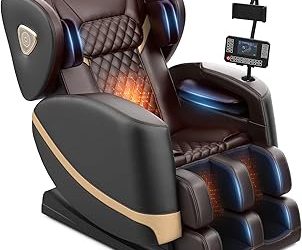
4D 53″ SL Track Recliner
This is the one I would point a serious back pain sufferer toward: 4D rollers with variable depth, a 53-inch SL track that reaches the glutes, and body scanning that actually adjusts to your frame. The deep stretch program is the standout, elongating the spine in a way that mimics traction therapy.
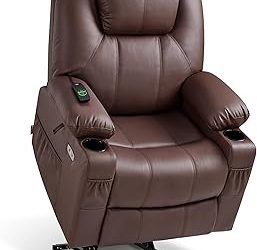
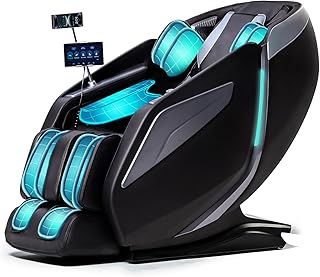
MT398 4D 55″ SL Track
At 55 inches, the track here is among the longest available, and the combination of lumbar plus calf heat addresses the full posterior chain rather than one segment of it. Voice control sounds gimmicky until you are reclined at zero gravity and do not want to sit forward to reach a remote.
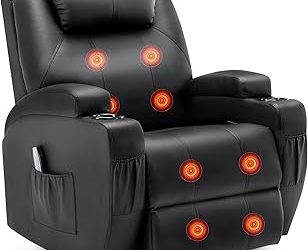
Real Relax Dual-Core S Track Recliner
The dual-core motor setup lets the neck and back rollers run independently, which helps if your pain pattern is asymmetric — common in anyone who carries tools on one side. It undercuts the 4D models substantially while still delivering credible shiatsu pressure.
COMFIER Shiatsu Neck and Back Massager Pad
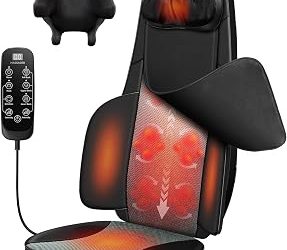
Strap this to a chair you already own and you get adjustable-height neck rollers, spot-targeting for a specific trigger point, and three levels of compression for a fraction of the cost and none of the footprint. It cannot decompress your spine, but for desk-related upper back tension it is remarkably effective.
Frequently Asked Questions
Can a massage chair make back pain worse?
It can if you start too aggressively. Begin with low intensity for ten minutes, and skip the chair entirely if you have an acute disc herniation, spinal fracture, or recent surgery until a physician clears you.
How much assembly should I expect?
Most full-size chairs ship 90 to 95 percent assembled — usually just the armrests, footrest, and a few cable connections. Budget two people and half an hour, mainly because the boxes run 200 pounds or more.
Is 4D actually worth the extra money?
For chronic back pain, yes. The ability to hold and vary pressure at depth is the difference between a pleasant rub and something that reaches the deep stabilizing muscles where tension accumulates.
How often should I use it?
Fifteen to twenty minutes, once or twice daily, works well for most people. Longer sessions increase the risk of tissue soreness without adding much benefit.
Final Thoughts
If your back pain is chronic and you want the most therapeutic capability available, the 4D 53″ SL Track Recliner and the MT398 4D are the two chairs worth stretching your budget for — both bring genuine 4D depth control and track lengths that reach the lumbar and glute region where most pain actually lives. If you are working with a tighter budget or a small room, the COMFIER pad remains the smartest low-commitment entry point.