Key takeaways
- pH range: Aim for 5 to 8. Anything above roughly pH 9 attacks the keratin in wool fiber, causing yellowing, harshness, and permanent loss of loft. If the bottle won’t tell you the pH, treat that as a red flag.
- Lanolin content: Sheepskin and undyed wool rely on natural lanolin for softness and water resistance. Washes that replenish it keep the pile supple instead of leaving it feeling like straw after the third cleaning.
- No optical brighteners or oxygen bleach: These are designed for cotton and synthetics. On wool they cause uneven bluing under daylight and can strip vegetable dyes in older pieces.
- Wet versus dry method: Wool holds enormous amounts of water and dries slowly. If your rug has a cotton or jute foundation, or a felted backing, a dry powder or low-moisture foam avoids brown-out, mildew, and shrinkage at the seams.
- Colorfastness test first: Dampen a white cloth with the diluted cleaner and press it into a hidden corner for 30 seconds. Any color transfer means stop, full stop. Some antique and tribal rugs bleed no matter how gentle the product is.
What's inside
Wool is a protein fiber, which means it behaves more like your hair than like nylon carpet. Hit it with a high-alkaline all-purpose cleaner and you get the same result you’d get from bleaching a sweater: the scales on each fiber swell and lock together, the yarn goes crunchy, and the dye starts wandering. I learned this the hard way on a hand-knotted runner years ago, scrubbing at a coffee ring with whatever was under the sink. The stain lifted. So did the sheen, permanently, in a patch about the size of a dinner plate.
This guide covers what actually works on wool: pH-neutral washes for hand-cleaning sheepskin and small flatweaves, dedicated oriental rug shampoos for full extraction jobs, dry powders when you can’t risk saturating a jute or cotton foundation, and spot treatments for the inevitable red wine emergency. I’ve noted where each one earns its place and where it doesn’t, plus the label checks worth doing before anything touches your rug.
As an Amazon Associate we earn from qualifying purchases.




How to Choose a Cleaner For Wool Rug (2026)
- pH range: Aim for 5 to 8. Anything above roughly pH 9 attacks the keratin in wool fiber, causing yellowing, harshness, and permanent loss of loft. If the bottle won’t tell you the pH, treat that as a red flag.
- Lanolin content: Sheepskin and undyed wool rely on natural lanolin for softness and water resistance. Washes that replenish it keep the pile supple instead of leaving it feeling like straw after the third cleaning.
- No optical brighteners or oxygen bleach: These are designed for cotton and synthetics. On wool they cause uneven bluing under daylight and can strip vegetable dyes in older pieces.
- Wet versus dry method: Wool holds enormous amounts of water and dries slowly. If your rug has a cotton or jute foundation, or a felted backing, a dry powder or low-moisture foam avoids brown-out, mildew, and shrinkage at the seams.
- Colorfastness test first: Dampen a white cloth with the diluted cleaner and press it into a hidden corner for 30 seconds. Any color transfer means stop, full stop. Some antique and tribal rugs bleed no matter how gentle the product is.
The Best Cleaner For Wool Rug (2026)s Reviewed
Wool Wash Detergent with Lanolin
This is my default for hand-washing sheepskin, small kilims, and anything cashmere or merino that ends up in the laundry basket by mistake. The pH-neutral formula with added lanolin cleans without stripping the fiber’s natural oils, and at 16 ounces it dilutes far enough to handle a season’s worth of hand washing.
Chemspec Oriental Rug Shampoo
If you own a portable extractor or you’re doing a proper wash-and-rinse on a wool area rug, this is the professional-grade choice — it’s formulated for wool and silk specifically, with controlled pH and low residue so the pile doesn’t re-soil in a month. The gallon size makes sense for a whole-house job or multiple rugs; it’s overkill for a single 3×5.
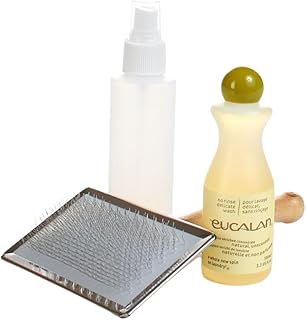
Eucalan Sheepskin Wash and Brush Set
The no-rinse formula is the real appeal here: you agitate, blot, and let it dry, which means less handling and less felting risk on delicate sheepskin. Pairing it with the included brush matters more than it sounds — restoring the nap while the pelt is still slightly damp is what keeps it fluffy rather than matted.
Bissell Woolite Advantage Heavy Traffic Carpet Foam
Aerosol foam gives you moisture control that a spray bottle can’t match, which is exactly what you want on wool traffic lanes and stair treads. Work it in with a soft brush, let it dwell, then vacuum thoroughly — the four-pack means you’re not rationing product on a hallway runner.
Capture Carpet & Rug Dry Cleaner Powder
My pick when water isn’t an option: sprinkle, brush in, wait, vacuum out. It’s genuinely effective on pet odor and general dinginess, and because nothing gets saturated, there’s zero risk of foundation shrinkage or brown-out on a wool rug with cotton warps.
Frequently Asked Questions
Can I use regular carpet cleaner on a wool rug?
Usually not. Most supermarket carpet cleaners run alkaline, often pH 10 or higher, because that’s what cuts grease on synthetic fiber. On wool that means harshness, yellowing, and dye migration. Stick to products that name wool on the label.
Is a steam cleaner safe on wool?
True steam is too hot — heat plus moisture plus agitation is the recipe for felting. A cold-water extractor at low pressure is fine; a hot steam machine is not.
How do I handle a fresh spill?
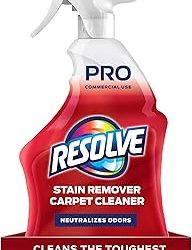
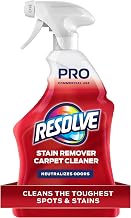
Blot with white cotton, never rub, working from the outside inward. Then treat with a spot cleaner like Resolve Professional Strength on a cloth rather than sprayed directly, and blot again with clean water to pull residue out.
How often should a wool rug be deep cleaned?
Every 18 to 24 months for normal use, more often with pets or in entryways. Regular vacuuming without a beater bar does most of the heavy lifting between cleanings.
Final Thoughts
For most people, the Wool Wash with Lanolin covers everyday hand cleaning and Capture’s dry powder handles refreshes without any moisture risk. If you’re tackling a full extraction on a larger wool or oriental rug, step up to Chemspec Oriental Rug Shampoo and keep Resolve on hand for spills.