Key takeaways
- Post thickness and gauge: Diameter is the headline, but wall thickness does the work. A 4.6″ or 4.7″ post with genuinely thick steel or solid cedar resists twisting far better than a wide, hollow tube that dents under thumb pressure. Squeeze it in the store if you can.
- Double-roof venting: A vented upper canopy lets pressure escape instead of building lift underneath. Single-layer tops act like sails, and that upward force is what shears bolts and lifts footplates off the pad. This single feature separates the survivors from the casualties.
- Anchoring provisions: Look for footplates with multiple bolt holes sized for real hardware. Concrete pads want 3/8″ wedge anchors; decks want lag screws into joists, not decking boards; grass needs 18″ auger or screw anchors, plus guy lines on temporary setups.
- Fastener quality: Stainless or hot-dip galvanized bolts with nylon-insert lock nuts stay put. Plain zinc machine screws with flat washers loosen from vibration. Budget an hour to swap the weak ones and thread-lock the rest during assembly.
- Fabric weight and drainage: Netting and privacy panels should come down fast when weather turns. Look for 260 GSM textilene or better, and integrated gutters that route water off instead of pooling into a canopy-splitting sag.
What's inside
Anyone who has watched a gazebo cartwheel across the lawn during a squall knows the hard truth: most backyard shelters are engineered for calm afternoons, not gusts. The failure points are predictable once you’ve assembled a few yourself. Thin-gauge legs oil-can and crease. Single-layer canopies balloon like a spinnaker because the wind has nowhere to go. Powder-coated hardware backs out after a season of vibration, and by the time you notice, a corner bracket is dangling and the whole frame has gone out of square. Staking is usually an afterthought too, with four toy-sized pegs that pull straight out of soft soil at 25 mph.
This guide takes the maker’s view. I looked at post dimensions and wall thickness rather than marketing adjectives, at whether the roof vents pressure or traps it, at how the footplates want to be anchored, and at how much of a fight assembly puts up when you’re working solo. Below you’ll find six shelters that hold their shape when the trees start bending, spanning quick pop-up canopies to permanent cedar-and-steel structures, plus the specs worth checking before you buy and the field fixes that buy you real margin in a blow.
As an Amazon Associate we earn from qualifying purchases.


How to Choose a Gazebo For High Winds (2026)
- Post thickness and gauge: Diameter is the headline, but wall thickness does the work. A 4.6″ or 4.7″ post with genuinely thick steel or solid cedar resists twisting far better than a wide, hollow tube that dents under thumb pressure. Squeeze it in the store if you can.
- Double-roof venting: A vented upper canopy lets pressure escape instead of building lift underneath. Single-layer tops act like sails, and that upward force is what shears bolts and lifts footplates off the pad. This single feature separates the survivors from the casualties.
- Anchoring provisions: Look for footplates with multiple bolt holes sized for real hardware. Concrete pads want 3/8″ wedge anchors; decks want lag screws into joists, not decking boards; grass needs 18″ auger or screw anchors, plus guy lines on temporary setups.
- Fastener quality: Stainless or hot-dip galvanized bolts with nylon-insert lock nuts stay put. Plain zinc machine screws with flat washers loosen from vibration. Budget an hour to swap the weak ones and thread-lock the rest during assembly.
- Fabric weight and drainage: Netting and privacy panels should come down fast when weather turns. Look for 260 GSM textilene or better, and integrated gutters that route water off instead of pooling into a canopy-splitting sag.
The Best Gazebo For High Winds (2026)s Reviewed
Modern Shade Wood Grill Gazebo 12′ x 16′
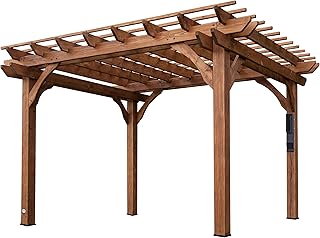
Sloped galvanized steel over 4.6″ cedar posts is the closest thing to a permanent outbuilding on this list, and the mass alone gives it an advantage nothing lighter can match. Plan for a poured pad, two people, and a full weekend, but treat the timber and it will outlast several fabric-topped competitors.
PURPLE LEAF Outdoor Gazebo 12′ x 14′ Double Roof
The 4.7″ posts, built-in drainage channels, and vented double top make this the best-balanced pick for genuinely windy sites without pouring footings. Anchor hardware isn’t included, so buy proper wedge anchors or ground screws before assembly day and skip the disappointment.
Aoxun 12×10 Metal Frame Canopy
A heavy-duty steel frame with double roofs at a mid-range price, and the netting plus privacy screen combination earns its keep on exposed patios. The stock stakes are the weak link, so upgrade to auger anchors and add guy lines at each corner.
10’x12′ Hardtop Gazebo, Galvanized Steel Double Roof
A rigid metal top removes the flapping and stretching that eventually kills soft canopies, which makes this the low-maintenance choice for windy, snowy climates. Bolt every connection with lock nuts and check torque once each spring.
COOS BAY 11×11 Pop Up Gazebo
This is the portable option, and portable means you take responsibility for anchoring. UPF 50+ coverage across 121 square feet sets up in minutes for gatherings, but stake it properly, guy all four legs, and take it down before a storm arrives.
Frequently Asked Questions
What wind speed can a gazebo actually handle?
Properly anchored hardtop and heavy steel models generally tolerate sustained winds in the 30 to 50 mph range, while pop-ups start struggling around 20 mph. Anchoring matters more than the frame itself: an unanchored gazebo becomes a projectile long before its structure fails.
Should I take the canopy off during storms?
Yes, for any soft-top model. Removing the fabric eliminates the sail effect and lets wind pass through the frame, which is a ten-minute job that prevents a total loss.
Can I install one on a wooden deck?
You can, but lag directly into joists or blocking, never into decking boards alone. Locate the framing first, then use structural screws rated for the load.
Is a double roof worth the extra cost?
In windy locations, absolutely. The vented upper layer relieves pressure buildup, which reduces lift, hardware fatigue, and canopy tearing.
Final Thoughts
For serious, sustained wind, the Modern Shade cedar and steel gazebo is the strongest structure here, with the PURPLE LEAF 12′ x 14′ close behind as the best mix of thick posts, drainage, and reasonable installation effort. If you need shade this weekend rather than a permanent build, the COOS BAY pop-up works fine as long as you commit to real anchors and pack it away when the forecast turns.