Key takeaways
- Outdoor rating, not outdoor marketing: Look for an explicit IP rating or a stated ambient operating range that tops out near 100°F. The Frigidaire All-Weather unit carries an IPX4 water-resistance spec, which is the kind of concrete claim you want. Vague language like “weather-resistant finish” usually means indoor guts in a shiny shell.
- Built-in versus freestanding airflow: Built-in-capable models vent forward through the base grille, so they can sit flush in a cabinet run. Freestanding units dump heat out the back and need real breathing room — typically 2 to 4 inches behind and a couple of inches on each side. Boxing in a freestanding compressor is the fastest way to cook it.
- Glass door glazing: Single-pane glass in direct sun is a heat sink. Double-layer glass, like the setup on the ROVSUN, cuts solar gain and stops the condensation film that makes single-pane doors look permanently foggy in humid weather. If your spot gets afternoon sun, prioritize this over almost anything else.
- Honest capacity and shelf geometry: Can ratings assume 12-ounce slim cans packed with no gaps. Tall bottles, growlers, and 16-ounce tallboys change the math fast. Removable or adjustable shelves matter more than the headline number — a 95-can cabinet with three configurable shelves beats a 130-can cabinet with fixed racks if you actually drink from bottles.
- Power, GFCI, and locks: Outdoor placement means a GFCI-protected receptacle, ideally on its own 15-amp circuit so the compressor is not fighting a string of patio lights on startup. A keyed lock is worth having on any unit reachable from a shared yard or rental space.
What's inside
Anyone who has hauled a cooler across the patio twice in one evening knows the real problem: bagged ice melts, drinks end up swimming, and the third trip to the kitchen kills the whole vibe. The obvious fix is a fridge out by the grill, but that is where most people get burned. A standard indoor mini fridge parked under a deck will run itself ragged in July heat, rust at the seams by the second fall, and quietly void its own warranty in the process. Outdoor-rated units are built differently — sealed electronics, gasketed doors, compressors sized for ambient temps well above 90°F, and cabinets that shrug off humidity instead of soaking it up.
This guide is written from the perspective of someone who has actually cut the cabinet openings, run the dedicated circuit, and measured the clearances with a tape instead of trusting the spec sheet. Below you will find the outdoor and outdoor-capable beverage fridges worth considering in 2026, plus a straight explanation of what separates a genuine all-weather unit from an indoor box with a stainless-look wrapper. I cover ventilation math for built-in installs, door glazing, lock hardware, and the capacity numbers that actually hold up when you load real cans instead of the manufacturer’s theoretical stack.
As an Amazon Associate we earn from qualifying purchases.



How to Choose a/an Outdoor Mini Fridge (2026)
- Outdoor rating, not outdoor marketing: Look for an explicit IP rating or a stated ambient operating range that tops out near 100°F. The Frigidaire All-Weather unit carries an IPX4 water-resistance spec, which is the kind of concrete claim you want. Vague language like “weather-resistant finish” usually means indoor guts in a shiny shell.
- Built-in versus freestanding airflow: Built-in-capable models vent forward through the base grille, so they can sit flush in a cabinet run. Freestanding units dump heat out the back and need real breathing room — typically 2 to 4 inches behind and a couple of inches on each side. Boxing in a freestanding compressor is the fastest way to cook it.
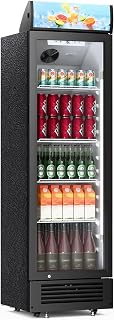
- Glass door glazing: Single-pane glass in direct sun is a heat sink. Double-layer glass, like the setup on the ROVSUN, cuts solar gain and stops the condensation film that makes single-pane doors look permanently foggy in humid weather. If your spot gets afternoon sun, prioritize this over almost anything else.
- Honest capacity and shelf geometry: Can ratings assume 12-ounce slim cans packed with no gaps. Tall bottles, growlers, and 16-ounce tallboys change the math fast. Removable or adjustable shelves matter more than the headline number — a 95-can cabinet with three configurable shelves beats a 130-can cabinet with fixed racks if you actually drink from bottles.
- Power, GFCI, and locks: Outdoor placement means a GFCI-protected receptacle, ideally on its own 15-amp circuit so the compressor is not fighting a string of patio lights on startup. A keyed lock is worth having on any unit reachable from a shared yard or rental space.
The Best Outdoor Mini Fridge (2026)s Reviewed
15 Inch Outdoor Beverage Refrigerator, French Door
The 15-inch footprint drops into a standard cabinet gap without custom carpentry, and the French door layout means you can open one side in a tight walkway. At 127 cans with built-in or freestanding flexibility, it is the most straightforward outdoor kitchen integration on this list.
Frigidaire 4.3 Cu Ft All-Weather Refrigerator
The IPX4 rating and rugged stainless cabinet make this the pick for genuinely exposed installs — covered patios, boat docks, garages without climate control. Solid door instead of glass, which sacrifices display appeal but holds temperature far better under direct sun.
Antarctic Star 95 Can Beverage Refrigerator
A well-proportioned 2.4 cubic foot glass-door unit with digital display and enough shelf adjustability to handle mixed bottle and can loads. Best suited to covered outdoor bars and three-season porches rather than fully exposed placement.
EUHOMY 130 Can Beverage Cooler
The highest can count in the compact class, with removable shelves that let you clear space for wine bottles or growlers when needed. Digital temperature control holds steady in the low 40s, making it a strong value for shaded patio duty.
ROVSUN 3.3 Cu Ft Beverage Refrigerator with Lock
Double-layer glass and a keyed lock are a smart combination for outdoor entertaining spaces, and the 32-50°F range covers everything from lager to white wine. Notably quiet for a compressor unit in this size bracket.
Frequently Asked Questions
Can I use a regular indoor mini fridge outside?
Not reliably. Indoor compressors are rated for roughly 60-80°F ambient temperatures, so summer heat forces continuous running, which shortens compressor life and often voids the warranty. Moisture intrusion into unsealed electronics is the other common failure point.
How much clearance does a built-in unit need?
Front-venting built-in models generally need only a small gap at the top and sides, but never block the base grille — that is the entire ventilation path. Check the manual for exact figures and add a half inch of tolerance before cutting your opening.
Do I need a dedicated circuit?
Strongly recommended. Compressor startup pulls a brief current surge, and sharing a circuit with lighting or audio gear invites nuisance trips. Any outdoor receptacle must be GFCI protected under current code.
Should I run it through the winter?
In freezing climates, most outdoor beverage fridges should be emptied, unplugged, and left with the door propped slightly to prevent gasket mildew. Ambient temperatures below the unit’s minimum can cause the thermostat to behave unpredictably.
Final Thoughts
For a genuinely exposed installation, the Frigidaire All-Weather unit is the only one here with a hard water-resistance spec, and that alone makes it the safe choice for uncovered patios and docks. If you are building into an outdoor kitchen run, the 15 Inch French Door model integrates cleanly without custom work, while the ROVSUN’s double-layer glass and lock make it the best all-around pick for a covered patio bar.