Key takeaways
- Rib count and material: Eight ribs is the practical floor for a 9-foot canopy. Fiberglass flexes and springs back where aluminum creases permanently, so if you get real wind, prioritize fiberglass or reinforced composite ribs over thin-wall aluminum.
- Vent design: A single-tier canopy traps pressure underneath and lifts. Double or triple-tier vents bleed that pressure off the top. This is the single cheapest engineering feature that actually keeps an umbrella planted.
- Pole diameter and wall thickness: Look for 1.5 inches or more on market umbrellas. Grab the pole in the store if you can. Anything that flexes noticeably under hand pressure will oscillate badly in gusts and eventually fatigue at the crank cutout.
- Base weight math: Freestanding 9-foot umbrellas want 75 pounds minimum, and cantilever models often need 200 pounds or more. Through-table setups can run lighter because the table carries the moment load, but don’t treat a 30-pound base as adequate anywhere.
- Fabric spec over color: Solution-dyed acrylic holds color for years; polyester fades hard by season two. Check GSM weight too, since 240GSM and up resists stretching at the rib pockets where most tears begin.
What's inside
Anyone who has chased a runaway umbrella across the lawn knows the failure point is rarely the fabric. It’s the ribs snapping at the hub, the pole flexing where the crank housing meets the tube, or a base that weighs less than the sail area it’s fighting. Most patio umbrellas are engineered for shade, not for the gusts that roll through on a July afternoon, and the difference shows up in the first real storm.
This guide looks at heavy-duty patio umbrellas through a builder’s lens: rib count and material, vent design, pole wall thickness, and how much ballast the whole system actually needs. I’ve flagged what holds up, what to reinforce yourself, and where the marketing claims outrun the hardware.
As an Amazon Associate we earn from qualifying purchases.



How to Choose a Heavy-Duty Wind Resistant Patio Umbrella (2026)
- Rib count and material: Eight ribs is the practical floor for a 9-foot canopy. Fiberglass flexes and springs back where aluminum creases permanently, so if you get real wind, prioritize fiberglass or reinforced composite ribs over thin-wall aluminum.
- Vent design: A single-tier canopy traps pressure underneath and lifts. Double or triple-tier vents bleed that pressure off the top. This is the single cheapest engineering feature that actually keeps an umbrella planted.
- Pole diameter and wall thickness: Look for 1.5 inches or more on market umbrellas. Grab the pole in the store if you can. Anything that flexes noticeably under hand pressure will oscillate badly in gusts and eventually fatigue at the crank cutout.
- Base weight math: Freestanding 9-foot umbrellas want 75 pounds minimum, and cantilever models often need 200 pounds or more. Through-table setups can run lighter because the table carries the moment load, but don’t treat a 30-pound base as adequate anywhere.
- Fabric spec over color: Solution-dyed acrylic holds color for years; polyester fades hard by season two. Check GSM weight too, since 240GSM and up resists stretching at the rib pockets where most tears begin.
The Best Heavy-Duty Wind Resistant Patio Umbrellas Reviewed
PURPLE LEAF 10′ x 10′ Cantilever Double Top
The double-top canopy and the rated 35MPH frame make this the strongest offset option here, and the cross base accepts sand or paver ballast for serious anchoring. Budget a full afternoon for assembly and plan your ballast before you unbox it, because the cantilever geometry puts real leverage on that base.
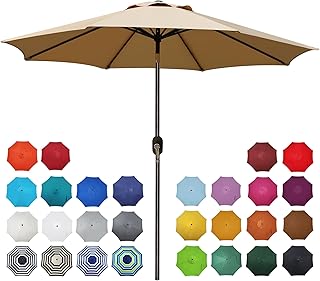
EliteShade USA 9ft 3-Tier Market Umbrella
Three tiers of ventilation is unusual at this size and it shows in gusty conditions, letting pressure escape instead of loading the ribs. The commercial-grade build and UPF 50+ Olefin canopy are what restaurants specify, and the fade resistance is the most credible claim in this roundup.
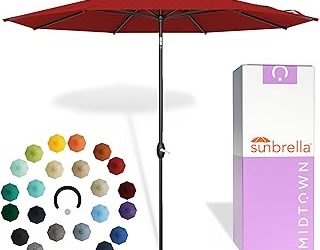
Midtown Umbrellas The Lean 9 Ft
Eight reinforced ribs plus Acrylast acrylic fabric put this in genuine premium territory, and the auto-tilt mechanism feels more substantial than the usual push-button hardware. Worth the money if you want an umbrella that still looks new after five summers.
Tempera Patio Market Umbrella
A solid mid-range pick with a sturdy pole, push-button tilt, and a fade-resistant canopy that punches above its price. Add a pole shim or a heavier base than the listing suggests and it handles moderate wind without complaint.
15FT Double-Sided Rectangular Umbrella
Two canopies on one pole cover a long dining table or pool run that no round umbrella can reach, and the included base saves a separate purchase. Understand that the rectangular sail area is large, so close it whenever you leave the yard.
Frequently Asked Questions
What wind speed can a heavy-duty patio umbrella actually handle?
Well-vented models with fiberglass ribs generally tolerate 20 to 30MPH sustained, and a few are rated to 35MPH. Those numbers assume proper ballast and an open canopy; no umbrella survives a thunderstorm gust front.
Should I leave the umbrella open or closed in wind?
Closed, always, with the tie strap fastened. An open canopy is a sail, and even a vented one transfers enormous load into the ribs and base.
How much base weight do I really need?
For a 9-foot freestanding market umbrella, 75 to 100 pounds. Cantilever models need 200 pounds and up. If your umbrella goes through a table, 50 pounds plus the table’s own mass is usually workable.
Can I repair a broken rib myself?
Yes, on most market umbrellas. Aluminum rib splints and replacement fiberglass rods are inexpensive, and a stainless hose clamp over the break holds well as a field fix until the proper part arrives.
Final Thoughts
If wind is your primary concern, the EliteShade USA 3-Tier is the smartest engineering per dollar thanks to its triple venting and commercial-grade frame. For offset shade over a seating area, the PURPLE LEAF cantilever handles it with the right ballast, and the Midtown Umbrellas Lean is the one to buy if you want fabric and hardware that outlast the trend cycle.