Key takeaways
- Match the frame to your commitment: Pop-up steel frames fold down in minutes and store in a bag, which suits renters and shared spaces. Bolted steel or cedar posts stay put year-round but need level ground and, in some towns, a permit check.
- Read the venting, not just the fabric: A double-tier roof with a vent gap lets gusts pass through instead of lifting the whole canopy. This single feature separates gazebos that survive a windy week from ones that end up in the neighbor’s hedge.
- Measure the footprint plus a working margin: A 12×16 model needs roughly two extra feet on every side for ladder access during assembly and for guy lines afterward. Chalk the outline on your patio before ordering.
- Plan anchoring from day one: Stakes work in turf; concrete needs wedge anchors and a hammer drill; decking wants lag screws into joists, not just boards. Budget for proper hardware since bundled anchors are usually undersized.
- Count your helpers honestly: Pop-ups go up with two people in under ten minutes. Hardtop and wooden gazebos are a full-day, two-to-three-person job with a drill, socket set, and a sturdy stepladder.
What's inside
Anyone who has spent a Saturday wrestling a gazebo frame across a lawn knows the real problem isn’t picking a pretty canopy — it’s picking one that survives contact with your actual backyard. Wind funnels between houses. Patio slabs aren’t level. The corner you measured at 12 feet is 11 feet 4 inches once you account for the downspout. Most disappointment comes from buying for the photo instead of the site, and then discovering the anchor kit is four flimsy stakes meant for a beach.
This guide sorts backyard gazebos by how they behave once installed, not just how they look in a listing. I’ve grouped the field into three honest categories: fast pop-ups you can strike before a storm, soft-top steel shelters that live outside all season, and hardtop or timber structures that become permanent architecture. You’ll also find the specs worth checking before you click buy — leg gauge, roof venting, anchoring hardware, and how much assembly help you’ll genuinely need.
As an Amazon Associate we earn from qualifying purchases.


How to Choose a/an Gazebo For Backyard (2026)
- Match the frame to your commitment: Pop-up steel frames fold down in minutes and store in a bag, which suits renters and shared spaces. Bolted steel or cedar posts stay put year-round but need level ground and, in some towns, a permit check.
- Read the venting, not just the fabric: A double-tier roof with a vent gap lets gusts pass through instead of lifting the whole canopy. This single feature separates gazebos that survive a windy week from ones that end up in the neighbor’s hedge.
- Measure the footprint plus a working margin: A 12×16 model needs roughly two extra feet on every side for ladder access during assembly and for guy lines afterward. Chalk the outline on your patio before ordering.
- Plan anchoring from day one: Stakes work in turf; concrete needs wedge anchors and a hammer drill; decking wants lag screws into joists, not just boards. Budget for proper hardware since bundled anchors are usually undersized.
- Count your helpers honestly: Pop-ups go up with two people in under ten minutes. Hardtop and wooden gazebos are a full-day, two-to-three-person job with a drill, socket set, and a sturdy stepladder.
The Best Gazebo For Backyard (2026)s Reviewed
CROWN SHADES 13×13 Pop Up Gazebo
The 13×13 footprint gives you genuine table-and-chairs room without stepping into permanent-structure territory, and the wheeled STO-N-Go bag is the detail that makes seasonal storage realistic rather than aspirational. Expect a two-person setup, and add heavier stakes than the included ones if your yard catches wind.
Patio Gazebo 11’x13′ with LED Lights & Bluetooth Speaker
A double-roof steel shelter with integrated lighting and a speaker built into the frame, which saves you from stringing extension cords across a patio. The netting and curtain panels zip on separately, so you can run it open in daytime and sealed at dusk when mosquitoes arrive.
Modern Shade Wood Gazebo 12×16
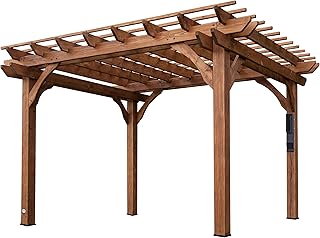
Cedar posts under a double galvanized steel roof is the combination that reads as architecture rather than temporary shade, and the pre-installed hooks for netting rods show someone thought about real-world use. Plan on a full weekend, a helper, and a level pad — this one is a build, not an unboxing.
Aoxun 12’x16′ Hardtop Gazebo
The twin-wall polycarbonate roof handles rain and snow load far better than fabric while still passing daylight, making it the practical choice for a permanent outdoor kitchen or dining zone. Anchor it properly into concrete or joists; a hardtop this size is a large sail if the base isn’t secured.
COOS BAY 11×11 Pop Up Gazebo
An easy recommendation for smaller patios and decks, with UPF 50+ fabric and full mesh netting covering 121 square feet of usable shade. Water resistant rather than waterproof, so treat it as sun-and-bug protection with light-rain tolerance.
Frequently Asked Questions
Can I leave a pop-up gazebo outside all season?
Not safely. Pop-up frames are engineered for portability, and prolonged UV exposure plus repeated wind loading degrades both fabric and joints. Take it down for storms and over winter, and it will last several seasons.
Do I need a permit for a wooden or hardtop gazebo?
Often yes, especially above roughly 100 to 120 square feet or when anchored to a permanent foundation. Rules vary by municipality and HOA, so call your local building department before you order.
How do I anchor a gazebo on a concrete patio?
Use the base plates with concrete wedge anchors or sleeve anchors set with a hammer drill and masonry bit. Stakes and sandbags are for turf and temporary setups; concrete deserves mechanical fasteners.
Soft-top or hardtop for a rainy climate?
Hardtop, without much hesitation. Polycarbonate panels shed water continuously, while fabric canopies pool and sag unless the pitch is steep and drum-tight, and pooled water is what tears seams.
Final Thoughts
For most backyards, the CROWN SHADES 13×13 delivers the best balance of usable space, quick setup, and storage practicality. If you want a permanent outdoor room, the Aoxun 12×16 hardtop handles weather with the least fuss, while the Modern Shade cedar gazebo is the pick when you want the structure to look intentional and last decades.