Key takeaways
- Roof pitch over roof material: A steep peak or sloped roof shrugs snow off before it accumulates. Flat-ish roofs force you to rake after every storm, and raking is where most panels get cracked. Prioritize a visible slope — peaked or single-slope both work.
- Post cross-section: This is the number that decides whether the structure stands. Cedar posts in the 4-inch-plus range have real compressive capacity; slim aluminum uprights rely entirely on bracing geometry. If you’re in a genuine snow belt, go thick.
- Galvanized steel panels, not polycarbonate: Steel spans between purlins without deflecting, sheds snow cleanly, and won’t go brittle at low temperatures. Polycarbonate is fine for shade and rain; it is not a snow roof.
- Anchoring and substrate: Manufacturer snow ratings assume the gazebo is properly anchored. Concrete pads take wedge anchors; wood decks need through-bolts into joists, not just deck boards. Plan your anchor hardware before the delivery truck arrives.
- Drainage and meltwater path: Snow eventually becomes water. Integrated gutters and downspouts keep meltwater off your posts and out of the pad, which is what prevents rot at the base and ice sheets underfoot.
What's inside
The first winter I owned a gazebo, I spent a January morning on a stepladder with a plastic snow rake, chipping wet slush off a flat polycarbonate roof at 6 a.m. because the panels had started to bow. That gazebo did not survive February. What I learned the hard way is that snow is not a wind problem or a rain problem — it is a static load problem, and static load is decided by three things: roof pitch, post cross-section, and how the roof panels transfer weight into the frame. A pretty gazebo with a shallow roof and 2×2 posts is a lean-to waiting to happen once you stack 18 inches of freeze-thaw ice on it.
This guide is written from a build-and-repair perspective rather than a spec-sheet one. I’ve gone through the structures below looking at the details that actually matter when the load hits: whether the roof is galvanized steel or plastic, whether the posts are thick enough to resist buckling, whether there’s a genuine pitch to shed snow instead of collecting it, and whether the hardware and drainage are designed for a permanent installation. Below you’ll find wood-frame cedar builds for maximum load capacity, plus aluminum hardtops that hold their own in moderate-to-heavy snow country.
As an Amazon Associate we earn from qualifying purchases.


How to Choose a Gazebo For Heavy Snow (2026)
- Roof pitch over roof material: A steep peak or sloped roof shrugs snow off before it accumulates. Flat-ish roofs force you to rake after every storm, and raking is where most panels get cracked. Prioritize a visible slope — peaked or single-slope both work.
- Post cross-section: This is the number that decides whether the structure stands. Cedar posts in the 4-inch-plus range have real compressive capacity; slim aluminum uprights rely entirely on bracing geometry. If you’re in a genuine snow belt, go thick.
- Galvanized steel panels, not polycarbonate: Steel spans between purlins without deflecting, sheds snow cleanly, and won’t go brittle at low temperatures. Polycarbonate is fine for shade and rain; it is not a snow roof.
- Anchoring and substrate: Manufacturer snow ratings assume the gazebo is properly anchored. Concrete pads take wedge anchors; wood decks need through-bolts into joists, not just deck boards. Plan your anchor hardware before the delivery truck arrives.
- Drainage and meltwater path: Snow eventually becomes water. Integrated gutters and downspouts keep meltwater off your posts and out of the pad, which is what prevents rot at the base and ice sheets underfoot.
The Best Gazebo For Heavy Snow (2026)s Reviewed
Modern Shade Wood Grill Gazebo 12′ x 16′
The 4.6-inch cedar posts and sloped galvanized steel roof make this the most load-capable option here, and the single-slope design sheds snow in one direction so you can point it away from your walkway. It’s a serious two-person weekend build with real hardware, but once it’s anchored you stop thinking about winter.
Modern Shade Permanent Wood Gazebo 12×14
Same construction philosophy in a slightly tighter footprint, with heavy cedar framing and a galvanized steel roof that carries load into the posts rather than flexing. The built-in hooks are a genuinely useful touch for hanging lights or a rake within reach.
10×12 ft Cedar Wood Gazebo with Peak Roof
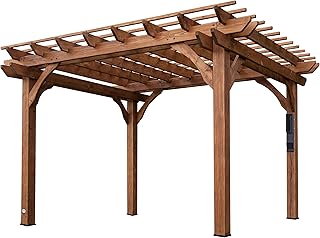
The peaked galvanized roof gives you shedding on two sides, which is the geometry I’d choose for open, wind-exposed yards where drifting matters. Cedar framing at this size is manageable for a DIY install while still giving you far more capacity than a metal-frame equivalent.
UDPATIO 10’x12′ Hardtop Gazebo
Rated for 49 mph wind and 6 inches of snow, this is the honest middle ground: strong enough for typical winters, not a substitute for a heavy-timber build in lake-effect country. The dual-track sidewalls are the standout feature, letting you close the structure down for shoulder-season use.
Aoxun 12′ X 16′ Hardtop Gazebo
The integrated drainage system is what earns this one its place — meltwater gets routed off the roof instead of pooling and refreezing at the eaves. The aluminum frame keeps assembly reasonable for the size, and the double galvanized roof vents trapped heat in summer.
Frequently Asked Questions
How much snow can a hardtop gazebo actually hold?
Most aluminum-frame hardtops are rated around 4 to 8 inches of fresh snow. Heavy cedar-post structures with galvanized steel roofs handle considerably more. Remember that wet snow can weigh three times what dry powder does at the same depth.
Do I need to clear snow off the roof?
On a steeply pitched steel roof, usually not — it sheds on its own. On any low-slope or polycarbonate roof, clear it after significant accumulation using a roof rake from ground level, never a shovel from above.
Can I install one on an existing wood deck?
Yes, but anchor through the deck boards into the joists or blocking below, and confirm your deck framing can carry the added load. Decks rated for people are not automatically rated for a gazebo plus snow.
Should I take the roof panels off for winter?
Not with these builds — they’re designed as permanent structures and the roof contributes to overall rigidity. Removing panels from soft-top or canopy-style gazebos is a different story and generally advisable.
Final Thoughts
If you get real snow and want to stop worrying about it, the Modern Shade 12′ x 16′ cedar gazebo with its 4.6-inch posts is the structure I’d put my own money on, with the 12×14 version as the choice for tighter yards. For moderate snow loads where budget and easier assembly matter more, the Aoxun 12′ x 16′ hardtop with integrated drainage is a smart compromise that handles meltwater better than most metal-frame competitors.