Key takeaways
- Roof construction: Double-layer galvanized steel roofs vent hot air through the gap between panels and handle snow load far better than single-skin or fabric tops. Slatted pergola roofs give dappled shade and airflow but won’t keep you dry in rain — decide which you actually need before you buy.
- Wood species and finish state: Cedar resists rot and insects naturally, which matters because most kits ship unfinished. Budget a weekend and a gallon of exterior stain before assembly; sealing the cut ends and post bottoms while pieces are still flat on sawhorses is far easier than doing it overhead later.
- Anchoring and footings: A 10×12 hardtop gazebo catches serious wind. Check whether the kit includes ground stakes, concrete anchor brackets, or nothing at all, and match that to your surface — deck boards, pavers, and bare soil each need different hardware.
- Assembly reality: Look for pre-drilled joinery and numbered parts. Two people can manage most cedar kits, but lifting steel roof panels is a three-person job. Plan for a level work surface and a socket set with a driver bit, not just the included Allen wrench.
- Netting and curtains: Integrated mosquito mesh and privacy panels turn a gazebo into usable evening space. Check that hooks or tracks are built into the frame rather than clipped on, since add-on curtain systems tend to sag and tear at the grommets.
What's inside
Anyone who has spent a summer afternoon dragging a patio umbrella around the deck knows the appeal of a permanent structure. But shopping for a gazebo kit means wading through wildly inconsistent listings: some “kits” arrive as raw lumber with a diagram, others show up as pre-cut cedar posts with pilot holes already drilled and hardware sorted into labeled bags. The difference determines whether your weekend project takes six hours or three days, and no product page states it plainly.
This guide sorts the current crop of gazebo kits by what actually matters once the boxes hit your driveway: how the roof is engineered, whether the wood needs sealing before assembly, how many people you realistically need on hand, and what anchoring hardware is included versus what you’ll buy separately. We cover hardtop wooden pavilions, open-slat pergolas, and one pop-up option for renters and anyone who wants shade without a post-hole digger.
As an Amazon Associate we earn from qualifying purchases.


How to Choose a Gazebo Kit (2026)
- Roof construction: Double-layer galvanized steel roofs vent hot air through the gap between panels and handle snow load far better than single-skin or fabric tops. Slatted pergola roofs give dappled shade and airflow but won’t keep you dry in rain — decide which you actually need before you buy.
- Wood species and finish state: Cedar resists rot and insects naturally, which matters because most kits ship unfinished. Budget a weekend and a gallon of exterior stain before assembly; sealing the cut ends and post bottoms while pieces are still flat on sawhorses is far easier than doing it overhead later.
- Anchoring and footings: A 10×12 hardtop gazebo catches serious wind. Check whether the kit includes ground stakes, concrete anchor brackets, or nothing at all, and match that to your surface — deck boards, pavers, and bare soil each need different hardware.
- Assembly reality: Look for pre-drilled joinery and numbered parts. Two people can manage most cedar kits, but lifting steel roof panels is a three-person job. Plan for a level work surface and a socket set with a driver bit, not just the included Allen wrench.
- Netting and curtains: Integrated mosquito mesh and privacy panels turn a gazebo into usable evening space. Check that hooks or tracks are built into the frame rather than clipped on, since add-on curtain systems tend to sag and tear at the grommets.
The Best Gazebo Kits (2026) Reviewed
GUNJI 10′ x 12′ Wooden Gazebo
The double galvanized steel roof and rustproof hardware make this the pick for climates with real winters, and the pre-cut fir posts fit together with minimal fuss. Expect a full day with two people, and stain the timber before you raise anything.
Modern Shade Wood Gazebo 10×12
Cedar posts plus a double steel roof, with yard-dyed curtains and mosquito netting hanging from hooks integrated into the frame rather than tacked on afterward. It’s the most complete out-of-box setup here if you want an enclosed outdoor room without sourcing textiles separately.
BlueWish 10’x14′ Cedar Pergola
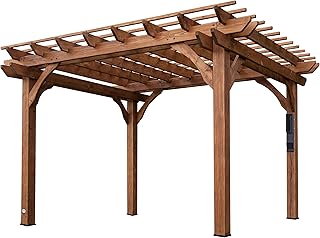
The largest footprint on this list and the simplest build, since the slatted roof skips heavy panels entirely. Ideal for shading a grill station or dining table where airflow beats rain protection, and the included stakes handle soft ground well.
Aoxun 10′ x 12′ Wood Gazebo
Natural cedar with a double galvanized roof at a friendlier price than most hardtops, with clean joinery and clear instructions. The trade-off is no netting or curtains included, so factor that into your budget if you’re dealing with mosquitoes.
COOS BAY 11×11 Pop Up Gazebo
Genuinely useful for renters, campers, and anyone hosting a one-off party: the accordion frame opens in a few minutes with two people and packs into a wheeled bag. UPF 50+ fabric and zip-on mesh cover the basics, though it needs to come down before storms.
Frequently Asked Questions
Do I need a permit for a gazebo kit?
Rules vary widely by municipality, but many jurisdictions exempt detached structures under 100 to 120 square feet. A 10×12 lands at 120, right at the threshold, so call your local building department before ordering.
Can I build a gazebo on an existing deck?
Yes, if the deck framing can carry the load. Anchor posts into joists or beams using through-bolted brackets rather than surface screws into decking boards, and verify your deck’s rated capacity first.
How long do these kits actually last?
Cedar with a steel roof and annual resealing will run 15 to 20 years. Unsealed wood in contact with soil can rot in three to five, which is why post standoff brackets matter more than most buyers realize.
Is a hardtop worth it over fabric?
If the gazebo stays up year-round, yes. Fabric tops fade, pool water, and typically need replacing every two to three seasons, while galvanized steel handles snow and UV without intervention.
Final Thoughts
For most backyards, the Modern Shade 10×12 offers the best balance of cedar construction, weatherproof roofing, and included netting. Choose the GUNJI 10′ x 12′ if snow load is your main concern, or the BlueWish 10’x14′ cedar pergola when you want maximum coverage and an easier build.