Key takeaways
- Penetrating vs. film-forming: Oils soak in and leave no surface layer, so they never peel — you just reapply. Film-formers like polyurethane sealers create a barrier that lasts longer but eventually cracks and needs stripping. Oils are the low-drama choice for furniture you actually use.
- UV protection: Water damage gets the attention, but sunlight is what turns rich brown teak into driftwood gray. Look for stated UV absorbers or pigments in the formula. Clear finishes with no UV package will fade underneath while still looking intact.
- Wood species compatibility: Dense tropical hardwoods (teak, ipe, eucalyptus) accept thin oils slowly and reject heavy coats. Softer woods — cedar, pine, fir — drink deeply and often want a sealer instead. Match the product to the timber or you’ll fight sticky residue for days.
- Cure time and recoat windows: Fast-drying formulas let you finish a six-chair set in a weekend. Slower oils give a deeper cure but demand dry weather across multiple days. Check the recoat interval before you commit your Saturday.
- Coverage math: A quart handles a small bistro set; a full dining table, bench, and loungers can burn through a gallon on first application. Bare or weathered wood absorbs two to three times what maintained wood does, so buy generously.
What's inside
Every spring I drag the same acacia dining set out of the garage and every spring it looks a little grayer than the year before. Wood patio furniture doesn’t fail all at once — it fades, the grain lifts, joints loosen as the timber swells and shrinks through the seasons, and one day you run a hand along the armrest and get a splinter. The fix isn’t sanding harder. It’s picking a finish that actually matches how your furniture is built and where it sits.
This guide breaks down the finishes I keep on the shelf above my workbench: penetrating oils that feed the wood, sealers that block moisture, and hybrid formulas that do a bit of both. I’ll cover what to look for before you buy, then walk through the standouts for 2026 with notes from real weekend application — dry times, coverage, how they behave on teak versus cedar versus big-box acacia.
As an Amazon Associate we earn from qualifying purchases.



How to Choose a Finish For Wood Patio Furniture (2026)
- Penetrating vs. film-forming: Oils soak in and leave no surface layer, so they never peel — you just reapply. Film-formers like polyurethane sealers create a barrier that lasts longer but eventually cracks and needs stripping. Oils are the low-drama choice for furniture you actually use.
- UV protection: Water damage gets the attention, but sunlight is what turns rich brown teak into driftwood gray. Look for stated UV absorbers or pigments in the formula. Clear finishes with no UV package will fade underneath while still looking intact.
- Wood species compatibility: Dense tropical hardwoods (teak, ipe, eucalyptus) accept thin oils slowly and reject heavy coats. Softer woods — cedar, pine, fir — drink deeply and often want a sealer instead. Match the product to the timber or you’ll fight sticky residue for days.
- Cure time and recoat windows: Fast-drying formulas let you finish a six-chair set in a weekend. Slower oils give a deeper cure but demand dry weather across multiple days. Check the recoat interval before you commit your Saturday.
- Coverage math: A quart handles a small bistro set; a full dining table, bench, and loungers can burn through a gallon on first application. Bare or weathered wood absorbs two to three times what maintained wood does, so buy generously.
The Best Finish For Wood Patio Furniture (2026)s Reviewed
STAR BRITE Premium Golden Teak Oil
Tung oil polymers plus UV absorbers make this the most complete out-of-the-can option for teak and other fine hardwoods — it seals, feeds, and shades in one pass. The warm golden tint restores color to sun-bleached grain without looking like stain, and it sets up fast enough to get two coats on in a day.
Seal-Once Nano+Poly Penetrating Wood Sealer
This is the one I reach for on cedar and softwood builds where water intrusion is the real enemy. The nano-particle carrier drives polyurethane resin below the surface rather than sitting on top, so you get film-level waterproofing without the peeling failure mode, and two gallons covers a large set with room left for the deck boards underneath.
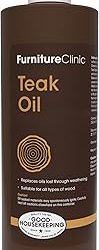
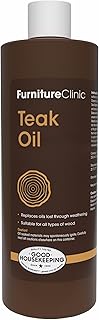
Furniture Clinic Teak Oil
A cleaner-and-conditioner in one, which matters more than it sounds — it lifts grime as you wipe it on, so lightly weathered furniture skips a scrubbing step. The natural matte result is the most understated look here, ideal if you want the wood to read as wood rather than as something coated.
RMP Finishes Outdoor Defense Oil
Genuinely versatile across furniture, fencing, and raised garden beds, which makes it a smart single purchase for a mixed-material yard. It builds protection without heavy sheen, and the 16 oz size is right for maintenance coats on a set you already keep up with.
LinSheen Boiled Linseed Oil
The traditionalist’s answer, and still hard to beat on value for reviving dry, thirsty wood — it penetrates deep and brings grain back to life. Note that it offers minimal UV defense on its own, so treat it as a restorative first step or pair it with a topcoat for full-sun locations.
Frequently Asked Questions
How often should I refinish outdoor wood furniture?
Penetrating oils generally need reapplication every six to twelve months depending on exposure; furniture under a covered porch stretches well past a year. Sealers with polyurethane can run two to three seasons. The tell is water behavior — if droplets soak in instead of beading, you’re due.
Do I need to sand before applying?
Only if the surface is rough, previously film-coated, or badly grayed. For maintenance coats on oiled wood, a clean and dry surface is enough. Weathered pieces benefit from a wood cleaner or brightener followed by a light 120–150 grit scuff.
Is teak oil actually made from teak?
No — it’s a blend, usually tung or linseed oil with resins and solvents, formulated for dense hardwoods. Products like the Nordicare Teak Oil work equally well on acacia, oak, and eucalyptus despite the name.
Can I use interior wood finish outside?
Not advisably. Interior formulas lack UV inhibitors and mildewcides, and they’re engineered for stable humidity. They’ll fail within a season outdoors, often by clouding or peeling.
Final Thoughts
For most people with a teak or acacia set living in direct sun, the STAR BRITE Golden Teak Oil delivers the best balance of UV defense, color restoration, and quick turnaround. Choose Seal-Once Nano+Poly if you’re protecting cedar or softwoods and want multi-season waterproofing, or Furniture Clinic Teak Oil if you prefer a clean matte finish that doubles as a maintenance wipe-down. All three reward the twenty minutes of prep more than they reward extra coats.