Key takeaways
- Fiber resilience: Wool springs back after compression because each strand has natural crimp, which is why hotel corridors use it. Solution-dyed polypropylene doesn’t recover as well but resists bleach, sun, and moisture far better, so pick based on whether your enemy is crushing or spills.
- Pile height and density: Density beats height every time. Fold a corner back: if you can see a lot of backing through the splayed fibers, that rug will show wear paths quickly. Low, tightly packed pile is what you want under chairs and in doorways.
- Backing construction: Jute or cotton backing breathes and stays flat on hardwood. Rubberized latex backings grip well but can eventually mark finished floors and tend to crack after repeated flexing, so keep them off heated floors.
- Cleanability: Ask yourself if you’d be comfortable scrubbing it. Machine-washable and hose-friendly constructions genuinely change your habits, because a rug you can clean easily gets cleaned before stains set instead of after.
- Sizing and edge management: Measure so the rug extends past the traffic lane rather than sitting inside it. Edges caught mid-stride are what cause curling and trip hazards, and a low-profile pad cut two inches smaller than the rug solves most of it.
What's inside
Every hallway rug I’ve ever installed has taught me the same lesson: the pile you fall in love with in a photo is rarely the pile that survives a year of boots, dog nails, and rolling desk chairs. The failure mode is predictable. Fibers in the walking lane crush flat, the surface goes shiny where the sun and the traffic overlap, and the edges start curling until someone catches a toe. By month eight the rug looks tired in exactly one stripe, which somehow reads worse than a rug that aged evenly.
So this guide is built around material and construction first, style second. I’ve pulled together six rugs that hold up under real foot traffic, from dense handmade wool to jute-backed synthetics you can hose off on the driveway, and I’ll walk through what each one is actually good at. You’ll also find the checks I run before buying anything for a corridor, entry, or dining room, plus a short FAQ covering the practical stuff nobody mentions until you’re already unrolling it.
As an Amazon Associate we earn from qualifying purchases.


How to Choose a Rug Material For High-Traffic Area (2026)
- Fiber resilience: Wool springs back after compression because each strand has natural crimp, which is why hotel corridors use it. Solution-dyed polypropylene doesn’t recover as well but resists bleach, sun, and moisture far better, so pick based on whether your enemy is crushing or spills.
- Pile height and density: Density beats height every time. Fold a corner back: if you can see a lot of backing through the splayed fibers, that rug will show wear paths quickly. Low, tightly packed pile is what you want under chairs and in doorways.
- Backing construction: Jute or cotton backing breathes and stays flat on hardwood. Rubberized latex backings grip well but can eventually mark finished floors and tend to crack after repeated flexing, so keep them off heated floors.
- Cleanability: Ask yourself if you’d be comfortable scrubbing it. Machine-washable and hose-friendly constructions genuinely change your habits, because a rug you can clean easily gets cleaned before stains set instead of after.
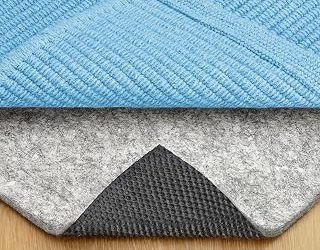
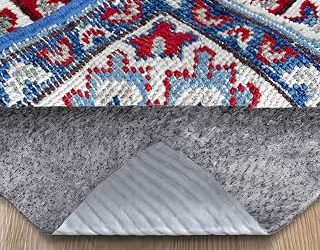
- Sizing and edge management: Measure so the rug extends past the traffic lane rather than sitting inside it. Edges caught mid-stride are what cause curling and trip hazards, and a low-profile pad cut two inches smaller than the rug solves most of it.
The Best Rug Material For High-Traffic Area (2026)s Reviewed
SAFAVIEH Metro Handmade Wool Rug (10′ x 14′)
This is the one I’d choose if the budget allows, because handmade wool at this scale gives you a dense, resilient surface that recovers from foot pressure instead of matting into a permanent path. The dark grey and ivory pairing hides the daily grit that shows up on light solids, and wool’s natural lanolin buys you a few extra seconds to blot a spill before it commits.
SUPERIOR Rockwood Geometric Rug (8′ x 10′)
The jute backing is the detail that matters here: it sits flat on hardwood without the tackiness that latex develops over time, and the low geometric pile means dining chairs slide rather than snag. A solid pick for entryways and home offices where you want something you can vacuum aggressively.
Gertmenian Romi Boho Rug (8′ x 10′)
Stain-resistant synthetic construction in a boho pattern that camouflages traffic wear better than most, since the visual busyness works in your favor when fibers start to flatten unevenly. Good value for a family living room where the rug needs to earn its keep more than it needs to impress.
SAFAVIEH California Shag Rug (8′ x 10′)
Shag in a busy space is usually a mistake, but this two-inch pile is dense enough to stand back up and the non-shedding construction means you’re not vacuuming loose fiber for the first month. Best in rooms with real traffic but no chair legs, so think family rooms rather than dining spaces.
SAFAVIEH Lyndhurst Traditional Rug (6′ x 9′)
The classic oriental pattern is doing double duty as a wear-hiding tool, which is exactly why traditional rugs have always been the pragmatic choice for hallways and formal rooms. The low profile plays nicely with doors and transitions, and the ivory-on-ivory palette reads lighter than it behaves.
Frequently Asked Questions
Is wool really worth the extra cost for a busy room?
If the room sees daily traffic for years, yes. Wool’s crimped fiber structure resists permanent crushing in a way synthetics can’t match, and it typically stays presentable two to three times longer. For a rental or a rug you expect to swap in a couple of years, synthetic makes more sense.
Do I need a rug pad underneath?
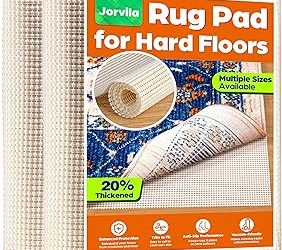
In high-traffic areas, absolutely. A pad absorbs compression before it reaches the fibers, stops the rug from creeping, and lets air move so trapped grit doesn’t grind against the backing. Choose a felt-and-rubber pad and cut it slightly smaller than the rug.
How do I stop the corners from curling?
Reverse-roll the rug for a day, then weight the corners with books. If it persists, double-sided rug tape or corner grippers on the underside will hold it, though the real fix is usually a rug pad with enough grip that the edges never lift in the first place.
Which materials handle pet accidents best?
Solution-dyed polypropylene, hands down, since the color runs through the fiber and it won’t absorb moisture the way wool does. Wool can be cleaned but holds odor if the backing gets saturated, so keep it out of puppy zones.
Final Thoughts
For longevity in the hardest-working rooms, the SAFAVIEH Metro handmade wool rug is the one that will still look right in five years, with the SUPERIOR Rockwood a close second if you want jute-backed practicality on hardwood at a friendlier price. The Gertmenian Romi rounds out the list as the smart family pick, where stain resistance and a forgiving pattern matter more than heirloom construction.