Key takeaways
- Fiber type: Polypropylene shrugs off moisture and bleach-based cleaners, making it the workhorse for wet-shoe zones. Polyester holds dye color better but crushes sooner. Wool is unmatched for resilience and hides dirt naturally, though it sheds for months and hates standing water. Cotton chenille feels great barefoot but soaks through fast, so keep it just inside a covered porch.
- Pile height and construction: Anything over about half an inch will wedge under a swinging door and trip you. Low-profile tufted or flatweave construction lets debris sit on the surface where a vacuum can grab it, instead of migrating down into the base where it grinds fibers apart.
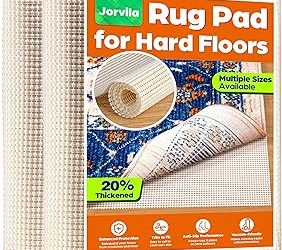
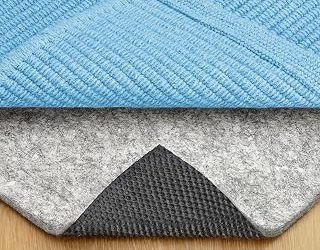
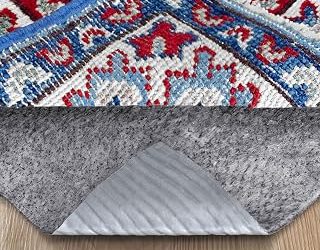
- Backing material: Latex-dot and TPR backings grip well but can react with polyurethane floor finishes over time. Solid rubber backing gives the best hold on tile and sealed concrete. On hardwood, I lay a breathable felt-and-rubber pad underneath and let the pad do the gripping instead.
- Washability: Check whether the whole rug is machine washable or only spot-cleanable. A rug you can throw in a front-loader on cold gets cleaned four times as often, and frequent washing is what actually extends the life of an entry rug.
- Sizing to the door swing: Measure your door’s arc before ordering. A 2×3 sits neatly under most interior swings; a 24×36 covers a standard 36-inch exterior door edge to edge. Runners work for long hallway entries, and 5×8 rugs belong in open foyers where furniture holds the corners down.
What's inside
Pull up a worn-out entryway rug and you learn a lot about what went wrong. The backing has usually crumbled into gray dust, the pile is matted flat in a traffic path shaped like a boot print, and there’s a faint rubber shadow stamped onto the floor finish underneath. That failure almost never comes down to the pattern someone picked at the store. It comes down to fiber and backing, the two things nobody reads on the tag.
I’ve swapped out enough door mats in my own place and in friends’ rentals to have opinions about which materials actually survive grit, snowmelt, and a dog who refuses to wipe her feet. This guide breaks down what each fiber type does under real abuse, how backings behave on hardwood versus tile, and which specific rugs are worth your money in 2026. Below you’ll find the picks, then a straightforward buying framework, then honest notes on each one.
As an Amazon Associate we earn from qualifying purchases.


How to Choose a Material For Entryway Rug (2026)
- Fiber type: Polypropylene shrugs off moisture and bleach-based cleaners, making it the workhorse for wet-shoe zones. Polyester holds dye color better but crushes sooner. Wool is unmatched for resilience and hides dirt naturally, though it sheds for months and hates standing water. Cotton chenille feels great barefoot but soaks through fast, so keep it just inside a covered porch.
- Pile height and construction: Anything over about half an inch will wedge under a swinging door and trip you. Low-profile tufted or flatweave construction lets debris sit on the surface where a vacuum can grab it, instead of migrating down into the base where it grinds fibers apart.
- Backing material: Latex-dot and TPR backings grip well but can react with polyurethane floor finishes over time. Solid rubber backing gives the best hold on tile and sealed concrete. On hardwood, I lay a breathable felt-and-rubber pad underneath and let the pad do the gripping instead.
- Washability: Check whether the whole rug is machine washable or only spot-cleanable. A rug you can throw in a front-loader on cold gets cleaned four times as often, and frequent washing is what actually extends the life of an entry rug.
- Sizing to the door swing: Measure your door’s arc before ordering. A 2×3 sits neatly under most interior swings; a 24×36 covers a standard 36-inch exterior door edge to edge. Runners work for long hallway entries, and 5×8 rugs belong in open foyers where furniture holds the corners down.
The Best Material For Entryway Rug (2026)s Reviewed
Washable 2×3 Entryway Rug, Beige
This one hits the sweet spot for most interior entries: low enough to clear a door sweep, soft enough to stand on barefoot, and genuinely washable when the salt stains show up in February. The vintage-faded print is a practical choice as much as a stylistic one, since a distressed pattern camouflages the inevitable coffee splash far better than a solid neutral.
Non-Slip Door Mat 24″x36″, Khaki
The rubber backing here is the real selling point, gripping tile and sealed concrete without needing a separate pad underneath. Its absorbent low-profile face pulls water off shoes rather than letting it bead and run, which makes it my pick for the first mat inside a garage or mudroom door.
Lahome Floral Washable Rug, Black Paisley
Stain-resistant fibers plus a busy paisley print make this the most forgiving option on the list for households with kids or pets. It’s thin enough to work in front of a kitchen sink or laundry machine, and the black ground hides the fine gray grit that shows immediately on lighter rugs.
Unique Loom Flatweave Indoor/Outdoor Rug
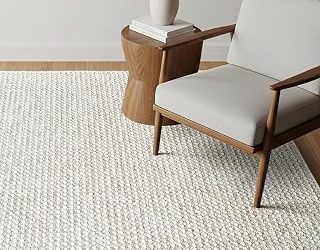
Flatweave polypropylene is what I’d build an entry rug out of if I were making one from scratch: no pile to crush, nothing for grit to burrow into, and hose-washable when it gets truly filthy. The heathered light gray reads as textile rather than plastic, and it handles a covered porch as easily as a foyer.
Lahome Moroccan Trellis Door Mat, Blue
A good pick when you want the entry to look intentional instead of purely utilitarian, with a trellis motif that carries color without fighting whatever’s on your walls. Non-slip and washable at the 2×3 size, though I’d pair it with an outdoor scraper mat so the coarse debris never reaches it.
Frequently Asked Questions
What material lasts longest in a high-traffic entry?
Polypropylene, by a wide margin, especially in a flatweave. It resists water, mildew, and fading, and it can take repeated washing without the backing breaking down. Wool lasts longer aesthetically but needs a drier location.
Will a rubber-backed rug damage my hardwood floors?
It can, over a few years. Rubber and latex plasticizers can soften or discolor polyurethane finishes, and trapped moisture makes it worse. Use a felt-core pad on finished wood and save solid rubber backings for tile, vinyl, and concrete.
How do I stop the corners from curling?
Reverse-roll the rug against its curl for a day, then weight the corners with books overnight. For stubborn synthetics, a hair dryer on low over the crease relaxes the backing enough to let it lie flat permanently.
Do I need two rugs at the door?
It’s the single biggest upgrade you can make. A coarse scraper mat outside knocks off grit and mud, and the indoor rug then only handles fine dust and residual moisture. Layering this way roughly doubles how long the interior rug looks new.
Final Thoughts
For most entries, the Unique Loom flatweave is the smartest material choice on this list, since there’s simply no pile to destroy. If your door opens onto tile and you deal with real weather, the 24″x36″ rubber-backed door mat handles water better than anything else here, and the washable beige 2×3 remains the easiest all-rounder for an interior entry that needs to look good more than it needs to fight the elements.