Key takeaways
- Match the substrate first: Teak, acacia, and other oily hardwoods want a penetrating oil. Pine, cedar, and painted pieces do better under a film. Resin wicker and aluminum need a restorer, not a wood product at all.
- Penetrating vs. film-forming: Oils soak in, never peel, and get refreshed with a wipe-on coat. Urethanes build a hard shell that resists abrasion beautifully but eventually cracks and demands sanding back to bare wood.
- Look for real UV protection: Ultraviolet light, not water, does most of the graying. Products with UV absorbers hold color noticeably longer than plain oil, which mostly just darkens the surface temporarily.
- Think about recoat intervals: An oil on a sun-drenched southern deck may need attention twice a season. Shaded pieces stretch to a year. Factor that maintenance into your choice before you commit to a large set.
- Check coverage against your project: A 16 oz bottle handles a bistro table and two chairs. A full six-seat dining set plus a lounger will eat a quart or more, and mixing partial cans of different brands invites blotching.
What's inside
Every spring I drag the same set of chairs out from under the deck and every spring they look a little more tired than the year before. Sun bleaches the color out, rain swells the joints, and the fine gray fuzz that shows up on unprotected teak is the wood quietly giving up its surface layer. The furniture isn’t failing because it was cheap. It’s failing because whatever was on it wore off and nobody put anything back.
The confusing part is that “patio furniture finish” covers at least three unrelated products: penetrating oils that feed the wood, film-forming urethanes that seal it under a shell, and restorers that revive plastic, vinyl, and powder-coated metal. Pick the wrong category and you’ll either trap moisture or waste an afternoon. This guide sorts out which product belongs on which material, and reviews the ones I keep in the shed.
As an Amazon Associate we earn from qualifying purchases.



How to Choose a Finish For Patio Furniture (2026)
- Match the substrate first: Teak, acacia, and other oily hardwoods want a penetrating oil. Pine, cedar, and painted pieces do better under a film. Resin wicker and aluminum need a restorer, not a wood product at all.
- Penetrating vs. film-forming: Oils soak in, never peel, and get refreshed with a wipe-on coat. Urethanes build a hard shell that resists abrasion beautifully but eventually cracks and demands sanding back to bare wood.
- Look for real UV protection: Ultraviolet light, not water, does most of the graying. Products with UV absorbers hold color noticeably longer than plain oil, which mostly just darkens the surface temporarily.
- Think about recoat intervals: An oil on a sun-drenched southern deck may need attention twice a season. Shaded pieces stretch to a year. Factor that maintenance into your choice before you commit to a large set.
- Check coverage against your project: A 16 oz bottle handles a bistro table and two chairs. A full six-seat dining set plus a lounger will eat a quart or more, and mixing partial cans of different brands invites blotching.
The Best Finish For Patio Furniture (2026)s Reviewed
STAR BRITE Premium Golden Teak Oil
This is the one I reach for on teak and mahogany because the tung oil polymers cure harder than straight linseed blends, and the built-in UV absorbers genuinely slow the fade. The golden tone is warm rather than orange, and it tacks up fast enough that you can get two coats on in a single afternoon.
Varathane Water-Based Ultimate Spar Urethane
When you need a true protective film — a tabletop that takes drinks and elbows, or a painted bench in full weather — this water-based spar urethane flexes with seasonal wood movement instead of cracking like a floor finish would. The satin sheen looks appropriate outdoors, and low odor plus soap-and-water cleanup makes it far more pleasant to brush than oil-based spar.
Rejuvenate Outdoor Restorer
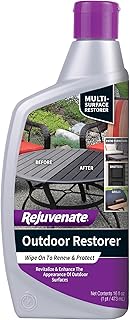
Nothing on this list touches plastic and metal the way this does; it’s the fix for chalky resin chairs, faded vinyl shutters, and a grill lid that’s gone dull. Wipe it on with a cloth, walk away, and the surface reads deep and saturated again — just know it’s a cosmetic seal, so plan on redoing it annually.
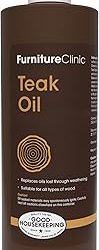
Furniture Clinic Teak Oil
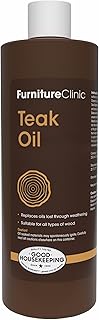
A well-balanced oil that leaves a natural matte look instead of the slightly glossy sheen some teak oils build, which suits modern furniture better. It also has enough cleaning action to lift light grime as you apply, so a scrub-down beforehand can often be skipped on lightly weathered pieces.
Nordicare Teak Oil for Outdoor Furniture
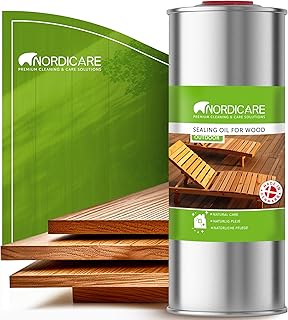
The 34 oz bottle is the sensible buy if you’ve got a full dining set, and it’s formulated broadly enough to handle acacia and oak alongside teak. Application is forgiving — flood it on, let it drink for fifteen minutes, wipe the excess hard — and it dries without the sticky patches cheaper oils leave behind.
Frequently Asked Questions
Does teak actually need to be oiled?
Structurally, no. Teak will last decades bare and simply weather to silver-gray. Oiling is about keeping the honey color, and once you start you’re committed to maintaining it.
Can I put spar urethane over furniture that’s been oiled?
Not reliably. Residual oil interferes with adhesion, so you’d need to strip and sand to bare wood and let it dry thoroughly first. Choose one path per piece.
What’s the deal with boiled linseed oil rags?
They generate heat as they cure and can self-ignite in a wadded pile. Spread used rags flat outdoors until stiff, or soak them in water in a sealed metal can before disposal. This is not an exaggerated risk.
When is the best time to refinish?
A dry stretch with mild temperatures — spring or early fall. Direct hot sun makes oil flash off before it penetrates, and high humidity stalls curing.
Final Thoughts
For teak and hardwood sets, STAR BRITE Golden Teak Oil offers the best combination of UV defense and warm color, with Nordicare Teak Oil making more economic sense on larger collections. If your furniture is painted or you need a hard-wearing tabletop, Varathane Ultimate Spar Urethane is the durable choice — and keep Rejuvenate Outdoor Restorer on hand for everything on your patio that isn’t wood.