Key takeaways
- Cut-off wheels: Thin discs for slicing bolts, screws, and sheet metal in tight spots.
- Sanding drums and bands: For smoothing wood edges and removing rust or paint.
- Grinding stones: For sharpening blades and shaping metal.
- Polishing wheels and compound: For bringing chrome and plastic to a shine.
- Engraving and carving bits: For marking tools or detailing wood, as the Dremel Stylo+ specializes in.
The rotary tool is the Swiss Army knife of the garage: one compact handpiece that cuts, grinds, sands, polishes, engraves, and carves depending on which accessory you snap in. If you have ever admired the crisp detail work on a restored part or wondered how someone cut a bolt in a spot too tight for any other tool, chances are a Dremel-style rotary tool did the job. For a beginner, it opens up a whole category of projects.
This guide walks you through everything a first-time user needs to know in 2026: the anatomy of the tool, the essential accessories, how to control speed for different materials, and the safety habits that keep the work clean and your fingers intact. Whether you picked up the corded Dremel 4300 kit or a cordless model like the Dremel 8240, you will be making confident cuts and polishes in an afternoon.
Our top picks




As an Amazon Associate we earn from qualifying purchases at no extra cost to you.
⚡ Save on Your Next PC — Amazon Prime
Prime members get fast free shipping on the systems above, plus early access to Prime Day & Black Friday PC deals. New members get a 30-day free trial.
Watch: Beginner’s Guide to Using a Dremel Rotary Tool for Garage Projects — Video Review
Understanding Your Rotary Tool
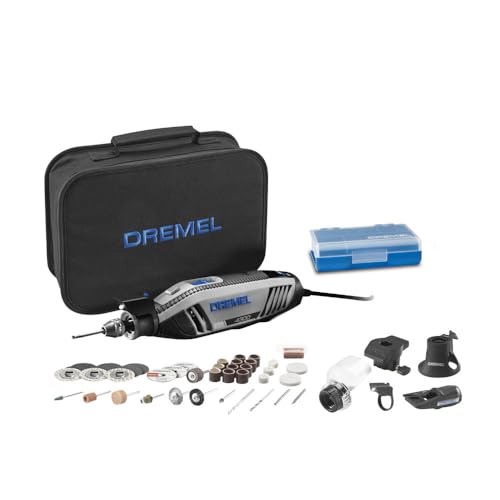
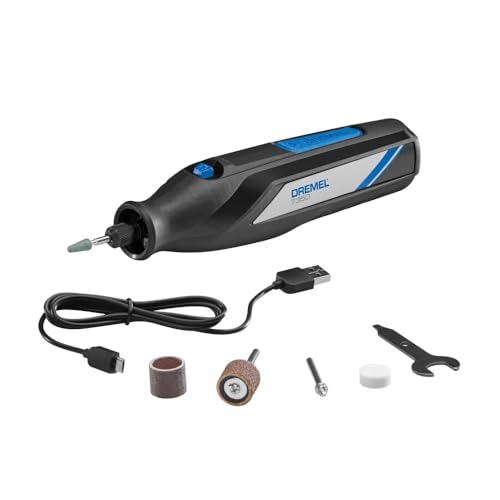
A rotary tool spins a small accessory at high speed, anywhere from about 5,000 up to 35,000 RPM on a full-size model like the Dremel 4300-5/40. The body houses the motor, a variable-speed dial, and a collet or chuck at the nose that grips the accessory. Corded models such as the 4300 deliver constant power for long sessions, while cordless units like the Dremel 8240 12V and the lightweight 7350 4V trade some runtime for cord-free freedom.
Essential Accessories and What They Do
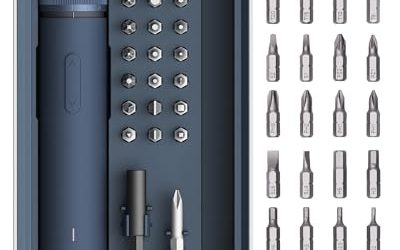
The accessories are where the versatility lives. A beginner kit like the Dremel 4300-5/40, which includes 40 accessories and 5 attachments, covers nearly every base. Here are the core types:
- Cut-off wheels: Thin discs for slicing bolts, screws, and sheet metal in tight spots.
- Sanding drums and bands: For smoothing wood edges and removing rust or paint.
- Grinding stones: For sharpening blades and shaping metal.
- Polishing wheels and compound: For bringing chrome and plastic to a shine.
- Engraving and carving bits: For marking tools or detailing wood, as the Dremel Stylo+ specializes in.
Matching Speed to the Material
Speed control is the skill that separates clean results from burned, gummed-up messes. High speed suits cutting metal and hard materials, while lower speeds prevent melting plastic and scorching wood. Variable-speed models like the Dremel 3100-1/15 and 4000-2/32 let you dial it in: run cut-off wheels fast, but drop to a low or medium setting for polishing and for soft materials that heat up quickly.
Your First Garage Projects
Start simple to build a feel for the tool. Good beginner projects include cutting a rusted bolt you cannot reach with a hacksaw, sanding a rough wooden edge on a shelf, polishing oxidized headlight lenses, engraving your initials on tools to deter theft, and sharpening a dull lawnmower blade or garden shears. Each teaches control of pressure and angle without demanding perfection. A cordless kit like the Dremel Lite 7760 is especially handy for these quick, roam-around tasks.
Tips
- Let the tool do the work: Apply light pressure and let the RPM cut; pushing hard bogs the motor and snaps accessories.
- Secure your workpiece: Clamp small parts in a vise so both hands stay on the tool for control.
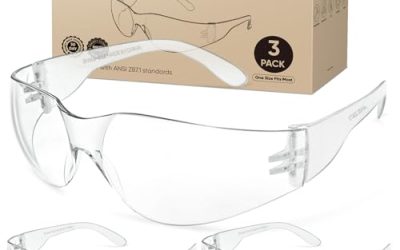
- Wear eye protection: Cut-off wheels can shatter and throw fragments, so safety glasses are non-negotiable.
- Seat accessories fully: Insert bits deep into the collet and tighten firmly to prevent dangerous wobble at high speed.
Frequently Asked Questions
Corded or cordless, which is better for a beginner?
Corded models like the Dremel 4300 give unlimited runtime and consistent power for longer projects, while cordless units such as the 8240 offer freedom for quick jobs. Beginners doing varied garage work often prefer a corded tool for its steady power, then add a cordless later.
What speed should I use for cutting metal?
Use a high speed, typically near the tool’s maximum, with a reinforced cut-off wheel for metal. High RPM lets the wheel slice cleanly; too slow and it grabs and wears out faster. Always let the wheel reach full speed before touching the workpiece.
Why do my accessories wobble or fly out?
They are not seated or tightened properly in the collet. Insert the shank fully, tighten the collet nut firmly with the included wrench, and confirm you are using the correct collet size for that accessory’s shank diameter.
Can a rotary tool replace a full-size grinder or drill?
For small, detailed work, yes, but not for heavy jobs. A rotary tool excels at precision cutting, engraving, and polishing in tight spaces, while a full-size angle grinder or drill handles large material removal and big holes far faster.
Conclusion
A rotary tool rewards a little practice with enormous versatility, and there has never been a better time to start than 2026. Pick a variable-speed kit with a good accessory assortment, like the Dremel 4300-5/40 for corded power or the 8240 for cordless convenience, master speed control on scrap material first, and you will soon reach for it on projects you never imagined tackling. Start small, stay safe, and let the tool’s speed do the work.