Key takeaways
- Extraction, not just wetting: If a machine sprays but doesn’t vacuum the liquid back, you’re pushing soil deeper into the jute backing. Look for a spray-and-suction cycle in one tool head, with a clean tank and a separate recovery tank.
- Suction figures in kPa: Marketing loves big numbers, but kPa (sealed suction) tells you how much water leaves the fiber. Higher sealed suction means shorter dry times, which is the difference between a fresh cabin and a musty one.
- Nozzle width and reach: Footwells, seat rails, and the trench under the pedals need a narrow 3–4 inch head. Wide floor tools simply can’t seal against curved automotive carpet. Check cord and hose length too — 15 to 20 feet keeps the machine on the ground instead of on your seat.
- Residue behavior of the chemical: Cheap detergents leave a tacky surfactant film that grabs dirt faster than the original fiber did. Choose low-residue extractors, or plan a clear-water rinse pass to flush what you sprayed.
- Self-cleaning and storage: A hose full of dirty water breeds odor. Rinse-through tools and drainable tanks keep the machine usable on the next project instead of becoming a shelf ornament.
What's inside
Car carpet is a trap. Unlike a living room floor, it sits under a metal pan, bakes in a closed cabin, and collects a slurry of road salt, spilled oat milk, french fry grease, and dog hair pressed in by boot heels. Most people attack it with a spray bottle and a shop rag, get a lighter version of the same stain, and then watch a brown halo bloom back a week later as the moisture wicks the soil upward again. That wicking is the tell: the dirt was loosened but never actually pulled out of the fiber.
This guide is written from the garage floor, not a lab. I’ve torn seats out for full extractions, chased coffee out of light gray cloth, and learned which tools earn their storage space. Below you’ll find six picks that cover the whole workflow — dry debris removal, chemical dwell, mechanical agitation, and hot water extraction — plus the specs that actually matter when you’re crouched in a footwell with an extension cord running out to the driveway.
As an Amazon Associate we earn from qualifying purchases.




🛒 Best Price Today on Amazon
Prime members get fast, free shipping on everything above, plus member-only deals. New members get a 30-day free trial — cancel anytime.
How to Choose a Carpet Car Cleaner (2026)
- Extraction, not just wetting: If a machine sprays but doesn’t vacuum the liquid back, you’re pushing soil deeper into the jute backing. Look for a spray-and-suction cycle in one tool head, with a clean tank and a separate recovery tank.
- Suction figures in kPa: Marketing loves big numbers, but kPa (sealed suction) tells you how much water leaves the fiber. Higher sealed suction means shorter dry times, which is the difference between a fresh cabin and a musty one.
- Nozzle width and reach: Footwells, seat rails, and the trench under the pedals need a narrow 3–4 inch head. Wide floor tools simply can’t seal against curved automotive carpet. Check cord and hose length too — 15 to 20 feet keeps the machine on the ground instead of on your seat.
- Residue behavior of the chemical: Cheap detergents leave a tacky surfactant film that grabs dirt faster than the original fiber did. Choose low-residue extractors, or plan a clear-water rinse pass to flush what you sprayed.
- Self-cleaning and storage: A hose full of dirty water breeds odor. Rinse-through tools and drainable tanks keep the machine usable on the next project instead of becoming a shelf ornament.
The Best Carpet Car Cleaners Reviewed (2026)
Starrybot Upholstery Cleaner Machine (18Kpa)
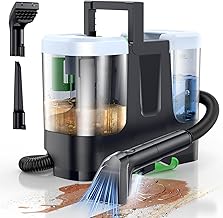
The 18Kpa rating shows up where it counts, pulling enough moisture from thick automotive cut-pile that panels feel damp rather than saturated. It’s the pick if you want one compact extractor that jumps between sofa cushions, stair edges, and a truck cab without changing your technique.
Chemical Guys Lightning Fast Stain Extractor
This is the bottle I reach for before any machine gets plugged in — spray, agitate with a stiff drill brush or hand brush, then blot or extract. It breaks the bond on tannin stains like coffee and cola without the sticky halo that cheaper foams leave, so it plays well as a pre-treat step.
BISSELL Little Green Mini 4075
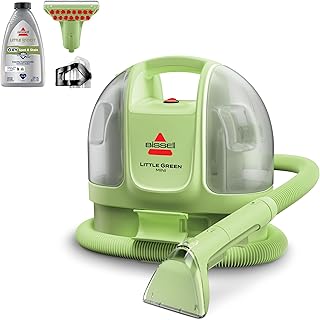
The genuinely useful feature here is HydroRinse, which flushes the internal hose so you aren’t storing a tube of stale slurry. Paired with the 4-inch tough stain tool, it’s a tidy grab-and-go unit for one-spill jobs and quick detailing between full interior resets.
Hoover CleanSlate XL
The XL earns its name with tank capacity, which matters when you’re doing an entire cabin plus a cargo area in a single session instead of refilling every eight minutes. The specialized tool set handles seat seams and edge trim better than a generic wide nozzle.
AstroAI V2 Mini Handheld Car Vacuum
Every good extraction starts dry, and this is the step most people skip. The 6000mAh battery plus 12V DC option and a 16.4 ft cord means you can pull gravel, hair, and crumbs out of the pile before introducing water — which is the single biggest factor in whether your final result looks clean or looks smeared.
Frequently Asked Questions
Can I use household carpet cleaner in a car?
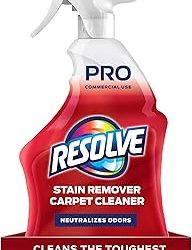
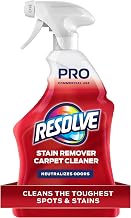
Yes, and Resolve Professional Strength is a solid budget option for spot work. Just use less than the label suggests in a closed cabin and follow with a clear-water extraction pass so surfactant doesn’t stay behind.
How long should car carpet take to dry?
Four to eight hours with windows cracked and a box fan aimed into the footwell. If it’s still damp the next morning, your extraction pass was too fast or your suction is too weak.
Do I need hot water?
Warm water improves detergent activity, but very hot water can set protein stains and shrink some backings. Aim for comfortably warm, not scalding.
Why do stains come back?
Residual soil and detergent wick up the fiber as it dries. A rinse pass and thorough extraction stop the rebound.
Final Thoughts
For a single-machine setup, the Starrybot 18Kpa extractor delivers the strongest moisture removal for the footprint, while the BISSELL Little Green Mini 4075 is the easier grab for quick spills thanks to its self-rinsing hose. Add the Chemical Guys Lightning Fast extractor as your pre-treat and you’ve got a workflow that removes stains instead of relocating them.