Key takeaways
- Match the format to the job: Machine solutions are built to be diluted and extracted; spot treatments are built to sit, dwell, and get blotted. Pouring a spray-and-blot product into a tank creates foam that clogs the recovery path and leaves residue behind.
- Do the concentrate math: A 48 oz bottle at 4X dilution stretches further than a 64 oz ready-to-mix. Divide the bottle price by the number of full tanks it yields, not by the fluid ounces, and the value ranking usually flips.
- Check machine compatibility: Most name-brand solutions are cross-compatible, but low-foam formulas matter enormously if your unit has a small recovery tank or a sensitive float shutoff. Check your manual for foam warnings before experimenting.
- Oxygen boosters versus enzymes: Oxy-based formulas excel on colored organic stains like wine, juice, and coffee. Enzyme and protein-targeting blends handle pet accidents and the odor sources buried in the backing where surfactants alone won’t reach.
- Look for protectant, then be honest about it: Post-clean fiber protection genuinely slows resoiling in hallways and entryways. It also builds up over repeated applications, so alternate with a plain formula every few cleanings.
What's inside
Anyone who has hauled a rented extractor across a living room knows the machine is only half the equation. The bottle you pour into the clean-water tank decides whether you pull up gray water and a genuinely refreshed pile, or whether you spend the next three weeks watching old traffic lanes bloom back through the fibers. Wrong formula, wrong dilution, too much surfactant left behind, and your carpet turns into a dirt magnet that looks worse than it did before you started.
I’ve run a lot of these solutions through my own machines on everything from builder-grade bedroom carpet to a wool runner that had no business surviving a dog. This guide breaks down what actually separates a good extractor concentrate from a spot treatment, how to read the dilution math before you buy, and which six bottles are worth keeping on the shelf in the utility room heading into 2026.
As an Amazon Associate we earn from qualifying purchases.


🛒 Best Price Today on Amazon
Prime members get fast, free shipping on everything above, plus member-only deals. New members get a 30-day free trial — cancel anytime.
How to Choose a Carpet Cleaner Solutions (2026)
- Match the format to the job: Machine solutions are built to be diluted and extracted; spot treatments are built to sit, dwell, and get blotted. Pouring a spray-and-blot product into a tank creates foam that clogs the recovery path and leaves residue behind.
- Do the concentrate math: A 48 oz bottle at 4X dilution stretches further than a 64 oz ready-to-mix. Divide the bottle price by the number of full tanks it yields, not by the fluid ounces, and the value ranking usually flips.
- Check machine compatibility: Most name-brand solutions are cross-compatible, but low-foam formulas matter enormously if your unit has a small recovery tank or a sensitive float shutoff. Check your manual for foam warnings before experimenting.
- Oxygen boosters versus enzymes: Oxy-based formulas excel on colored organic stains like wine, juice, and coffee. Enzyme and protein-targeting blends handle pet accidents and the odor sources buried in the backing where surfactants alone won’t reach.
- Look for protectant, then be honest about it: Post-clean fiber protection genuinely slows resoiling in hallways and entryways. It also builds up over repeated applications, so alternate with a plain formula every few cleanings.
The Best Carpet Cleaner Solutions (2026)s Reviewed
OxiClean Large Carpet Cleaner Solution, 64 oz
The oxygen-based chemistry here is the reason this bottle earns a permanent spot in my cleaning cabinet — it lifts organic staining out of the fiber twist rather than just bleaching the surface. The 64 oz size means you’re not rationing mid-project, and it plays nicely with virtually every consumer extractor I’ve tested it in.
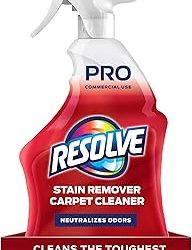
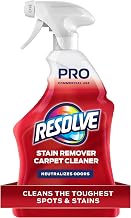
Resolve Professional Strength Spot & Stain, 32 oz
This is the bottle you keep under the sink, not in the garage: it’s a targeted pretreatment and spot fixer, and it’s genuinely excellent at that job. Spray it on traffic lanes fifteen minutes before you run the machine and you’ll see a measurable difference in what ends up in the dirty water tank.
Rug Doctor by BISSELL Max Advanced, 48 oz
Commercial-grade formulation that punches above what most homeowners need, which is exactly why it works on the stains everything else gave up on. The built-in protectant is the standout feature — treated areas resist resoiling noticeably longer, making this my pick for high-traffic family rooms.
Bissell Deep Clean Pro 4X Concentrate, 48 oz
At 4X concentration, this bottle delivers the best cost-per-tank of anything in the roundup, and the cleaning power holds up to the dilution claim. Measure carefully rather than eyeballing it; over-concentrating is the single most common way people leave sticky residue in their carpet.
Hoover Oxy Carpet Cleaner Solution, 50 oz
An oxy formula tuned for colored stains, and it doubles cleanly on upholstery, which makes it a versatile single-bottle solution for smaller homes. The Ocean Breeze scent is on the assertive side, so ventilate well if you’re sensitive to fragrance.
Frequently Asked Questions
Can I use dish soap in my carpet cleaner instead?
Please don’t. Dish detergent foams aggressively, which can flood your recovery tank and damage the motor, and the residue it leaves behind attracts soil faster than the dirt you just removed.
How much solution should I actually use per tank?
Follow the cap markings on the bottle and your machine’s fill line exactly. More solution does not mean cleaner carpet — it means more surfactant left in the fibers, which shows up as a dull, tacky film within days.
Do these work on area rugs and upholstery too?
Many do, but test an inconspicuous corner first, especially on wool, silk, or anything with unknown dye stability. Oxy formulas in particular can lighten sensitive natural fibers.
How often should I deep clean carpet?
Every 12 to 18 months for typical households, and every 6 to 12 months with pets, kids, or a busy entryway. Spot treat between deep cleans rather than running the machine constantly.
Final Thoughts
If you want one bottle that handles the widest range of problems, the OxiClean 64 oz solution is the straightforward choice. Households fighting embedded traffic lanes and pet odors should reach for the Rug Doctor by BISSELL Max Advanced for its protectant and commercial-grade punch, while anyone cleaning a large square footage on a budget will get the most tanks per dollar out of the Bissell Deep Clean Pro 4X concentrate.