Key takeaways
- Climbing mechanism: Twiners like wisteria and sky vine wrap around anything cylindrical, so they suit posts and wire runs. Adhesive climbers such as Boston ivy grip with sticky pads and are better on brick or stone than on painted wood you plan to maintain.
- Mature load: A mature wisteria trunk can weigh more than the lumber holding it. If your rafters are 2×6 or lighter, choose something in the mandevilla or jasmine range instead of retrofitting a beam later.
- Hardiness zone versus container plan: Tropical vines are gorgeous and will not survive a hard freeze in the ground. Either accept them as annuals or plant into pots you can drag into a garage.
- Deciduous or evergreen: Deciduous vines drop leaves and let winter sun through to your patio doors, which is a genuine comfort benefit. Evergreens hold privacy year round but keep the space dim in January.
- Pruning tolerance: Ask yourself honestly how often you will get the loppers out. Vigorous growers need two cuts a season to stay off your gutters and out of your shingles.
What's inside
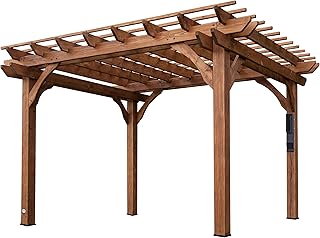
I built my pergola over a weekend with a circular saw, a bag of concrete, and more optimism than measuring. Two summers later the cedar looked great and cast almost no shade at all. Bare rafters are basically a sun grid, and if you want that dappled-light, cool-underneath feeling you saw in photos, the structure is only half the build. The living half takes longer to install and is easier to get wrong, because a vine that suits a chain-link fence can bury a pergola in three seasons or snap a rafter with sheer trunk weight.
This guide is written from the perspective of someone who has drilled the eye bolts, strung the wire, and pulled out one bad choice with a reciprocating saw. Below I walk through six vines worth planting on an overhead structure, what each one demands from your framing, and which climbing mechanism actually pairs with a wood pergola versus a masonry wall. You will also find a quick spec check to run before you buy anything, plus answers to the questions that come up once the seedlings arrive.
As an Amazon Associate we earn from qualifying purchases.




🛒 Best Price Today on Amazon
Prime members get fast, free shipping on everything above, plus member-only deals. New members get a 30-day free trial — cancel anytime.
How to Choose a Climbing Vine For Pergola (2026)
- Climbing mechanism: Twiners like wisteria and sky vine wrap around anything cylindrical, so they suit posts and wire runs. Adhesive climbers such as Boston ivy grip with sticky pads and are better on brick or stone than on painted wood you plan to maintain.
- Mature load: A mature wisteria trunk can weigh more than the lumber holding it. If your rafters are 2×6 or lighter, choose something in the mandevilla or jasmine range instead of retrofitting a beam later.
- Hardiness zone versus container plan: Tropical vines are gorgeous and will not survive a hard freeze in the ground. Either accept them as annuals or plant into pots you can drag into a garage.
- Deciduous or evergreen: Deciduous vines drop leaves and let winter sun through to your patio doors, which is a genuine comfort benefit. Evergreens hold privacy year round but keep the space dim in January.
- Pruning tolerance: Ask yourself honestly how often you will get the loppers out. Vigorous growers need two cuts a season to stay off your gutters and out of your shingles.
The Best Climbing Vine For Pergola (2026)s Reviewed
Boston Ivy Vine Seeds (50 Seeds)
Boston ivy delivers the fastest visual payoff per dollar of anything here, with overlapping foliage that turns deep scarlet in autumn and no flowers to drop into your drinks. The catch for makers is those adhesive holdfasts, so run it up masonry piers or a dedicated wire panel rather than onto wood you intend to sand and restain.
Thunbergia Grandiflora Blue Trumpet Vine (2-Pack)
Sky vine is a twining climber with sky-blue trumpet flowers that reads tropical without the aggressive woody trunk of older vines, making it a sensible match for lighter-duty framing. It moves fast in heat and humidity, and in zones below 9 it works beautifully as a one-season container performer.
Wisteria Floribunda Live Plants (3-Pack)
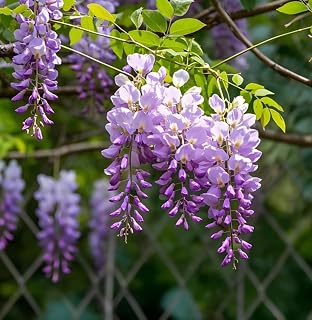
This is the classic pergola vine, with pendant flower racemes that hang straight down through the rafters exactly as you pictured. Treat it as a structural commitment: build with 6×6 posts and beefy beams, install eye bolts and cable before planting, and commit to twice-yearly pruning from year one.
Mixed Mandevilla Live Plants (3-Pack)
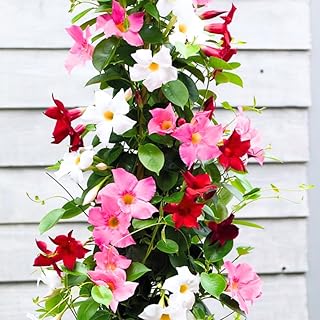
Mandevilla is the low-consequence option, throwing months of trumpet blooms from a plant that stays manageable and will never threaten your joinery. Give it a trellis or string to grab, keep it in a container on the sunniest corner of the deck, and overwinter it indoors in colder zones.
American Purple Wisteria Live Plant
The American species is noticeably better mannered than Asian wisteria while still giving you those lavender trailing clusters, which makes it my recommendation for anyone nervous about a runaway vine. Starting from a small potted plant means a slower first two years, but it establishes with less shock and trains more easily onto your wire runs.
Frequently Asked Questions
How much weight can a standard pergola hold?
A pergola built to typical residential spec with 6×6 posts and 2×8 beams handles most flowering vines fine. Mature wisteria is the exception, so add a mid-span beam or shorten your rafter spans if that is your pick.
Should I attach wire or plant directly against the posts?
Run stainless cable or vine eyes with a small standoff from the wood. The gap allows airflow, prevents moisture trapping against your lumber, and lets you unhook growth when it is time to refinish.
How long until I actually get shade?
Fast tropicals like mandevilla and sky vine cover meaningfully in one season. Wisteria and Boston ivy typically need two to three years to fill a full canopy, and wisteria may not bloom until year three.
Can I grow these in containers on a deck?
Mandevilla, sky vine, and jasmine all perform well in large pots with drainage and consistent watering. Wisteria in a container needs aggressive root pruning and is genuinely better in the ground.
Final Thoughts
If you built heavy and want the postcard result, the Wisteria Floribunda three-pack is the one to plant, with American Purple Wisteria as the calmer alternative for lighter framing. For fast coverage this season with zero risk to your structure, the mixed Mandevilla plants or the Climbing Jasmine seeds will get you shade and scent without a chainsaw in your future.