Key takeaways
- Measure the actual footprint, not the mattress: Twin mattresses are 38×75 inches, but frames with arms, guardrails, or upholstered backs add 3-6 inches per side. Chalk the outline on your floor before ordering and leave at least 24 inches of walking clearance on the open side.
- Decide between trundle and storage: You can rarely have both. A pull-out trundle doubles sleeping capacity but requires clear floor space to deploy and gives up all under-bed storage. Drawers keep the footprint fixed but need swing room to open fully.
- Check slat spacing and support: Look for steel or hardwood slats spaced no more than 3 inches apart. Wider gaps let foam mattresses sag between supports, and a center leg or support rail is non-negotiable if the bed will see daily seating.
- Audit the hardware before you commit: Frames that use cam locks and thin bolts loosen over time. Welded steel joints or thick machine bolts with lock washers stay tight. Keep the included wrench, but a socket driver makes assembly and future retightening far easier.
- Plan for outlets and cable routing: Built-in charging stations only help if the frame’s power cord reaches a wall receptacle. Confirm cord length and note whether the USB ports face into the room or get buried against the headboard.
What's inside
Anyone who has tried to squeeze a guest bed into a 10×10 room knows the math rarely works. A daybed is supposed to solve that by doing double duty as a sofa by day and a bed by night, but the wrong one eats up just as much floor space as a standard frame while offering less comfort. I’ve assembled enough flat-pack furniture in tight bedrooms and studio apartments to know that the details matter more than the marketing photos: how far the frame sits from the wall, whether the slats rattle when someone shifts at 2am, and whether that trundle actually clears the baseboard heater.
This guide breaks down six daybeds that genuinely earn their footprint in small rooms, from bare-bones steel platforms that vanish under a fitted mattress to storage-heavy corner units built for kids’ rooms where every cubic inch counts. I’ve flagged assembly quirks, real-world clearance issues, and which frames hold up to being sat on daily versus which are better reserved for occasional overnight guests.
As an Amazon Associate we earn from qualifying purchases.


🛒 Best Price Today on Amazon
Prime members get fast, free shipping on everything above, plus member-only deals. New members get a 30-day free trial — cancel anytime.
How to Choose a Daybed For Small Spaces (2026)
- Measure the actual footprint, not the mattress: Twin mattresses are 38×75 inches, but frames with arms, guardrails, or upholstered backs add 3-6 inches per side. Chalk the outline on your floor before ordering and leave at least 24 inches of walking clearance on the open side.
- Decide between trundle and storage: You can rarely have both. A pull-out trundle doubles sleeping capacity but requires clear floor space to deploy and gives up all under-bed storage. Drawers keep the footprint fixed but need swing room to open fully.
- Check slat spacing and support: Look for steel or hardwood slats spaced no more than 3 inches apart. Wider gaps let foam mattresses sag between supports, and a center leg or support rail is non-negotiable if the bed will see daily seating.
- Audit the hardware before you commit: Frames that use cam locks and thin bolts loosen over time. Welded steel joints or thick machine bolts with lock washers stay tight. Keep the included wrench, but a socket driver makes assembly and future retightening far easier.
- Plan for outlets and cable routing: Built-in charging stations only help if the frame’s power cord reaches a wall receptacle. Confirm cord length and note whether the USB ports face into the room or get buried against the headboard.
The Best Daybed For Small Spaces (2026)s Reviewed
DICTAC Corner Twin Bed with Bookcase Headboard and LED Lights
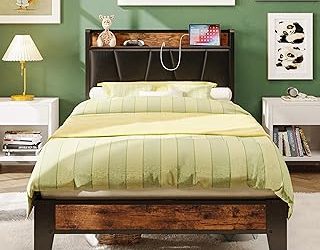
This corner frame tucks the mattress against two walls and puts the wasted corner to work with bookcase shelving, two drawers, and integrated LED strips. It’s the strongest pick for a kid’s or teen’s room where a nightstand simply won’t fit, though the assembly runs long and benefits from a second set of hands.
DICTAC Corner Twin Bed with 6 Storage Drawers
Six drawers plus open shelving means this frame can genuinely replace a dresser, which is the real win in a bedroom under 100 square feet. The upholstered guardrail is a thoughtful touch for restless sleepers, but measure your drawer clearance carefully because the pulls need unobstructed room to slide.
BOFENG Metal Daybed Frame Twin
A no-frills steel platform with reinforced slats and a genuinely quiet build, this is the daybed to buy when you want the mattress and bedding to be the visible design element. The slim black tubing reads almost transparent in a small room, and it needs no box spring.
HOMERECOMMEND Metal Daybed Frame Twin
Essentially a box-spring replacement with a backrest, this frame is the most straightforward path from flat-pack box to functional sofa bed in about 30 minutes. Ideal for a home office corner or guest room that doubles as a workspace.
Twin Upholstered Daybed with Trundle
The button-tufted back and piped, waved arms make this the only pick here that reads as furniture rather than a bed frame, so it survives daylight scrutiny in a living room. The solid wood frame and included trundle mean it sleeps two without adding a single inch to the daytime footprint.
Frequently Asked Questions
Do daybeds need a box spring?
No. Every frame in this roundup uses a slat platform designed to support the mattress directly. Adding a box spring raises the sleeping surface uncomfortably high and defeats the sofa-like proportions.
What mattress thickness works best?
Aim for 6-10 inches. Thinner mattresses feel like a bench when seated, and anything over 10 inches buries the backrest and makes the bed awkward to sit on.
Can a daybed handle daily use as a couch?
Steel-welded and solid-wood frames can. Frames relying entirely on cam-lock joinery will loosen within months of daily seating, so retighten hardware every few months regardless.
How much clearance does a trundle need?
Plan on 40 inches of clear floor in front of the daybed. Pop-up trundles like the LIKIMIO also need vertical clearance to lift into position.
Final Thoughts
For maximum storage in the smallest footprint, the DICTAC corner frame with six drawers is hard to beat. If you want something that looks like a sofa and sleeps two, the upholstered trundle daybed is the better choice, and the BOFENG steel platform remains the cleanest budget option for anyone who just needs a quiet, solid foundation.