Key takeaways
- Check your deck’s load path first: A hardtop gazebo adds roughly 400 to 900 pounds of dead load plus snow. Get under the deck and confirm you can land each post over or adjacent to a beam or doubled joist. If you can’t, plan on adding blocking and a knee wall or sistered joists — cheaper and faster than discovering deflection after the roof is up.
- Post thickness and base hardware: Thicker posts (the 4.72″ class) resist twisting and give you more meat for lag screws. Look at the included base brackets: many kits ship with anchor plates sized for concrete wedge anchors, which are useless on decking. Budget for structural through-bolts or timber screws rated for wood-to-wood connections.
- Single vs. double galvanized roof: A vented double roof drops the temperature underneath noticeably and relieves wind pressure instead of trying to fight it. Single peak roofs are simpler to assemble solo and shed snow more aggressively — worth considering in heavy-snow regions.
- Footprint versus board direction: Measure your usable deck area minus railing and stair access, then confirm the gazebo’s actual post-to-post dimension, not the roof overhang spec. A 12×16 needs a genuinely large deck; a 10×12 fits most rear decks with room to walk around the perimeter.
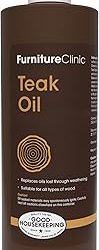
- Finish plan and end-grain sealing: Cedar ships raw or lightly treated. Seal every cut end and the post bottoms with a penetrating oil before assembly — post bases trap water against the decking and that’s where rot starts, not on the exposed faces.
What's inside
A deck gazebo lives a harder life than one planted on a concrete pad. It has to bolt into a framed structure you didn’t design, sit level on boards that crown and cup with the seasons, and shed snow load onto joists that were probably sized for a grill and six chairs. Most buyers discover this halfway through the build, standing on a ladder with a 60-pound roof panel and no blocking under the post base. The gazebo itself is rarely the problem — the connection between it and the deck is.
This guide approaches the category the way you’d approach any structural add-on: what the kit gives you, what you’ll need to supply, and where the assembly instructions gloss over the parts that matter. I’ve focused on cedar-post hardtop pavilions in the 10×12 range plus one larger and one all-metal option, and I flag the fastening and framing considerations for each so you can plan the deck side of the job before the pallet arrives.
As an Amazon Associate we earn from qualifying purchases.


How to Choose a/an Deck Gazebo (2026)
- Check your deck’s load path first: A hardtop gazebo adds roughly 400 to 900 pounds of dead load plus snow. Get under the deck and confirm you can land each post over or adjacent to a beam or doubled joist. If you can’t, plan on adding blocking and a knee wall or sistered joists — cheaper and faster than discovering deflection after the roof is up.
- Post thickness and base hardware: Thicker posts (the 4.72″ class) resist twisting and give you more meat for lag screws. Look at the included base brackets: many kits ship with anchor plates sized for concrete wedge anchors, which are useless on decking. Budget for structural through-bolts or timber screws rated for wood-to-wood connections.
- Single vs. double galvanized roof: A vented double roof drops the temperature underneath noticeably and relieves wind pressure instead of trying to fight it. Single peak roofs are simpler to assemble solo and shed snow more aggressively — worth considering in heavy-snow regions.
- Footprint versus board direction: Measure your usable deck area minus railing and stair access, then confirm the gazebo’s actual post-to-post dimension, not the roof overhang spec. A 12×16 needs a genuinely large deck; a 10×12 fits most rear decks with room to walk around the perimeter.
- Finish plan and end-grain sealing: Cedar ships raw or lightly treated. Seal every cut end and the post bottoms with a penetrating oil before assembly — post bases trap water against the decking and that’s where rot starts, not on the exposed faces.
The Best Deck Gazebo (2026)s Reviewed
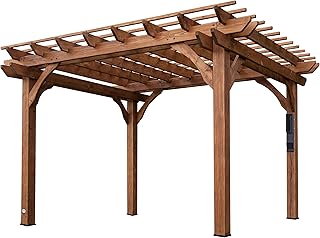
Wood Gazebo 10′ x 12′ Cedar with Hardtop Double Roof
The 4.72″ thickened posts are the headline here, and they earn it — you get real bearing surface for structural screws and far less seasonal twist than thinner stock. The vented double galvanized roof handles poolside heat and gusts well, and the 10×12 footprint drops onto a standard rear deck without eating your traffic paths.
Modern Shade 12×16 Cedar Gazebo
Genuinely large, and the pre-installed mosquito net rods and hooks are the feature most kits skip — retrofitting curtain hardware into cedar after the fact is fussy work. Only consider this if your deck framing is built for it; at 192 square feet of roof, snow load is a real calculation, not a rounding error.
10×12 Cedar Wood Gazebo with Peak Roof
The steeper galvanized peak roof is the smart choice in snow country, shedding accumulation rather than holding it. Assembly is straightforward for two people, and the UV-stable panels keep the underside comfortable through afternoon sun.
Jocisland 10′ x 12′ Cedar Gazebo
The sloped roof geometry sits lower than the peaked designs, which helps if you have second-floor windows or soffit clearance to work around. Rot-resistant cedar throughout and clean, well-labeled hardware make this one of the less frustrating builds in the category.
GUNJI 10′ x 12′ Wooden Gazebo
Ships unfinished so you choose the stain or paint, which is a real advantage if you’re matching existing deck color. The double metal roof is rustproof and rated for snow load, and the raw cedar means you can seal post bottoms properly before anything gets bolted down.
Frequently Asked Questions
Can my existing deck support a hardtop gazebo?
Often yes, but verify rather than assume. Inspect joist size, span, and spacing, and confirm posts will land over structural members. Older decks or anything with visible bounce should be reinforced or reviewed by a contractor before you add several hundred pounds plus snow.
How do I anchor posts to decking instead of concrete?
Skip the included concrete anchors. Use structural timber screws or carriage bolts through the post base into solid blocking beneath the deck boards, and bed the base on a shim or standoff so water drains rather than pooling.
Do I need a permit?
Frequently, yes — a permanent roofed structure changes your deck’s classification in many jurisdictions. Call your building department before ordering; it’s a short conversation that avoids an expensive one.
How long does assembly take?
Plan a full weekend with two people for a 10×12, longer for a 12×16 or if you’re staining first. Pre-drill every cedar connection and dry-fit the roof frame before final tightening.
Final Thoughts
For most decks, the 10′ x 12′ cedar hardtop with 4.72″ thickened posts is the strongest all-around pick — the post stock alone makes fastening to a framed deck far more secure. Choose the 10×12 peak-roof cedar model if you deal with real snow, or the Modern Shade 12×16 if your framing is up to it and you want built-in netting hardware from day one.