
Our Top Picks
 Rubbermaid FastTrack Garage Wall-Mounted Storage System6 Rails, 18 Hooks7.6 x 5.5 x 49.9 inches26 PoundsCheck on Amazon
 FLEXIMOUNTS 2-Pack 2x6ft Garage Shelving 24-inch-by-72-inch Heavy Duty2 pack-2x6 ft_0 hooks0 x 0 x 0 Inches58 poundsCheck on Amazon

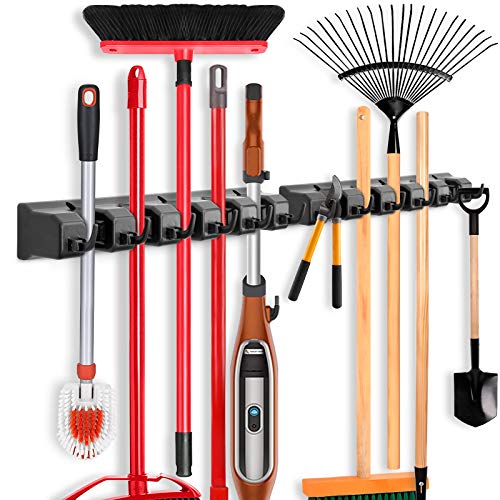
The short answer: the best garage wall organizer is the system that matches your wall, your heaviest items and the way you actually use the space. Track rails with movable hooks suit mixed gear and heavy tools. Slatwall panels give a flexible, tidy look. Pegboard is inexpensive and good for light hand tools. Fixed shelves suit bins and paint cans, and simple hooks handle ladders, hoses and bikes. Whatever you choose, the load rating and the way it is fastened to studs or masonry matter far more than appearance.
This guide does not rank products. It explains the main systems, what to check on the wall before you buy, how to plan zones, and how to stay safe while installing and loading heavy gear. Use it to narrow your search, then read current listings and manufacturer instructions for exact load limits and fixing requirements.
What this guide covers
- Plan before you buy
- Main types of garage wall organizers
- Know your garage walls
- Planning zones for your gear
- Comparison table
- Installation basics
- Buyer checklist
- Mistakes to avoid
- Garage safety
- FAQ
- Bottom line
Plan before you buy
Garages collect things quietly. Over a few years, paint cans, garden tools, sports gear, bikes, holiday boxes and half-finished projects pile up until the car no longer fits. Wall organizers offer the biggest gain because walls are the largest unused surface in the room, but they work only when the plan comes first.
Begin by emptying a section of the garage and sorting everything into groups: tools, garden, sports, cleaning, automotive, seasonal and discard. Decide what to keep, donate or dispose of properly. Leftover paint, solvents, fuel and old batteries need correct disposal through local services, not the trash.
Next, think about weight and frequency. Heavy and often-used items should be at a comfortable height. Light and rarely used items can go high. Anything that can fall on someone, such as a loaded shelf, deserves extra care in positioning.
Finally, consider the car, the doors and the way you walk around. Mark where the vehicle doors open, where the garage door tracks run, and where you need clear floor. A beautiful wall system is useless if it blocks the car door or the path to the house.
Main types of garage wall organizers
Track rail systems
A track system uses horizontal rails fixed to the wall, with hooks, baskets, shelves and holders that slide or lock into place. You can rearrange accessories as your needs change. They are good for heavy and varied gear, such as ladders, power tools and bikes, because the rails spread the load across multiple fixings. Check the rail’s stated load rating, and note that accessories have their own limits too. Compare garage track wall systems to see how the accessories differ.
Slatwall panels
Slatwall uses grooved panels covering the wall, with hooks and accessories that slot into the grooves. It looks clean and finished, and it covers uneven or unattractive walls. The panel material, the thickness and the spacing of fixings determine strength, so follow the instructions closely. Slatwall suits a workshop corner or a display-style garage, and it can hold a lot if properly fixed to studs.
Pegboard
Pegboard is the budget classic: a perforated board with hooks that push through. It suits light hand tools, tapes, small garden tools and cords. It is not for heavy items, because hooks can pull out or the board can crack. Fix it through a spacer or furring so hooks have room behind the board, and screw it into studs at several points. Browse garage pegboard kits for panels and hook sets.
Wall-mounted shelves
Fixed shelves are best for bins, paint cans, car care products and boxes. Steel brackets or sturdy ledge designs carry more than thin decorative brackets. Pay attention to shelf depth, since deep shelves hold more but can intrude on walking space. Use lipped or railed shelves where items could slide off, and keep heavy things at lower levels.
Individual hooks, racks and holders
Dedicated holders solve awkward items. Wall hooks hold hoses, extension cords and ladders. Horizontal bike hooks or racks hold bicycles by the wheel or frame. Tool holders keep rakes, shovels and brooms upright. Specialized racks hold sports equipment such as balls, rackets and helmets. Use sturdy fixings and check each item’s stated capacity. A few garage bike wall hooks can free an entire floor corner.
Cabinets and closed storage
Wall cabinets hide clutter, keep dust off, and can be locked to protect chemicals and sharp tools from children. They are heavy when loaded, so they need secure fixing to studs or masonry. Check the cabinet’s rated load and the supplied fixing hardware, and read the instructions on how to mount to the wall type you have.
Know your garage walls
The wall is the foundation of any organizer, and garages come with several wall types. Find out what you have before choosing a system.
Bare studs. If the garage has exposed framing, you can fix directly to the studs or add horizontal boards for flexible placement. This is usually the strongest option, though it needs care to place boards correctly.
Drywall over studs. The most common arrangement. Drywall alone cannot carry heavy loads, so fixings must go into studs. Use a stud finder, mark each stud, and consider fixing a horizontal board through the drywall into the studs to give a continuous mounting surface.
Concrete block or poured concrete. These walls hold heavy loads with the correct masonry fixings. Use the right drill bit and anchors for the material, and wear proper protection. Hollow blocks need anchors designed for hollow construction.
Brick. Brick holds well, but old mortar can crumble. Drill into the brick rather than the mortar where possible, and test a hole before committing.
Plywood or sheathing. Some garages have panels over studs. Panels alone may be weaker than expected, so locate the studs behind them.
Damp, moisture and temperature swings also matter. Garages can be humid, cold or hot, which is hard on some materials. Wood and engineered boards can swell in damp conditions, and metal can rust if the finish is thin. Choose materials suited to the climate, and look for corrosion-resistant coatings in humid areas.
Planning zones for your gear
The tool zone
Place everyday hand tools at chest height near a workbench, if you have one. A track or slatwall panel suits this well. Keep sharp tools pointing down or safely enclosed, and use holders designed for the shape of each tool.
The garden zone
Long-handled tools such as rakes and shovels hang by their handles or stand in a rack. Hoses coil on a wide hook or reel. Put the garden zone near the door you use to reach the yard, so the walk is short.
The sports and bike zone
Bikes hang from hooks or racks, and helmets sit on pegs. Place bike hooks at a height that you can lift to comfortably, and leave enough space between bikes so handlebars do not tangle. Children’s gear belongs low, so they can help put things back.
The chemical and car-care zone
Paint, solvents, fertilizer, cleaners and automotive fluids need a closed, preferably locked cabinet or a high shelf, away from heat and from children. Keep them in original labelled containers, and place a tray beneath to catch leaks.
The seasonal zone
Holiday decorations, camping gear and out-of-season items go in labelled bins on high or rear shelves. Use clear bins or labels to find things without taking everything down.
Comparison table
This table is general. Always confirm the product’s stated load rating and fixing instructions.
| System | Best for | Strength | Watch out for |
|---|---|---|---|
| Track rails | Mixed and heavy gear | Flexible layout, load spread over studs | Accessory limits, cost of add-ons |
| Slatwall panels | Tidy workshop look | Covers poor walls, easy reconfiguring | Panel thickness, stud fixing |
| Pegboard | Light hand tools | Inexpensive and quick | Hooks pulling out, board cracking |
| Wall shelves | Bins, paint, boxes | Simple and strong with good brackets | Shelf depth, bracket quality |
| Hooks and racks | Ladders, bikes, hoses | Solves awkward shapes | Individual capacity, wall fixing |
| Wall cabinets | Chemicals, small items | Closed and lockable | Weight when full, secure mounting |
Installation basics
A good installation takes patience. Read the manufacturer’s instructions before starting, because specific products have specific requirements.
Gather the right tools. A stud finder, level, tape measure, drill, appropriate bits, a socket set and a pencil are the basics. For masonry, you need a suitable drill and bits. Wear safety glasses, gloves where appropriate, and hearing and dust protection.
Mark the studs. Run the stud finder across the wall and mark each stud’s center. Confirm by checking a second way, such as knocking, or measuring from a known stud.
Plan the layout on the wall. Use painter’s tape or a pencil to outline the zones. Hold hooks and shelves up to see how items hang, and leave extra space for items you may buy later.
Install the rails or panels first. Fix them level, into studs or suitable masonry anchors, at the spacing the manufacturer specifies. Re-check the level after each fixing, then tighten fully.
Add accessories gradually. Put the heaviest items on first, near the lowest points. Test each by gently pulling downward before loading it.
Re-check after a few weeks. Fixings can loosen as loads settle and temperatures change. A quick inspection and tightening keeps everything secure.
If you are not confident about drilling into walls, especially where wiring or pipes may run, ask a qualified professional for help.
Buyer checklist
- I know my wall type and where the studs or masonry are.
- I have listed my heaviest items and compared them to the stated load ratings.
- I have chosen a system that suits the mix of gear, not just the look.
- Rails, panels and brackets are made of materials that suit a damp or cold garage.
- The listing states load limits for the rail or panel and for each accessory.
- The fixings supplied suit my wall, or I have bought suitable ones.
- Vehicle doors, garage door tracks and walkways remain clear.
- Hazardous materials have a closed or locked place, away from heat and children.
- I have planned zones by use, with heavy items low and frequent items at easy height.
- I have left room to expand later.
- Return terms are clear in case of a poor fit.
- I have checked current specifications and manufacturer instructions.
Mistakes to avoid
Fixing into drywall only. Drywall cannot carry heavy loads on its own. Always reach the studs or use anchors designed for the load, according to the instructions.
Ignoring accessory limits. A strong rail does not make a weak hook strong. Check each accessory’s stated capacity.
Mounting too high. Heavy items placed overhead are harder to lift and more dangerous to drop. Keep heavy items between knee and shoulder height.
Blocking the vehicle. Park the car, open the doors fully, and mark the limits before drilling. Leave comfortable walking space.
Buying everything at once. A full system purchased before you know what fits can lead to unused accessories. Start with the core track or panels, then add pieces as needs become clear.
Storing chemicals carelessly. Open containers, leaking cans and unlabelled bottles are a hazard. Keep them closed, labelled and secured.
Overlooking moisture. Raw wood and thin metal in a damp garage can warp or rust. Seal or choose coated materials.
Garage safety
The garage holds heavy tools, chemicals, vehicles and sometimes fuel, so organizing it is also a safety project. These points matter more than any aesthetic choice.
Load and fixings. Falling shelves, cabinets and racks can cause serious injury. Stay within the stated limits, use fixings suited to your wall, and fix into studs or proper masonry. When in doubt, reduce the load or ask a professional. Do not rely on stick-on or light fixings for heavy gear.
Hidden hazards when drilling. Garages often have wiring, conduit and pipes in the walls, especially near outlets, the water heater and the door opener. Check for services before drilling, switch off power if you are uncertain, and use a detector designed for the job.
Chemicals and fuel. Keep paint, solvents, fertilizers and fuel in original labelled containers, in a closed or locked space away from children, pets and heat sources. Follow the label and local rules for storage amounts and disposal. Never store flammable products near the water heater, a furnace or other ignition source.
Fire safety. Keep a suitable extinguisher in an accessible place, and keep walking routes and exits clear. Do not stack flammable items close to heaters or electrical panels, and keep clear space around the panel as required by local guidelines.
Ladders and bikes. Heavy items hung overhead must be lifted with care. Use both hands and, for heavy bikes or ladders, ask someone to help. Do not hang items where they can swing into the car or a person.
Sharp tools. Store blades, saws and chisels in closed or covered holders, and keep them out of reach of children. A locked cabinet is a sensible option in homes with young children.
Vehicle clearance. Make sure nothing protrudes into the path of car doors, mirrors or the garage door itself. Check clearances with the car parked, and avoid anything that could scratch or snag.
Dust and fumes. Sanding, painting and chemical use call for good ventilation and appropriate protection. Never run an engine in a closed garage, because exhaust fumes are dangerous. A carbon monoxide alarm is a sensible precaution where the garage is attached to the house.
FAQ
1. What is the best garage wall organizer for heavy tools?
Track rail systems and well-fixed slatwall suit heavier tools, because the load is spread over several studs. Check each accessory’s stated limit, and avoid pegboard for anything heavy.
2. Can I install a garage wall organizer without finding studs?
Light items may be fine with proper anchors, but heavy loads need studs or masonry. Check the product instructions for what the fixings are rated for, and use a stud finder.
3. Is pegboard strong enough for a garage?
For light hand tools, yes. For heavy items, it is a weak choice. Fix it into studs with spacers, and keep the weight low.
4. How high should I mount garage storage?
Keep everyday items between knee and shoulder height, and heavy items low. Reserve high spots for light, rarely used items, and avoid overhead storage that you cannot safely reach.
5. What is the difference between slatwall and track systems?
Slatwall covers the wall with grooved panels, giving a finished look. Track systems use separate rails with accessories that slide in. Both are flexible, so choose according to look, budget and wall condition.
6. How do I store bikes on the wall?
Use hooks or racks rated for the bike’s weight, fixed into studs or masonry. Leave space between bikes, and lift them carefully. Heavy e-bikes may be better stored on a floor stand.
7. How should I store paint and chemicals?
Keep them in original, labelled and sealed containers in a closed or locked cabinet away from heat and children. Follow label instructions and local disposal rules.
8. Will garage humidity damage my organizer?
It can. Raw wood may swell and thin metal can rust. Choose coated or sealed materials, and wipe surfaces if condensation forms, particularly in a damp garage.
Bottom line
The best garage wall organizers suit the wall behind them and the weight on them. Check the wall type, find the studs, choose a system that fits your mix of gear, and keep heavy items low and fixings strong. Give chemicals a closed, secure place, and keep walkways and vehicle doors clear. Specifications and limits vary, so check current product details and instructions before you buy. When you are ready to compare, look at garage wall shelves and garage tool holders and check them against the list above.
Disclosure: As an Amazon Associate, we earn from qualifying purchases. Links marked as sponsored may earn us a commission at no extra cost to you.
More from Amazon
Programs that pair well with the guide above. Offers and eligibility are set by Amazon and may change.
A free business account with business pricing and bulk-buying tools for work, shop or home office.
Create a business accountFree shipping on eligible items, Prime Video and more. Eligible new members can start with a free trial.
Start a Prime free trialAudiobooks and podcasts to listen to on the go. Eligible new members can start with a free trial.
Try Audible freeAd-free music streaming. Eligible new subscribers can start with a free trial.
Try Music Unlimited freeAs an Amazon Associate we earn from qualifying purchases.
