Key takeaways
- Roof system: Galvanized steel or aluminum panels shed snow and survive hail; polyester canopies need seasonal removal. Check the stated snow load in pounds, not vague “heavy duty” claims, and confirm there are drain channels rather than flat seams that pool water.
- Frame material and post thickness: Pressure-treated spruce and cedar look warm but need annual sealing. Powder-coated aluminum won’t rot or rust. Post dimensions matter more than material alone — anything under 3 inches square will feel flexible in gusts.
- Anchoring method: Concrete slabs take wedge anchors, decks take lag screws into joists (not decking boards), and soil needs auger stakes or poured footings. Verify the kit includes hardware for your surface, because most ship for one scenario only.
- Realistic assembly demands: Wooden hardtops routinely take two people 8 to 12 hours. Aluminum kits go faster. Pop-ups are minutes. Budget a helper, a level, a drill with a clutch, and a set of clamps regardless of what the manual claims.
- Clearance and permits: Measure eave overhang, not just the deck size, and check setback rules from property lines. Permanent structures over roughly 120 square feet often trigger a permit in US municipalities.
What's inside
Anyone who has spent a Saturday wrestling a flat-pack pavilion onto a patio slab knows the real problem with gazebo kits: the box says “easy assembly” and the instruction sheet says otherwise. Post hardware doesn’t line up, the roof panels arrive with a crease, and nobody tells you that a 10×12 footprint needs closer to 14 feet of clearance once you account for eaves and guy lines. The gap between marketing photos and a level, square, weather-tight structure is mostly about picking the right kit before you ever pick up a socket wrench.
This guide looks at gazebo kits the way a builder would: what the frame is actually made of, how the roof sheds water and snow, whether the anchoring system suits a deck or a slab or bare soil, and how many hours of real labor you’re signing up for. We’ve grouped picks across hardtop wood, aluminum, cedar pergola, steel soft-top, and pop-up categories so you can match the structure to your site and your skill level.
As an Amazon Associate we earn from qualifying purchases.


How to Choose a/an Gazebo Kit (2026)
- Roof system: Galvanized steel or aluminum panels shed snow and survive hail; polyester canopies need seasonal removal. Check the stated snow load in pounds, not vague “heavy duty” claims, and confirm there are drain channels rather than flat seams that pool water.
- Frame material and post thickness: Pressure-treated spruce and cedar look warm but need annual sealing. Powder-coated aluminum won’t rot or rust. Post dimensions matter more than material alone — anything under 3 inches square will feel flexible in gusts.
- Anchoring method: Concrete slabs take wedge anchors, decks take lag screws into joists (not decking boards), and soil needs auger stakes or poured footings. Verify the kit includes hardware for your surface, because most ship for one scenario only.
- Realistic assembly demands: Wooden hardtops routinely take two people 8 to 12 hours. Aluminum kits go faster. Pop-ups are minutes. Budget a helper, a level, a drill with a clutch, and a set of clamps regardless of what the manual claims.
- Clearance and permits: Measure eave overhang, not just the deck size, and check setback rules from property lines. Permanent structures over roughly 120 square feet often trigger a permit in US municipalities.
The Best Gazebo Kit (2026)s Reviewed
GUNJI 10′ x 12′ Wooden Gazebo
A genuine permanent pavilion with a double galvanized steel roof over solid timber framing, which is the combination that survives real winters rather than one mild season. Expect a full weekend build with a partner and pre-drill every fastener — the wood is dense enough that skipping that step splits rails.
PURPLE LEAF Hardtop Gazebo 10′ x 12′
The 1800 lb snow rating and 3.9-inch powder-coated aluminum posts put this in a different structural class, and the integrated curtain and netting tracks mean you’re not retrofitting hooks later. Assembly is the most forgiving of the hardtops here because the aluminum extrusions are keyed and lighter to maneuver.
AMERLIFE 10x20FT Spruce Wood Grill Gazebo
The sloped galvanized roof and 20-foot run make this the pick for covering an outdoor kitchen or a long dining table rather than a single seating cluster. It’s the heaviest lift on the list, so line up three people and confirm your slab is dead level before the first post goes up.
BlueWish 10’x14′ Cedar Pergola
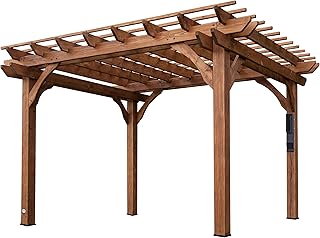
Solid cedar with a slatted roof gives you filtered shade and trellis surface for vines, not rain protection — go in knowing that distinction. The included stakes handle soft ground adequately, though upgrading to concrete footings turns this from a seasonal piece into a decade-long fixture.
MASTERCANOPY 10×12 ft Heavy Duty Patio Gazebo
A rustproof steel frame with a double-tiered vented roof and four zippered netting walls covers the mosquito problem that hardtops leave open, at a fraction of the labor. UPF 50+ fabric and drain holes handle summer well, but plan to take the canopy down before the first snowfall.
Frequently Asked Questions
Do I need a concrete pad under a gazebo kit?
Not always, but it helps. Hardtop and wooden gazebos perform best anchored to concrete or a properly framed deck. On soil, use auger anchors or pour footings at each post — pavers set on sand will shift and rack the frame within a year.
How long does assembly actually take?
Pop-ups take under 15 minutes. Aluminum hardtops run 4 to 6 hours with two people. Wooden hardtops and large grill gazebos land in the 8 to 14 hour range, often spread over two days.
Can a gazebo kit stay up through winter?
Metal-roofed hardtops with documented snow ratings are designed to. Soft-top canopies should be removed once snow is forecast, since accumulated weight will tear grommets or bend the frame.
What tools should I have ready?
A cordless drill with clutch settings, an impact driver, a 4-foot level, socket set, stepladder, clamps, and a rubber mallet. A rotary hammer is necessary if you’re anchoring into concrete.
Final Thoughts
For a permanent, four-season structure with the least assembly frustration, the PURPLE LEAF hardtop is the strongest overall choice thanks to its heavy posts and serious snow rating. If you want the warmth of real timber, the GUNJI wooden gazebo delivers it with a steel roof that earns its keep, while the AMERLIFE 10×20 is the clear answer for anyone covering a grill station or a long outdoor table.