Key takeaways
- Track length and shape: A 53″ to 55″ SL track carries rollers from the base of your neck around the lumbar curve and under the glutes. Shorter tracks stop at the tailbone, which is where most lower-back tension actually sits. Measure your own spine from C7 to the seat before you shop.
- 3D versus 4D rollers: 3D adds forward and back travel, so the rollers press into you rather than gliding over you. 4D adds variable rhythm, which reads less mechanical during long sessions. Both matter more than airbag count.
- Real footprint, not the box dimensions: Check whether the chair uses a wall-hugging slide. Some need 18 inches behind them at full recline, others clear in three. Tape the outline on your floor first, including the footrest extension.
- Assembly and access: Most arrive in one or two crates over 200 pounds, with the backrest bolted on separately and a wiring harness to seat. Budget two people and 45 minutes. Look for chairs with a labeled harness and an accessible power supply rather than sealed panels.
- Fit for your body: Extended calf rests, adjustable shoulder width, and a body scan that actually moves the shoulder airbags are what separate a chair that fits from one you keep adjusting.
What's inside
Anyone who has ever taken apart a recliner knows that a massage chair is really three machines stacked into one shell: a motorized frame, a roller carriage on a track, and a pneumatic system pushing air through a couple dozen bladders. Spec sheets rarely explain that. They just stack numbers — 40 airbags, 20 techniques, 15 modes — the way a spec sheet for a cordless drill leads with battery voltage and says nothing about chuck runout. Under $3,000 the numbers converge, so choosing on count alone tells you almost nothing about how the chair will feel on a Tuesday night.
This guide takes the builder’s view. We looked at track geometry, roller depth, how much wall clearance the recline actually needs, how the chair arrives and goes together, and whether you can reach a service panel without pulling the whole unit apart. Below are six chairs worth considering in the sub-$3,000 range for 2026, plus the specs that change the daily experience and the ones that are mostly marketing.
As an Amazon Associate we earn from qualifying purchases.




🛒 Best Price Today on Amazon
Prime members get fast, free shipping on everything above, plus member-only deals. New members get a 30-day free trial — cancel anytime.
How to Choose a Massage Chair Under $3000 (2026)
- Track length and shape: A 53″ to 55″ SL track carries rollers from the base of your neck around the lumbar curve and under the glutes. Shorter tracks stop at the tailbone, which is where most lower-back tension actually sits. Measure your own spine from C7 to the seat before you shop.
- 3D versus 4D rollers: 3D adds forward and back travel, so the rollers press into you rather than gliding over you. 4D adds variable rhythm, which reads less mechanical during long sessions. Both matter more than airbag count.
- Real footprint, not the box dimensions: Check whether the chair uses a wall-hugging slide. Some need 18 inches behind them at full recline, others clear in three. Tape the outline on your floor first, including the footrest extension.
- Assembly and access: Most arrive in one or two crates over 200 pounds, with the backrest bolted on separately and a wiring harness to seat. Budget two people and 45 minutes. Look for chairs with a labeled harness and an accessible power supply rather than sealed panels.
- Fit for your body: Extended calf rests, adjustable shoulder width, and a body scan that actually moves the shoulder airbags are what separate a chair that fits from one you keep adjusting.
The Best Massage Chairs Under $3000 (2026), Reviewed
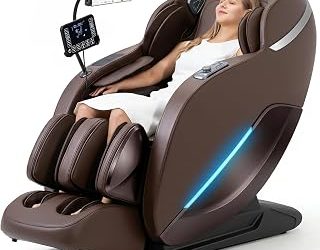
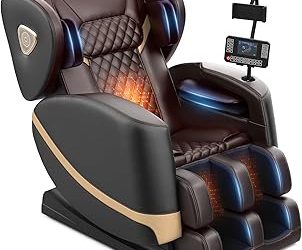
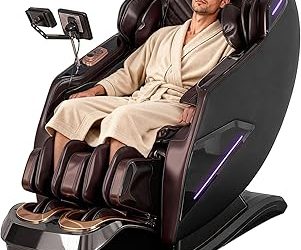
MT398 4D Full Body, 55″ SL Track
The 55″ track is the headline here, and it earns it: coverage runs from neck to upper hamstring without the roller carriage running out of rail. Lumbar and calf heat, yoga stretch, and voice control round it out, and the wireless charging pad is a small thing that stops you hunting for a cable mid-session.
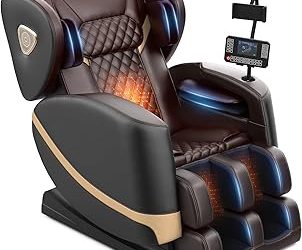
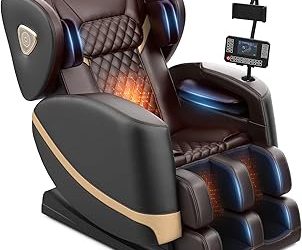
4D Zero Gravity SL-Track with Core Heating
Twenty techniques is more than most people will use, but the core heating and deep yoga stretch are the reason to look. The stretch cycle anchors your shoulders while the seat drops, which is closer to a real assisted stretch than the token version on cheaper chairs.
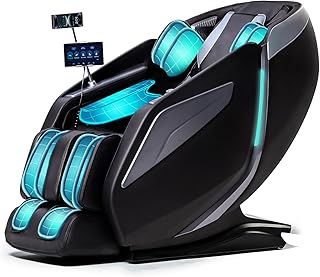
4D 53″ SL Track with HD Touchscreen
A well-balanced pick with back and calf heat, body scan, and a Shiatsu foot roller that pushes hard enough to matter. The HD touchscreen is genuinely faster to navigate than a button remote, especially if more than one person uses the chair.
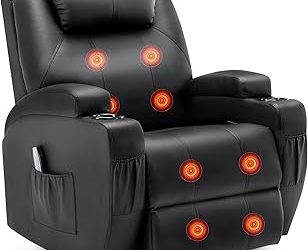
3D SL-Track with Rocking Sleep Mode
The standout is the extended calf and knee section, adding roughly 11cm of reach for taller users whose heels normally hang past the footrest. The rocking sleep mode is an unusual touch that works better than it sounds for winding down.
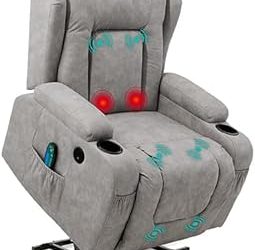
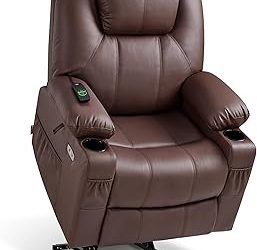
FURNIMAT Full Body Zero Gravity Recliner
The value entry: 14 Shiatsu rollers, 10 airbags, and five auto modes cover the fundamentals without the 4D price premium. A sensible choice if your priority is back and neck relief rather than a long feature list.
Frequently Asked Questions
How much space do I actually need?
Plan for the chair’s full reclined length plus footrest extension. Wall-hugging models typically need three to six inches of rear clearance; non-hugging designs can need well over a foot.
Is assembly something I can do myself?
Mostly yes, though the backrest lift is a two-person job. The harness connections are keyed and hard to get wrong, but photograph the routing before you close the panels.
Does a higher airbag count mean a better massage?
Not reliably. Airbag placement and pressure control matter far more than quantity. A chair with 20 well-placed bladders can outperform one with 40.
What kind of power circuit does it need?
A standard 110V outlet is fine. Avoid running one on a shared extension cord or a strip that already carries a space heater.
Final Thoughts
If you want the most capable chair in this bracket, the MT398 with its 55″ SL track and the 4D SL-Track with core heating are the two worth stretching for. Tall users should look hard at the 3D model with the extended calf and knee section, and anyone building a first setup on a tighter budget will get honest value from the FURNIMAT.