Key takeaways
- Go 14 inches or don’t bother: Height isn’t vanity — it’s material budget. A 14-inch build gives room for a taller coil unit or a proper high-density base layer beneath the comfort foams, which is what keeps your hips from bottoming out onto the frame.
- Pocket coils beat all-foam for heavier builds: Steel recovers from compression better than polyurethane over the long haul. If you want foam feel, look for a hybrid — coils underneath, foam on top — rather than a stack of foam alone.
- Check the base layer, not the top layer: The plush inch you feel with your hand doesn’t matter. Ask about the support core density. Anything under 1.8 lb/ft³ in the base will develop a body impression fast under sustained weight.
- Edge support decides how usable the mattress is: Larger sleepers sit on the perimeter to put shoes on and often sleep closer to the edge. Reinforced perimeter coils or firmer foam rails keep that zone from collapsing into a ramp.
- Match your frame to the mattress: The best bed in the world sags on slats spaced five inches apart. For combined weight over 400 pounds, run slats no more than three inches apart with a center support leg, or drop in a plywood deck. This is a 20-minute fix and it changes everything.
What's inside
Anyone past the 250-pound mark has learned the hard way that mattress marketing is written for a 160-pound sleeper. You buy the bed with the glowing reviews, it feels great for four months, and then a trench forms where your hips land. The foam hasn’t failed exactly — it was simply never engineered for the load you put on it. Compression sets in, edge support gives way, and you wake up with a lower back that feels like you slept in a hammock.
I’ve spent years pulling apart old beds, rebuilding platform frames, and swapping slats for heavier stock, so I look at mattresses the way I’d look at any load-bearing build: what’s the core made of, how thick is it, and where does it transfer weight? This roundup covers six mattresses that hold up under real weight, with notes on coil construction, foam density, cooling, and which sizes actually make sense for two larger sleepers sharing a bed.
As an Amazon Associate we earn from qualifying purchases.


🛒 Best Price Today on Amazon
Prime members get fast, free shipping on everything above, plus member-only deals. New members get a 30-day free trial — cancel anytime.
How to Choose a Mattress For Large People (2026)
- Go 14 inches or don’t bother: Height isn’t vanity — it’s material budget. A 14-inch build gives room for a taller coil unit or a proper high-density base layer beneath the comfort foams, which is what keeps your hips from bottoming out onto the frame.
- Pocket coils beat all-foam for heavier builds: Steel recovers from compression better than polyurethane over the long haul. If you want foam feel, look for a hybrid — coils underneath, foam on top — rather than a stack of foam alone.
- Check the base layer, not the top layer: The plush inch you feel with your hand doesn’t matter. Ask about the support core density. Anything under 1.8 lb/ft³ in the base will develop a body impression fast under sustained weight.
- Edge support decides how usable the mattress is: Larger sleepers sit on the perimeter to put shoes on and often sleep closer to the edge. Reinforced perimeter coils or firmer foam rails keep that zone from collapsing into a ramp.
- Match your frame to the mattress: The best bed in the world sags on slats spaced five inches apart. For combined weight over 400 pounds, run slats no more than three inches apart with a center support leg, or drop in a plywood deck. This is a 20-minute fix and it changes everything.
The Best Mattress For Large People (2026)s Reviewed
EGOHOME King 14 Inch Memory Foam Mattress
This is the pick for people who genuinely want memory foam feel and won’t compromise on it — the copper gel infusion and graphene cover work together to pull heat away from the contact zones, which is where all-foam beds usually fail heavier sleepers. The medium-firm calibration and fiberglass-free, CertiPUR-US construction make it a safe choice, though I’d pair it with a slatted base under three-inch spacing.
BedStory 14 Inch Hybrid Mattress King
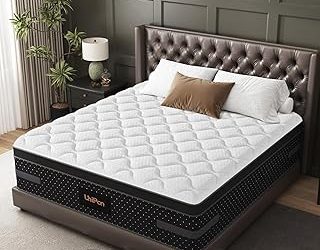
Zoned lumbar reinforcement is the standout here: the coil gauge stiffens through the middle third, which is precisely where a 300-pound frame concentrates load. The 10-year warranty tells you BedStory expects the pocket spring unit to hold its geometry, and in my experience that zoned approach is the single most effective defense against the classic hip trench.
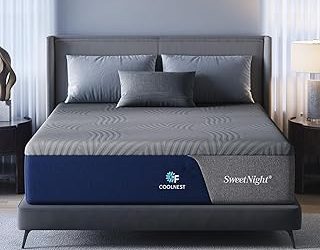
Sweetnight CoolNest Hybrid King, 14 Inch
A pillow-top hybrid that manages to stay cool is a rare combination, and the four-stage breathability stack plus the 7-zone coil layout earns its place for hot sleepers who need pressure relief at the shoulders and hips simultaneously. The cushioned top adds enough give that side sleepers won’t feel the coil unit through it.
BedStory Extra Firm King, 14 Inch
If you’ve owned three mattresses that all went soft, this is the corrective — extra-firm hybrid construction aimed squarely at lumbar and hip support with no plush layer to compress out. The 365-night trial is unusually generous, which matters because extra-firm takes a few weeks of adjustment before you know if it’s right.
Sweetnight CoolNest 14 Inch Memory Foam King
The all-foam sibling to the hybrid above, built around a 5-zone support layout that firms up under the torso while staying softer at the shoulders. Choose this over the hybrid if motion isolation is your priority and you’re sharing the bed with a light sleeper.
Frequently Asked Questions
How firm should a mattress be for a heavier sleeper?
Firmer than the label suggests. Every mattress reads softer under more weight, so a bed marketed as medium-firm will feel closer to medium for a 300-pound sleeper. Medium-firm to firm is the sensible target for back and stomach sleepers; side sleepers can stay at medium-firm but should look for zoned shoulder relief.
Do hybrids really outlast foam mattresses under heavy use?
Generally yes. Pocket coils return to shape after compression in a way that foam gradually stops doing, so hybrids tend to hold their support profile longer. High-density foam builds can compete, but you need to verify the base foam density rather than trust the marketing copy.
Will a 12-inch mattress work, or do I need 14?
A 12-inch hybrid with a well-built coil unit can absolutely work — the Full XL cooling gel hybrid on this list is a good example for solo sleepers or tighter rooms. Fourteen inches simply gives designers more room for a serious support core, which is why most of the heavy-duty options land there.
What frame should I use to keep the mattress from sagging?
Slats spaced three inches or less, with at least one center support leg running to the floor. If your existing frame has wider gaps, cut a sheet of ¾-inch plywood to fit and lay it over the slats. Drill a few ventilation holes so the foam can still breathe.
Final Thoughts
For most larger sleepers, the BedStory 14 Inch Hybrid is the smartest all-around buy — zoned lumbar coils, a decade-long warranty, and a build that resists the hip sag that kills lesser mattresses. Choose the BedStory Extra Firm if you’ve been let down by beds going soft, or the Sweetnight CoolNest Hybrid if heat is your main complaint and you want a pillow top that doesn’t trap it. Whichever you pick, spend an afternoon shoring up the frame underneath. It’s the cheapest upgrade in the whole project.