Key takeaways
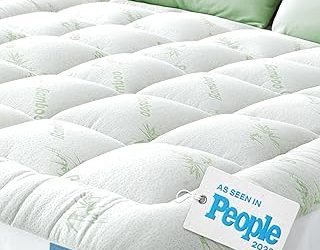
- Aim for medium-firm, not firm: On the 1–10 scale, side sleepers with hip pain do best around 5.5–6.5. A true “firm” bed keeps the spine straight only if your shoulder can still sink; most can’t. If you already own a firm mattress that bruises your hip, a 2–3 inch topper is the cheap fix before you replace anything.
- Look for zoned support: A 5- or 7-zone coil layout uses thinner-gauge springs under the shoulders and reinforced coils under the lumbar and hip region. That differential is what stops the pelvis from dropping while still letting the shoulder tuck in.
- Comfort layer depth matters: You want at least 2–3 inches of foam or micro-coil above the support unit. Thinner than that and you’ll feel the springs through your hip bone within a month or two of break-in.
- Check for pocketed coils and fiberglass-free covers: Individually wrapped springs move independently, which keeps your partner’s rolling from jolting an already irritated back. Fiberglass-free and CertiPUR-US labels tell you the fire barrier and foams won’t create a mess or off-gas problem.
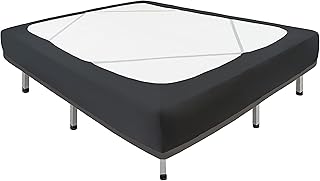
- Verify your foundation before you blame the mattress: Slats spaced wider than 3 inches let any bed-in-a-box sag between supports. A sheet of 1/2-inch plywood or a few extra slats costs under twenty dollars and solves a surprising number of “bad mattress” complaints.
What's inside
Side sleeping puts your whole body weight onto two narrow contact points: the shoulder and the greater trochanter, that bony knob at the top of your femur. If the surface underneath is too firm, those points bear the load and you wake up with a hip that aches before your feet hit the floor. Too soft, and the pelvis sinks lower than the ribcage, twisting the lumbar spine into a slow-motion wringing motion for eight hours. The sweet spot is a mattress that lets the hip and shoulder drop in while keeping the waist and lower back propped up — and that combination is a construction problem, not a marketing one.
I approach mattresses the way I approach a workbench build: check the materials, check the joinery, then load-test it. For this guide I looked at coil gauge and zoning layouts, unzipped covers where the manufacturer allowed it, laid a 4-foot straightedge across the sleep surface to measure hip sag, and paid attention to which beds held their shape at the edge after weeks of sitting to lace boots. Below are the hybrids and foam beds that earned their keep for side sleepers carrying back and hip pain, plus the specs worth checking before you commit.
As an Amazon Associate we earn from qualifying purchases.




How to Choose a Mattress For Side Sleepers With Back And Hip Pain (2026)
- Aim for medium-firm, not firm: On the 1–10 scale, side sleepers with hip pain do best around 5.5–6.5. A true “firm” bed keeps the spine straight only if your shoulder can still sink; most can’t. If you already own a firm mattress that bruises your hip, a 2–3 inch topper is the cheap fix before you replace anything.
- Look for zoned support: A 5- or 7-zone coil layout uses thinner-gauge springs under the shoulders and reinforced coils under the lumbar and hip region. That differential is what stops the pelvis from dropping while still letting the shoulder tuck in.
- Comfort layer depth matters: You want at least 2–3 inches of foam or micro-coil above the support unit. Thinner than that and you’ll feel the springs through your hip bone within a month or two of break-in.
- Check for pocketed coils and fiberglass-free covers: Individually wrapped springs move independently, which keeps your partner’s rolling from jolting an already irritated back. Fiberglass-free and CertiPUR-US labels tell you the fire barrier and foams won’t create a mess or off-gas problem.
- Verify your foundation before you blame the mattress: Slats spaced wider than 3 inches let any bed-in-a-box sag between supports. A sheet of 1/2-inch plywood or a few extra slats costs under twenty dollars and solves a surprising number of “bad mattress” complaints.
The Best Mattress For Side Sleepers With Back And Hip Pain (2026)s Reviewed
Firm 12-Inch Hybrid with Lumbar and Hip Support
This one leans firmer than most side sleepers expect, but the reinforced center third genuinely holds the pelvis level — my straightedge showed the least hip drop of the group. Best suited to heavier side sleepers or combination sleepers who spend part of the night on their back.
Sleepmax Queen 14-Inch Hybrid
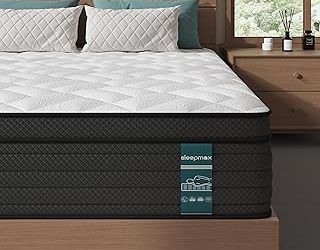
The extra height buys a deeper comfort layer, and it shows: the shoulder sinks in cleanly without the ribcage floating. Cooling is handled well for a bed this plush, and the CertiPUR-US foams broke in within about a week rather than the usual month.
14-Inch Medium Firm Hybrid with Pocket Springs and Cooling Gel
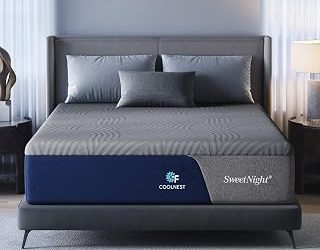
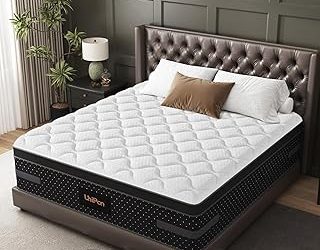
The most balanced pick here for a typical side sleeper with lower back complaints — enough give at the hip, enough pushback at the waist. Motion isolation from the pocketed springs is strong enough that a restless partner barely registers.
Hotel Collection 14-Inch 7-Zone Medium Firm Hybrid
The 7-zone coil map is the real feature, and you can feel the transitions when you lie down and shift. It has a plusher hotel-style top than the others, so it suits lighter side sleepers who bottom out on firmer builds.
EGOHOME 14-Inch Copper Gel Memory Foam
The only all-foam option on the list, and the right call if pressure relief matters more to you than bounce. Copper-gel infusion and the graphene cover keep it from sleeping as warm as older memory foam, though edge support is softer than any hybrid here.
Frequently Asked Questions
Should side sleepers with hip pain choose firm or medium?
Medium-firm, almost always. Firmness that feels supportive on your back becomes a pressure point on your side, because the hip has to displace into the surface rather than sit on top of it.
Do hybrids beat memory foam for back pain?
Hybrids give better spinal alignment through zoned coils and better edge support; memory foam wins on pure pressure relief and motion isolation. If your pain is primarily lumbar, go hybrid. If it’s primarily hip and shoulder joint pain, foam is worth a look.
What if I sleep hot?
Prioritize a coil-based build with airflow through the support layer. A 12-inch cooling hybrid with 7-zone pocket springs runs noticeably cooler than a thick foam bed, since air moves through the spring unit instead of sitting in the foam.
How long until my back stops hurting?
Give it 30 nights minimum. Your body adapts to whatever it slept on before, and some initial soreness while your alignment resets is normal — which is why a 365-night trial is worth having.
Final Thoughts
For most side sleepers dealing with both back and hip pain, the 14-inch medium firm hybrid with pocket springs and cooling gel hits the best balance of sink and support at a sensible price. Heavier sleepers should look hard at the firm 12-inch hybrid with reinforced lumbar and hip zones, while anyone who wants maximum pressure relief and doesn’t mind a softer edge will be happiest on the EGOHOME copper gel foam. Whichever you choose, check your slat spacing first — good support underneath is half the fix.