Key takeaways
- Match thickness to your problem: Two inches softens a firm bed without swallowing you. Three inches genuinely redistributes pressure on hips and shoulders. Anything past four is usually marketing — the extra foam sits too far from your body to change support meaningfully, and it makes sheets a nightmare.
- Foam density beats foam depth: A dense 2-inch core outlasts a soft 3-inch one every time. Low-density foam develops permanent body impressions in six to eight months. Look for CertiPUR-US certification — it doesn’t guarantee density, but it does confirm the foam was tested for emissions and durability standards.
- Understand what “cooling” means: Gel infusion helps at first, then saturates. Real airflow comes from open-cell structure, perforations, or a breathable cover. If you sleep hot, a fiber-fill pillow-top with a rayon or cotton cover will beat sealed memory foam nearly every time.
- Check the anchoring system: Elastic straps at the corners shift. Deep-pocket fitted skirts don’t. Measure your mattress height including any existing pad, then add two inches for the topper — a 20-inch pocket sounds excessive until you’re wrestling a 14-inch pillow-top mattress plus a topper into a 16-inch skirt.
- Confirm the cover comes off: Non-removable covers mean spot-cleaning forever. A zippered, machine-washable cover roughly doubles the useful life of the thing, and it’s the difference between a five-year purchase and a two-year one.
What's inside
I’ve torn down more mattresses than I care to admit — pulled the covers off, sliced through foam cores, weighed the fill in a bucket. The thing that always strikes me is how thin the layer of comfort actually is. Under the quilting there’s usually an inch or two of foam doing all the work, and once that compresses, you’re basically sleeping on springs and hope. Replacing the whole mattress runs eight hundred to three thousand dollars. Fixing the top two inches runs forty to two hundred. That math is why toppers exist, and why they’re the single highest-leverage upgrade in a bedroom.
The catch is that “topper” covers wildly different products. A quilted pillow-top pad and a slab of gel memory foam solve opposite problems, and buying the wrong one makes your bed worse. This guide breaks down the six toppers worth your money in 2026, sorted by what they actually fix — sagging support, heat retention, or a mattress that feels like a sidewalk. I’ve noted construction details you can verify yourself, plus the failure points I’ve seen firsthand after a year of use.
As an Amazon Associate we earn from qualifying purchases.



🛒 Best Price Today on Amazon
Prime members get fast, free shipping on everything above, plus member-only deals. New members get a 30-day free trial — cancel anytime.
How to Choose a Mattress Topper Brands (2026)
- Match thickness to your problem: Two inches softens a firm bed without swallowing you. Three inches genuinely redistributes pressure on hips and shoulders. Anything past four is usually marketing — the extra foam sits too far from your body to change support meaningfully, and it makes sheets a nightmare.
- Foam density beats foam depth: A dense 2-inch core outlasts a soft 3-inch one every time. Low-density foam develops permanent body impressions in six to eight months. Look for CertiPUR-US certification — it doesn’t guarantee density, but it does confirm the foam was tested for emissions and durability standards.
- Understand what “cooling” means: Gel infusion helps at first, then saturates. Real airflow comes from open-cell structure, perforations, or a breathable cover. If you sleep hot, a fiber-fill pillow-top with a rayon or cotton cover will beat sealed memory foam nearly every time.
- Check the anchoring system: Elastic straps at the corners shift. Deep-pocket fitted skirts don’t. Measure your mattress height including any existing pad, then add two inches for the topper — a 20-inch pocket sounds excessive until you’re wrestling a 14-inch pillow-top mattress plus a topper into a 16-inch skirt.
- Confirm the cover comes off: Non-removable covers mean spot-cleaning forever. A zippered, machine-washable cover roughly doubles the useful life of the thing, and it’s the difference between a five-year purchase and a two-year one.
The Best Mattress Topper Brands (2026)s Reviewed
Niagara Sleep Solution Ultra Soft & Cooling Topper (Full)
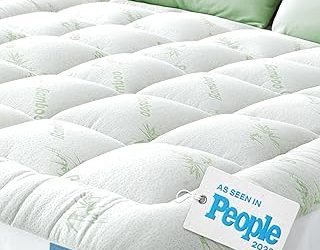
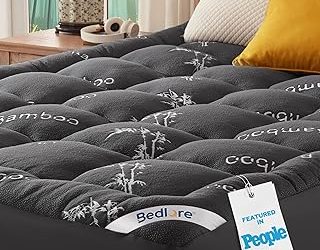
This is the pick for hot sleepers who’ve been burned by memory foam. The rayon-from-bamboo cover moves heat and moisture instead of trapping it, and the 20-inch deep pocket means it stays put on a tall mattress without any strap fiddling — a detail most brands get wrong.
Linenspa 2-Inch Gel Memory Foam Topper (Queen)
The reliable entry point. Two inches of gel-infused CertiPUR foam takes the edge off a too-firm mattress at a price that makes experimentation painless. Give it 48 hours to fully expand and off-gas before you judge it.
Sleepyhead Twin XL Topper (2 Inch)
Purpose-built for dorm beds, which is exactly where a topper earns its keep — institutional mattresses are relentlessly firm. The removable washable cover matters more here than anywhere else, given the laundry realities of shared living.
ELEMUSE Extra Thick Pillowtop Pad (Queen)
If your complaint is back pain plus a bed that feels like plywood, this overfilled down-alternative pad adds real cushioning without foam’s heat penalty. The elastic deep pocket holds tight, and unlike foam, the fill can be fluffed back into shape.
3-Inch Memory Foam Topper with Cooling Cover (King)
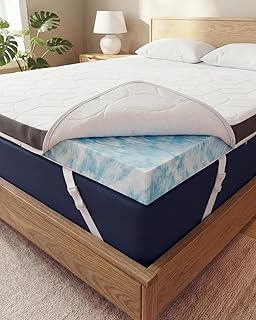
The heavy hitter. Three inches of foam does what two can’t — it actually offloads pressure at the hips and shoulders rather than just softening the surface. The washable cooling cover and strap system handle the practical side; budget two people for installation on a king.
Frequently Asked Questions
Will a topper fix a sagging mattress?
No. A topper adds comfort, not structure — put foam over a dip and you get a softer dip. If you can see a valley or feel the springs, the mattress or its support base needs replacing. Toppers fix firmness, not failure.
How long should a topper last?
Three to five years for quality foam, two to three for budget foam, and roughly four for fiber-fill pads that get regularly fluffed. Rotating the topper 180 degrees every few months distributes wear and buys you extra time.
Do I still need a mattress protector?
Yes, and put it over the topper, not under. Foam absorbs moisture readily and dries slowly, which is how you end up with a topper you can’t salvage.
Why does my new foam topper smell?
Off-gassing from the manufacturing process. Unwrap it in a ventilated room and give it two to three days — the odor dissipates completely. CertiPUR-US certification means the emissions were tested against safety thresholds.
Final Thoughts
For most people, the Linenspa 2-inch gel foam topper is the smart first move — low cost, low risk, and it solves the most common complaint. Hot sleepers should go straight to the Niagara bamboo-derived topper, where breathable fabric beats any gel gimmick. And if pressure relief is the real goal, the 3-inch memory foam topper with washable cooling cover is the only one on this list with enough material to genuinely change how your bed supports you.