Key takeaways
- Measure before you buy: Most residence halls use Twin XL at 38″ x 80″, but a surprising number of older buildings still run standard Twin at 75″ long. Email housing or lay a tape measure on the frame during move-in day — a 5-inch mismatch means overhang that folds under your hips every night.
- Thickness versus headroom: Two inches is the sweet spot for lofted beds and bunks where you need clearance and don’t want to raise your center of gravity. Three inches gives noticeably better hip and shoulder relief on a rock-hard base, but it eats into your safety rail height and may require deep-pocket sheets rated for 18″ or more.
- Heat is the real enemy: Dorm rooms often have one thermostat for an entire floor. Look for gel-infused or open-cell foam with visible ventilation channels, or skip foam entirely for a fiber-fill pillow top with a breathable rayon-from-bamboo cover if you sleep hot.
- Anchoring system: Elastic corner straps handle most situations; a fitted skirt with a deep pocket is better if you toss. Toppers with no anchoring at all will migrate, especially on slick vinyl-covered institutional mattresses.
- Cover removability: Foam cannot go in a washing machine, so a zippered, machine-washable cover is the difference between a topper that survives four years and one that gets tossed in May. Check that the zipper runs at least three sides for easy reassembly.
What's inside
Dorm mattresses are built for durability, not sleep. Most are thin slabs of high-density foam or coil-and-vinyl hybrids sized Twin XL (38″ x 80″), wrapped in a wipe-clean cover and rated for a decade of rotating occupants. The result is a sleeping surface that feels closer to a gym mat than a bed, and no amount of mattress-pad-plus-two-quilts layering fully fixes it. If you have ever tried to build comfort from the bedding side up, you already know the problem: everything shifts, bunches, and slides off the corners by 3 a.m.
The fix is structural, not decorative. A properly sized topper adds a real pressure-relief layer between you and the institutional foam, and if you choose the right thickness and anchoring system, it stays put through a full semester of bunk-bed climbing and lofted-frame rearranging. This guide covers what actually matters when fitting a topper to a dorm bed — sizing quirks, heat management, move-in logistics, and cover washability — followed by hands-on notes on six toppers worth your dollar.
As an Amazon Associate we earn from qualifying purchases.




🛒 Best Price Today on Amazon
Prime members get fast, free shipping on everything above, plus member-only deals. New members get a 30-day free trial — cancel anytime.
How to Choose a/an Mattress Topper For Dorm Bed (2026)
- Measure before you buy: Most residence halls use Twin XL at 38″ x 80″, but a surprising number of older buildings still run standard Twin at 75″ long. Email housing or lay a tape measure on the frame during move-in day — a 5-inch mismatch means overhang that folds under your hips every night.
- Thickness versus headroom: Two inches is the sweet spot for lofted beds and bunks where you need clearance and don’t want to raise your center of gravity. Three inches gives noticeably better hip and shoulder relief on a rock-hard base, but it eats into your safety rail height and may require deep-pocket sheets rated for 18″ or more.
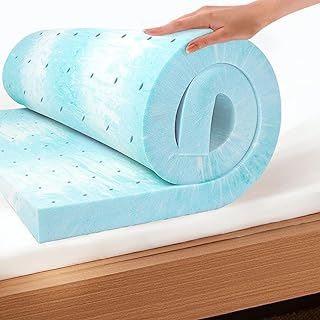
- Heat is the real enemy: Dorm rooms often have one thermostat for an entire floor. Look for gel-infused or open-cell foam with visible ventilation channels, or skip foam entirely for a fiber-fill pillow top with a breathable rayon-from-bamboo cover if you sleep hot.
- Anchoring system: Elastic corner straps handle most situations; a fitted skirt with a deep pocket is better if you toss. Toppers with no anchoring at all will migrate, especially on slick vinyl-covered institutional mattresses.
- Cover removability: Foam cannot go in a washing machine, so a zippered, machine-washable cover is the difference between a topper that survives four years and one that gets tossed in May. Check that the zipper runs at least three sides for easy reassembly.
The Best Mattress Topper For Dorm Bed (2026)s Reviewed
ELEMUSE 3-Inch Dual Layer Twin XL Topper
This one solves the classic trade-off by stacking two inches of cooling gel foam beneath a one-inch quilted pillow top, so you get contouring support without the sink-in stickiness of straight memory foam. It is the most complete out-of-the-box upgrade here for a bare dorm mattress, though give it a full 48 hours to expand before judging the loft.
Niagara Sleep Solution Ultra Soft & Cooling Topper
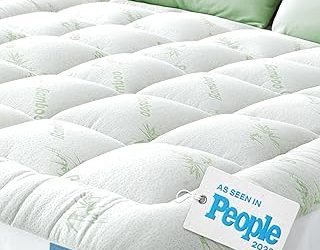
A fiber-fill pillow top rather than foam, with a rayon-from-bamboo cover and a genuinely useful 20-inch deep pocket that grips even the thickest institutional mattress. Choose this if you run hot or want something you can throw in a dorm laundry machine whole.
EGO 2-Inch Gel Memory Foam Topper
Sized at 75″ x 38″ for standard Twin beds, which makes it the right call for older halls and apartment futons that Twin XL toppers overhang. CertiPUR-US certified foam, low profile enough for bunks, and it ships compressed small enough to carry up three flights.
Linenspa 2-Inch Gel Infused Topper
The reliable budget baseline: plush, gel-infused, CertiPUR certified, and cheap enough that leaving it behind at graduation is not painful. Expect softening rather than dramatic support, so pair it with a mattress pad if the base is truly punishing.
ViscoSoft 3-Inch Ventilated Twin XL Topper
High-density foam with drilled ventilation channels and a removable rayon cover puts this at the premium end, and the airflow design does measurably more for heat than gel infusion alone. Best pick if you want a topper that outlives the dorm and moves into your first apartment.
Frequently Asked Questions
Will a Twin XL topper fit a regular Twin bed?
It will overhang by five inches at the foot. You can tuck it, but the fold creates a ridge. Buy the size that matches your frame.
Do I need special sheets?
With a 2-inch topper, standard Twin XL sheets usually work. At 3 inches, look for deep-pocket sheets rated 15″ or deeper to avoid corner pop-off.
How long does off-gassing take?
Unroll compressed foam near an open window and allow 24 to 72 hours. The odor is harmless but noticeable in a small room.
Can I cut a topper down to size?
Yes — foam cuts cleanly with a long serrated blade or electric carving knife. Cut the foam only, then re-cover it, since cutting through the zippered cover ruins the anchoring.
Final Thoughts
For most dorm setups, the ELEMUSE 3-inch dual layer topper delivers the biggest single-purchase improvement, while the ViscoSoft 3-inch ventilated model is the smarter long-term investment if you want airflow and a cover that survives four years of laundry. Hot sleepers and anyone who wants a washable, no-foam option should go straight to the Niagara Sleep Solution pillow top.