Key takeaways
- Flex construction: All-foam and hybrids with pocketed, individually wrapped coils bend cleanly. Anything with a continuous wire border rod or connected coil grid will fight the base and eventually deform at the hinge.
- Profile height: Between 10 and 14 inches is the practical window. Thicker slabs resist the head incline and reduce your usable elevation angle, which defeats the point of anti-snore positioning.
- Retention hardware: Check that the base includes corner brackets or a foot bar rated for your mattress depth. A 14-inch mattress on a base designed for 10 inches will creep forward every time you sit up.
- Split versus single: Split king lets each side incline independently, which matters if one sleeper reads upright and the other doesn’t. A single queen mattress on a queen base moves as one unit only.
- Assembly reality: Legs, remote pairing, and USB or LED wiring add time. Look for tool-free leg threading and pre-attached wiring harnesses; the “five minute” claims usually mean the frame body, not the whole setup.
What's inside
Bolt an old innerspring onto a motorized base and you’ll hear it complain within a week. The coil grid fights the hinge points, the border rod kinks, and eventually the whole thing bows instead of bending. Adjustable frames need a mattress built to fold along two axes, hundreds of times a year, without losing loft where your hips sit. That flexibility requirement rules out most of what sits on a showroom floor.
I’ve assembled and disassembled enough of these sets to know where the friction is: retention bars that don’t clear a 14-inch profile, split kings that arrive as two mismatched firmness batches, and mattresses that technically flex but leave a hard ridge at the shoulder break. Below are six frame-and-mattress bundles worth your time, followed by the specs I check before anything gets carried up a staircase.
As an Amazon Associate we earn from qualifying purchases.




🛒 Best Price Today on Amazon
Prime members get fast, free shipping on everything above, plus member-only deals. New members get a 30-day free trial — cancel anytime.
How to Choose a Mattresses For Adjustable Bed Frames (2026)
- Flex construction: All-foam and hybrids with pocketed, individually wrapped coils bend cleanly. Anything with a continuous wire border rod or connected coil grid will fight the base and eventually deform at the hinge.
- Profile height: Between 10 and 14 inches is the practical window. Thicker slabs resist the head incline and reduce your usable elevation angle, which defeats the point of anti-snore positioning.
- Retention hardware: Check that the base includes corner brackets or a foot bar rated for your mattress depth. A 14-inch mattress on a base designed for 10 inches will creep forward every time you sit up.
- Split versus single: Split king lets each side incline independently, which matters if one sleeper reads upright and the other doesn’t. A single queen mattress on a queen base moves as one unit only.
- Assembly reality: Legs, remote pairing, and USB or LED wiring add time. Look for tool-free leg threading and pre-attached wiring harnesses; the “five minute” claims usually mean the frame body, not the whole setup.
The Best Mattresses For Adjustable Bed Frames (2026)s Reviewed
Split King Adjustable Frame with 14″ Luxury Hybrid
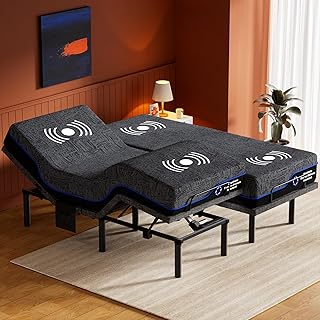
The app control is more than a gimmick here, since preset positions save reliably and the massage motors run quieter than remote-only units I’ve handled. The medium-soft hybrid is the standout, though: pocketed coils give it real edge stability while still folding without a shoulder ridge.
Amada Split King with Cooling Gel Memory Foam
Amada’s gel foam runs noticeably cooler than standard viscoelastic, which addresses the usual complaint about foam on a base that traps heat at the lumbar break. Medium-firm support with independent head and foot incline, plus USB ports and an LED night light that’s genuinely useful for a 2 a.m. trip.
Serta Perfect Sleeper Hybrid 12″ Medium Queen + Base
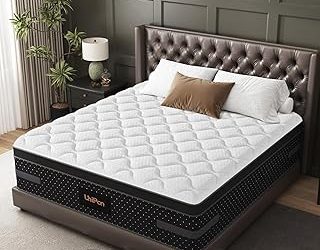
At 12 inches this is the easiest profile to work with on an adjustable base, and the medium feel splits the difference for couples who can’t agree. Serta’s hybrid build and warranty support make it the safe pick if you’d rather not gamble on an unfamiliar brand.
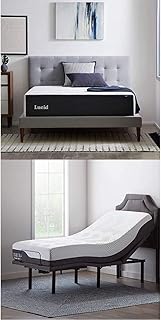
LUCID 14″ King with L600 Adjustable Base
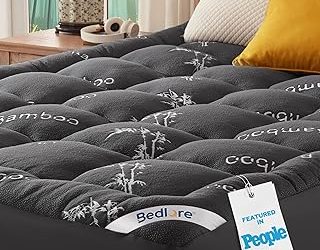
The L600 is a workhorse base and assembly is genuinely straightforward, with legs that thread in by hand and a remote that pairs on first try. The plush bamboo charcoal gel foam is CertiPUR-US certified and suits side sleepers who want the hip to sink without bottoming out.
Celestial Aurora Base + 12″ Gel Memory Foam Split King
Programmable memory positions and zero gravity on a split king at this profile height is a strong combination, especially for anyone managing reflux or circulation. The medium-soft 12-inch foam flexes easily and the assembly is among the cleanest I’ve done.
Frequently Asked Questions
Can I use my existing mattress on an adjustable base?
Only if it’s all-foam, latex, or a pocketed-coil hybrid. Traditional innersprings with connected coils or a rigid border rod will crease permanently and may void your warranty.
Why is split king recommended so often?
Two twin XL mattresses on a dual-motor base let each sleeper adjust independently. The tradeoff is a center gap, which a bridging pad or split-top design will mostly resolve.
Do memory foam mattresses overheat on adjustable frames?
Older foams did, because the base restricts airflow underneath. Gel-infused and open-cell foams like those in the Amada and LUCID sets manage heat considerably better.
How long does setup actually take?
Budget 45 to 90 minutes for a split king, including unboxing, leg installation, remote pairing, and letting the mattress expand. Foam needs 24 to 48 hours to fully decompress before it feels right.
Final Thoughts
If you want the most capable package, the Split King Hybrid with app control earns it on coil quality and quiet motors. The Amada Split King is the better value for hot sleepers who want cooling foam plus USB and LED extras, while the Serta Perfect Sleeper Hybrid remains the low-risk choice at a manageable 12-inch profile.