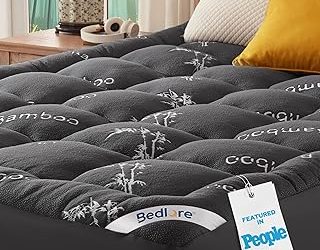
Key takeaways
- Thickness vs. shoulder depth: A 2-inch layer cushions an existing surface but won’t create a real shoulder pocket. Broad-shouldered side sleepers usually need 3 inches minimum, and 4 to 5 inches if the mattress underneath has gone firm or lumpy and you’re effectively replacing its comfort layer.
- Foam density over foam depth: Low-density foam in a thick slab compresses fully under a hip and offers nothing past that point. Look for stated high-density or select-density foam — it lets the shoulder sink while still pushing back under the pelvis, which is exactly the split a side sleeper needs.
- Heat management: Memory foam softens as it warms, so a topper that traps heat gets progressively squishier through the night. Gel infusion helps at the surface, but through-cut ventilation holes do more, since they give warm air an actual escape route instead of a marketing claim.
- Cover and washability: A removable, zippered cover is worth paying for. Bare foam pills against sheets, shifts as you turn, and can never be cleaned — a rayon or bamboo-blend cover fixes the friction problem and goes in the machine when it needs to.
- Anchoring: Side sleepers turn more than back sleepers, and thick foam wants to walk. Four-way elastic straps or a deep-pocket skirt keep the topper square to the mattress; without either, plan on tugging it back into place every few days.
What's inside
Side sleeping loads everything onto two narrow contact points: the shoulder and the hip. Push those into a mattress that won’t yield and the spine kinks at the waist, circulation in the down-side arm gets pinched, and you wake up rolling your shoulder to get feeling back into it. Buy a topper that’s too soft and you get the opposite problem — hips sink past the point of support, the lumbar curve collapses, and you’re stuck in a hammock. The window between “won’t let my shoulder in” and “swallowed me whole” is narrower for side sleepers than for any other position, and thickness alone won’t tell you where a topper lands.
I’ve pulled apart enough foam layers on the workbench to know that the spec sheet matters more than the marketing copy: density determines whether the foam holds a shoulder pocket or bottoms out, ventilation channels decide whether heat escapes or pools under your ribs, and cover fabric changes surface feel more than most people expect. Below are six toppers that cover the range from a thin 2-inch cushion to a 5-inch rebuild of a worn-out bed, with notes on who each one actually suits and what compromises you’re accepting.
As an Amazon Associate we earn from qualifying purchases.


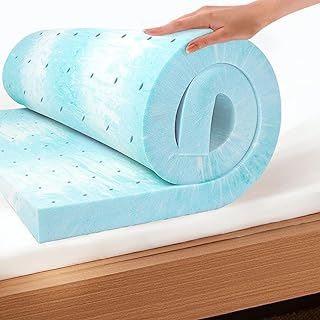


🛒 Best Price Today on Amazon
Prime members get fast, free shipping on everything above, plus member-only deals. New members get a 30-day free trial — cancel anytime.
How to Choose a Memory Foam Mattress Topper For Side Sleeper (2026)
- Thickness vs. shoulder depth: A 2-inch layer cushions an existing surface but won’t create a real shoulder pocket. Broad-shouldered side sleepers usually need 3 inches minimum, and 4 to 5 inches if the mattress underneath has gone firm or lumpy and you’re effectively replacing its comfort layer.
- Foam density over foam depth: Low-density foam in a thick slab compresses fully under a hip and offers nothing past that point. Look for stated high-density or select-density foam — it lets the shoulder sink while still pushing back under the pelvis, which is exactly the split a side sleeper needs.
- Heat management: Memory foam softens as it warms, so a topper that traps heat gets progressively squishier through the night. Gel infusion helps at the surface, but through-cut ventilation holes do more, since they give warm air an actual escape route instead of a marketing claim.
- Cover and washability: A removable, zippered cover is worth paying for. Bare foam pills against sheets, shifts as you turn, and can never be cleaned — a rayon or bamboo-blend cover fixes the friction problem and goes in the machine when it needs to.
- Anchoring: Side sleepers turn more than back sleepers, and thick foam wants to walk. Four-way elastic straps or a deep-pocket skirt keep the topper square to the mattress; without either, plan on tugging it back into place every few days.
The Best Memory Foam Mattress Topper For Side Sleeper (2026)s Reviewed
ViscoSoft 3 Inch Select High Density Topper
This is the balanced pick for most side sleepers: 3 inches is enough depth to open a genuine shoulder pocket, and the high-density formulation resists the bottoming-out that ruins cheaper slabs under the hip. The removable rayon cover is the detail that earns it the top spot — it tames sheet slip and comes off for washing, which no bare-foam topper can offer.
Linenspa 2 Inch Gel Infused Topper
The right call when your mattress is fundamentally sound and just needs its edge taken off, not a full rebuild. At 2 inches it’s a surface refinement rather than a pressure-relief layer, so slighter-framed side sleepers will do well here while broader shoulders should size up.
EGO 3 Inch Ventilated Gel Memory Foam Topper
The through-cut ventilation pattern is the standout — it moves air rather than just claiming to, which keeps the foam’s firmness stable instead of letting it soften into a rut as the night warms up. A strong value option at the 3-inch mark if you sleep hot and don’t need a premium cover.
Premium Dual Layer 4 Inch Topper
Two inches of gel memory foam under two inches of pillow top is a smart split: the fiber layer absorbs the shoulder immediately while the foam below carries the hip. It’s the pick for side sleepers who also wake with lower back complaints and want plushness without total collapse.
SHOUREN 5 Inch Extra Thick Gel Topper
Effectively a comfort-layer transplant for a mattress that’s gone hard, with enough depth that the contouring happens well above the old surface. The four-way strap system matters at this height — 5 inches of foam shifts constantly without it — and the WhatsBedding 5 Inch is the softer, more pillow-top alternative in the same tier.
Frequently Asked Questions
What thickness should a side sleeper choose?
Three inches is the practical baseline for creating a shoulder pocket. Go to 4 or 5 inches if your mattress is worn firm, if you’re broad through the shoulders, or if you’re over roughly 200 pounds and compress foam quickly.
Will a topper fix a sagging mattress?
No. Foam follows the contour beneath it, so a dip in the mattress becomes a dip in the topper. Toppers correct firmness and surface feel, not structural failure — check whether your bed frame is missing center support before spending anything.
How do I stop the off-gassing smell?
Unbox the topper in a ventilated room, leave it uncovered for 24 to 72 hours, and let it fully expand before putting sheets on. The odor is harmless and fades; CertiPUR-US certified foams like the Linenspa and EGO are tested for emissions limits.
Does a topper go above or below the mattress protector?
Topper first, then protector, then sheets. Putting the protector underneath does nothing, and running a fitted sheet directly over thick foam without a protector means washing the cover far more often.
Final Thoughts
For most side sleepers, the ViscoSoft 3 Inch hits the target — enough depth for shoulder relief, dense enough to hold the hip, with a cover you can actually clean. If your mattress has hardened past the point where 3 inches helps, the SHOUREN 5 Inch rebuilds the comfort layer and stays anchored, while the Premium Dual Layer 4 Inch splits the difference for anyone balancing shoulder pressure against lower back support.