Key takeaways
- Seat height above ground: Pull out a tape measure and check your dining chair, which is usually 17 to 19 inches. Aim for a lounger within that range. Anything under 13 inches turns sitting down into a controlled fall, and rising becomes a full squat.
- Armrests that carry weight: Grip the arm and lean. It should feel like a handrail, not trim. Continuous arms molded or welded into the frame beat bolted-on slats, which loosen over a season of push-off force.
- One-handed recline: Ratchet notches on the side rail or a spring-loaded pin let you change position while seated. Avoid lift-and-drop bars that require standing, reaching behind, and holding the whole backrest.
- Frame material and maintenance: Powder-coated aluminum and HDPE resin skip the annual sanding and sealing that wood demands. Both shrug off rain, so nobody has to wrestle a heavy chair into the shed before a storm.
- Wheels and total weight: Two rear wheels plus a liftable front turns repositioning into a wheelbarrow move. Under 30 pounds is manageable; over 45 usually means the chair lives wherever it lands.
What's inside
Shopping for an outdoor lounger when knees, hips, or shoulders aren’t what they used to be is a different exercise entirely. Most patio chaises are designed around a magazine photo, not around the act of standing back up. Seats sit ankle-low, armrests disappear right where a hand needs to push off, and backrest levers demand a two-handed twist while you’re already off balance. Anyone who has spent a Saturday in the garage retrofitting a chair with pool noodles and hardware-store risers knows the fix usually starts with buying better in the first place.
This guide comes at the problem from a maker’s bench: measured seat heights, frame flex under load, how the recline mechanism actually behaves when you’re the one operating it, and which models tolerate simple modifications like foot pads or a taller cushion. Below you’ll find current picks worth considering, a five-point checklist for evaluating any lounger, honest reviews of the strongest contenders, and answers to the questions that come up most often.
As an Amazon Associate we earn from qualifying purchases.




🛒 Best Price Today on Amazon
Prime members get fast, free shipping on everything above, plus member-only deals. New members get a 30-day free trial — cancel anytime.
How to Choose a/an Outdoor Chaise Lounge For Seniors (2026)
- Seat height above ground: Pull out a tape measure and check your dining chair, which is usually 17 to 19 inches. Aim for a lounger within that range. Anything under 13 inches turns sitting down into a controlled fall, and rising becomes a full squat.
- Armrests that carry weight: Grip the arm and lean. It should feel like a handrail, not trim. Continuous arms molded or welded into the frame beat bolted-on slats, which loosen over a season of push-off force.
- One-handed recline: Ratchet notches on the side rail or a spring-loaded pin let you change position while seated. Avoid lift-and-drop bars that require standing, reaching behind, and holding the whole backrest.
- Frame material and maintenance: Powder-coated aluminum and HDPE resin skip the annual sanding and sealing that wood demands. Both shrug off rain, so nobody has to wrestle a heavy chair into the shed before a storm.
- Wheels and total weight: Two rear wheels plus a liftable front turns repositioning into a wheelbarrow move. Under 30 pounds is manageable; over 45 usually means the chair lives wherever it lands.
The Best Outdoor Chaise Lounge For Seniors (2026)s Reviewed
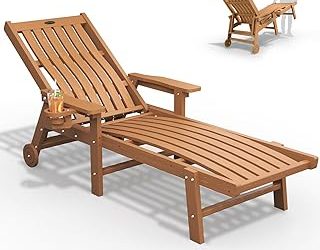
Oversized Outdoor Chaise Lounge Chair 2 Pack, Dark Grey
The HDPE build gives you a genuinely tall, wide seat with rigid one-piece armrests, which is the combination that matters most for getting up unassisted. Built-in wheels and a cup holder round it out, and the five-position backrest clicks firmly without needing much grip strength.
Aluminum Chaise Lounge Chair Outdoor, Khaki
Arrives assembly-free and folds flat, so there’s no bag of hardware and no allen key required, a real advantage if dexterity is limited. The aluminum frame keeps it light enough to reposition one-handed while still feeling planted on uneven pavers.
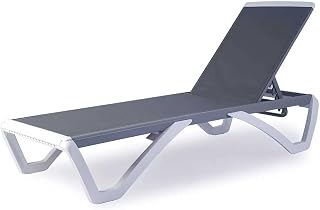
Kozyard Fully Flat Adjustable Patio Lounger
The standout here is the fully flat position, which helps anyone managing back pain or circulation issues. Textilene mesh over an aluminum frame breathes well in heat and dries within minutes, and the resin legs won’t scratch a deck.
Wicker Recliner Set of 2, Navy Blue Cushion
Cushioned rattan is the comfortable choice for long afternoons, and the thicker seat pad raises effective sit height by a couple of useful inches. Plan on bringing the cushions inside during wet stretches to keep the covers fresh.
EUNHOO Outdoor Chaise Lounge Set of 2
A sensible pair for households that want matching seating without a big outlay, with five backrest positions and waterproof fabric that handles sprinklers and morning dew. Lighter duty than the HDPE option, so treat it as patio furniture rather than a permanent poolside fixture.
Frequently Asked Questions
What seat height works best for seniors?
Roughly 16 to 19 inches. Sitting height should let both feet rest flat with knees at about 90 degrees. If a favorite chair sits low, a firm 2-inch outdoor cushion is a legitimate fix that adds height without raising tip risk.
Are ultra-portable beach loungers a good idea?
Models like the Ostrich Original Chaise Lounge fold small and travel beautifully, but they sit very close to the ground. They’re a fine second chair for someone who still gets up from low positions comfortably, not a primary patio seat.
Can I raise an existing chaise myself?
Often yes. Threaded furniture risers or hardwood blocks fastened under the leg feet can add an inch or two safely, provided the footprint stays wide and the fasteners go into solid frame, not thin tubing.
How much maintenance do these actually need?
HDPE and aluminum need soapy water twice a season. Check every bolt and hinge pin each spring, since a loose armrest is the failure point that matters most for stability.
Final Thoughts
For most households, the Oversized HDPE 2 Pack is the safest all-around choice thanks to its tall seat, solid armrests, and zero-upkeep material. The assembly-free Aluminum Khaki lounger suits anyone who wants a single chair ready in seconds, while the Kozyard fully flat lounger is the pick when lying completely level brings real relief.