Key takeaways
- Adhesion over old finishes: Chalk and hybrid furniture paints grip sealed wood without stripping, which saves you the worst part of the job. If the label promises no sanding or priming, scuff-sand glossy areas anyway with 220-grit — it takes ten minutes and doubles your odds of a bond that lasts.
- Sheen matters more than color: Matte and chalk finishes hide old dings and uneven grain beautifully but show fingerprints on drawer pulls and edges. Semi-gloss wipes clean and resists scuffs, making it the smarter pick for a kid’s room or a dresser that doubles as a changing table.
- Coverage math before you buy: A standard six-drawer dresser needs roughly 24 to 32 ounces for two coats. Buying a 5-ounce bottle for a full piece means color-matching a second batch mid-project, which never goes as smoothly as you’d hope.
- Brush versus spray application: Spray cans excel on spindles, turned legs, and detailed molding where a brush leaves pooling. Flat drawer fronts and wide side panels go faster and cheaper with a brush or small foam roller.
- Indoor safety and cure time: Water-based, non-toxic formulas let you work in a bedroom without evacuating the house. Watch the difference between dry-to-touch (often an hour) and fully cured (usually seven to fourteen days) — load drawers too early and the paint will bond to itself along the runners.
What's inside
That dresser you dragged out of a garage sale looks promising until you get it home and actually stare at it. The old finish is blotchy, there’s a water ring on top, and the drawer fronts have that sticky orange sheen 1980s oak developed as it aged. Grab the wrong can and you’ll find out fast: paint that beads up over the original topcoat, brush marks that harden like corduroy, or a surface that feels tacky three weeks later and peels off in ribbons the first time a drawer sticks. Wooden dressers are unforgiving because every square inch gets touched, bumped, and slid against.
The good news is that furniture-specific paint has come a long way, and most of the current formulas are water-based, low-odor, and forgiving enough to use in a spare bedroom with the window cracked. This guide walks through what actually matters when you’re picking a can — adhesion, sheen, coverage per ounce, whether you need to sand — and then breaks down six paints worth your money in 2026, from small test-batch bottles to quart tubs that’ll cover a full nine-drawer piece.
As an Amazon Associate we earn from qualifying purchases.



🛒 Best Price Today on Amazon
Prime members get fast, free shipping on everything above, plus member-only deals. New members get a 30-day free trial — cancel anytime.
How to Choose a Paint For Wooden Dresser (2026)
- Adhesion over old finishes: Chalk and hybrid furniture paints grip sealed wood without stripping, which saves you the worst part of the job. If the label promises no sanding or priming, scuff-sand glossy areas anyway with 220-grit — it takes ten minutes and doubles your odds of a bond that lasts.
- Sheen matters more than color: Matte and chalk finishes hide old dings and uneven grain beautifully but show fingerprints on drawer pulls and edges. Semi-gloss wipes clean and resists scuffs, making it the smarter pick for a kid’s room or a dresser that doubles as a changing table.
- Coverage math before you buy: A standard six-drawer dresser needs roughly 24 to 32 ounces for two coats. Buying a 5-ounce bottle for a full piece means color-matching a second batch mid-project, which never goes as smoothly as you’d hope.
- Brush versus spray application: Spray cans excel on spindles, turned legs, and detailed molding where a brush leaves pooling. Flat drawer fronts and wide side panels go faster and cheaper with a brush or small foam roller.
- Indoor safety and cure time: Water-based, non-toxic formulas let you work in a bedroom without evacuating the house. Watch the difference between dry-to-touch (often an hour) and fully cured (usually seven to fourteen days) — load drawers too early and the paint will bond to itself along the runners.
The Best Paint For Wooden Dresser (2026)s Reviewed
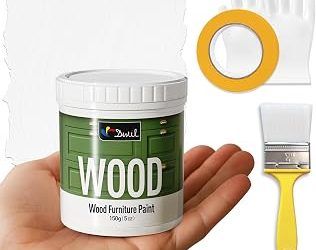
DWIL Matte Wood Paint, 32 Oz Ivory White
This is the size that makes sense for a real dresser project, and the included tools mean you’re not making a second trip for a brush. The ivory white lays down flat and creamy with almost no lap marks, though it needs a full two coats over darker stains to stop the old color from ghosting through.
Rust-Oleum Chalked Ultra Matte Spray, Linen White
Spray is the right answer for carved trim, turned legs, and drawer interiors where a brush leaves runs, and this one atomizes fine enough to avoid orange peel if you keep the can moving eight inches out. One-coat coverage is honest on light woods; expect two passes on anything previously stained walnut or cherry.
DWIL Acrylic Semi-Gloss, 32 Oz Grey Blue
If your dresser lives somewhere it’ll get wiped down constantly, the semi-gloss acrylic is the durability upgrade over a chalk finish. The grey blue reads as a soft, slightly muted tone rather than a nursery pastel, and it levels well enough that a decent synthetic brush leaves virtually no stroke texture.
Chalk Paint for Furniture, 25.36 fl oz Pure White with Brush
A genuine chalk formula with the toothy, powdery finish that takes wax or distressing beautifully, plus the bundled brush is stiff enough to push paint into grain. Plan on sealing it — bare chalk paint on a dresser top will absorb every ring and spill you set down.
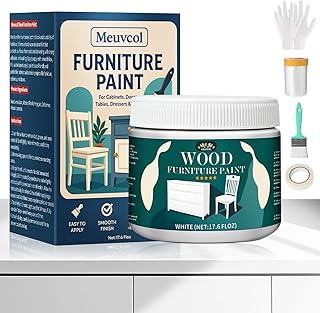
Furniture Paint for Wood & Cabinets, 17.6 Oz White Matte
A solid middle-ground quantity that covers a small three-drawer dresser or nightstand pair with room to spare. Adhesion over factory finishes is genuinely strong, and it dries fast enough to recoat the same afternoon.
Frequently Asked Questions
Do I really need to sand a wooden dresser before painting?
Not with most modern furniture paints, but a light scuff with 220-grit on glossy or varnished surfaces significantly improves adhesion. Always clean with a degreaser first — old furniture polish and hand oils cause more failures than skipped sanding does.
How much paint will a six-drawer dresser take?
Budget 24 to 32 ounces for two coats including drawer fronts and sides. Skip painting drawer interiors and runners entirely; paint buildup there causes sticking that’s miserable to fix later.
Should I seal the paint with a topcoat?
Yes for chalk and flat matte finishes, especially on the dresser top. A water-based polyacrylic in matte or satin adds abrasion resistance without yellowing. Semi-gloss acrylics are durable enough to skip it in low-traffic spots.
Why did my paint peel off in sheets?
Almost always contamination or an unsanded slick surface. Silicone-based polishes leave a residue that water-based paint can’t grip, so wash with TSP substitute or denatured alcohol before your first coat.
Final Thoughts
For most full-size dresser projects, the DWIL 32 Oz Matte in Ivory White is the practical starting point — enough volume to finish the job with tools included. Reach for the Rust-Oleum Chalked spray when your piece has detailed legs or molding, and choose the DWIL Semi-Gloss Grey Blue if the dresser needs to survive daily wiping and real household traffic.