Key takeaways
- Measure your shelf depth first: Tanning ledges typically run 6 to 12 inches. An in-pool lounger rated for 9 inches of water will float and skate in 4 inches, and half-submerge your seat in 14. Pull out a tape measure before you shop, and check the depth at the deep edge of the shelf, not the shallow lip.
- Understand the weighting method: Water-fill chambers are the practical choice because they ship light and anchor heavy. Look for chambers with wide fill ports and a drain plug you can reach without flipping the whole chair. Sand-filled designs hold better in current but are miserable to empty come October.
- Rotomolded LDPE beats tube-and-fabric for submerged use: A single-piece polyethylene shell has no seams to leak, no fabric to mildew, and no fasteners to corrode. For dry-deck chairs, steel with a proper e-coat primer under the powder coat is fine; bare powder coat over raw tubing is not.
- Check the recline mechanism’s failure point: Five-position backrests usually pivot on a stamped bracket. Look for a design where the load transfers into the frame rail rather than into the pin itself, and where you can replace the hardware with off-the-shelf stainless bolts. That one detail decides whether year four is a repair or a landfill trip.
- Buy in the quantity you’ll actually use: Multi-packs cut cost per chair substantially, but stackability matters more than the discount. Confirm the chairs nest flat for winter storage, or you’ll be building a rack you didn’t plan on.
What's inside
I’ve spent enough summers dragging waterlogged furniture around a pool deck to know the real problem: most lounge chairs are built for lawns, not water. Sling fabric mildews from the underside where you never look. Powder-coated tubing chips at the foot caps and starts weeping rust onto the concrete. And the ones marketed as “in-pool” loungers either float off the second you shift your weight, or they’re so overbuilt you need two people and a bad back to reposition them. Buyers end up replacing chairs every other season, which is a waste of money and a waste of a perfectly good afternoon.
This guide sorts the current crop into two honest camps: water-weighted loungers that live on your tanning ledge or Baja shelf, and adjustable deck recliners that stay dry. I’ve looked at what the frames are actually made of, how the weighting systems behave in six to nine inches of water, and which models you can service yourself with a screwdriver instead of tossing in the spring. Below you’ll find how to match a chair to your specific pool geometry, five picks worth your attention, and answers to the questions that come up after the box is open.
As an Amazon Associate we earn from qualifying purchases.


🛒 Best Price Today on Amazon
Prime members get fast, free shipping on everything above, plus member-only deals. New members get a 30-day free trial — cancel anytime.
How to Choose a Pool Chaise Lounge Chair (2026)
- Measure your shelf depth first: Tanning ledges typically run 6 to 12 inches. An in-pool lounger rated for 9 inches of water will float and skate in 4 inches, and half-submerge your seat in 14. Pull out a tape measure before you shop, and check the depth at the deep edge of the shelf, not the shallow lip.
- Understand the weighting method: Water-fill chambers are the practical choice because they ship light and anchor heavy. Look for chambers with wide fill ports and a drain plug you can reach without flipping the whole chair. Sand-filled designs hold better in current but are miserable to empty come October.
- Rotomolded LDPE beats tube-and-fabric for submerged use: A single-piece polyethylene shell has no seams to leak, no fabric to mildew, and no fasteners to corrode. For dry-deck chairs, steel with a proper e-coat primer under the powder coat is fine; bare powder coat over raw tubing is not.
- Check the recline mechanism’s failure point: Five-position backrests usually pivot on a stamped bracket. Look for a design where the load transfers into the frame rail rather than into the pin itself, and where you can replace the hardware with off-the-shelf stainless bolts. That one detail decides whether year four is a repair or a landfill trip.
- Buy in the quantity you’ll actually use: Multi-packs cut cost per chair substantially, but stackability matters more than the discount. Confirm the chairs nest flat for winter storage, or you’ll be building a rack you didn’t plan on.
The Best Pool Chaise Lounge Chairs (2026) Reviewed
Aqua Outdoors In-Pool Lounge Chair
The heavy-duty LDPE shell is the standout here, rotomolded as one piece so there’s genuinely nothing to delaminate or rust, and the water-weighted base holds position in 9 inches without the skate you get from hollow designs. If your pool has a proper sun shelf, this is the one I’d build a setup around.
Coast Modern In-Pool Chaise Lounger
Coast Modern’s contoured shell reads more like patio furniture than pool gear, which matters if the chair spends half its life on the deck. The weighted chambers fill fast and the profile is low enough to sit comfortably on a shallow Baja shelf.
Coast Modern In-Pool Lounger (Gray)
Same chassis and weighting system as the base model, finished in a gray that hides the mineral film hard water leaves behind far better than white does. Worth the identical money if you’re on well water or running a high-calcium fill.
Coast Modern In-Pool Lounger (Sand)
The sand colorway runs noticeably cooler underfoot in direct sun than darker finishes, a real consideration on a shelf that sits half-exposed at midday. Functionally identical otherwise, so pick on where your pool gets its light.
Metal Pool Chaise Lounge Set of 2
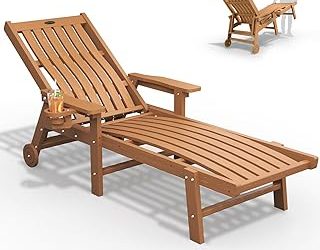
These are dry-deck recliners, not in-pool loungers, and the five-position metal frame is the most repairable design in this roundup. Swap the factory hardware for stainless before first use and you’ll get many seasons out of a chair that costs a fraction of a cast set.
Frequently Asked Questions
Can in-pool loungers sit on a regular deck too?
Yes, and most owners move them back and forth constantly. Drain the water chambers before you carry one, and put felt or rubber pads under the feet so the shell doesn’t scuff pavers.
Will a water-weighted chair stay put with kids swimming nearby?
In a residential pool with normal wake, yes. Fill the chambers completely, since a partially filled chamber lets water slosh and creates the exact rocking motion you’re trying to prevent.
How do I winterize these?
Drain every chamber fully, leave the plugs out so trapped moisture can escape, and store upside down or on edge. Water left inside will freeze, expand, and split even thick LDPE.
Do metal recliners need covers?
Cover them or store them indoors. A quick annual pass with rust-inhibiting touch-up paint on the foot caps and pivot points costs almost nothing and roughly doubles the useful life of the frame.
Final Thoughts
If your pool has a tanning ledge, start with the Aqua Outdoors LDPE lounger for its one-piece shell and reliable water weighting, or the Coast Modern chaise if you want something that looks equally at home on the deck. For dry-side seating on a budget, the Metal Pool Chaise set of two is the most fixable frame here, which in outdoor furniture is the same thing as the most durable.