Key takeaways
- Reverse osmosis systems push household water through a semipermeable membrane and a set of pre- and post-filters before it reaches a dedicated faucet.
Reverse osmosis systems push household water through a semipermeable membrane and a set of pre- and post-filters before it reaches a dedicated faucet or pitcher. The shopping decision is rarely about the membrane itself. It is about format: a tank-based under-sink unit with a stored supply, a tankless under-sink unit that makes water on demand, or a countertop unit that needs no plumbing. Each format changes how much space you need, how fast water arrives, and how much water goes to the drain along the way.
This guide is for homeowners and renters who want a drinking-water upgrade at the kitchen sink and are comparing seven systems by stage count, daily output, certifications named in the titles, and installation style. It makes no claim about what any system removes, because that depends on your water supply. Confirm certifications on the listing, and test your tap water before choosing, since results guide which filtration steps matter. As of 2026, tankless designs and remineralization stages are the features buyers ask about most.
Quick Picks
Our top picks


As an Amazon Associate we earn from qualifying purchases at no extra cost to you.
| Product | Best for | Key spec from the title |
|---|---|---|
| iSpring RCC7AK-BN | Under-sink tank users wanting alkaline output | 75 GPD, 6-stage, pH+ remineralization, NSF certified |
| Waterdrop G3P600 | Tankless under-sink installs | 8-stage, NSF/ANSI 42, 53, 58, 372 |
| iSpring RCC7AK-UV | Buyers wanting a UV stage | 7-stage, alkaline, LED UV filter, NSF 58 and 372 |
| Express Water RO5DX | Simple 5-stage setup | 50 GPD, NSF 372 and 58, chrome faucet |
| Waterdrop G5P500A | Tankless with alkaline stage | 8-stage, NSF/ANSI 58 and 372, alkaline pH+ |
| DREO Countertop RO | Renters and install-free use | 3:1 pure to drain, TDS display, 2 pitchers |
| APEC ROES-50 | Classic tank-based under-sink unit | 5-stage, 50 GPD, NSF/ANSI 372 and 58, with tank |
How to Choose
Choose the format first
Tank-based under-sink systems store treated water in a small pressurized tank and deliver it quickly through a dedicated faucet, but they need cabinet space for both the filters and the tank. Tankless units make water on demand and take up less room, though they often need a power connection. Countertop units skip plumbing, sit beside the sink, and suit renters, but they usually have a smaller reservoir and need manual refilling.
Read GPD and drain ratio carefully
GPD means gallons per day, a rated daily output under test conditions, and a household that drinks and cooks with RO water rarely needs more than 50 GPD. A 75 GPD rating mostly means a faster refill rate for the tank. Waste ratio, such as the 3:1 pure-to-drain figure on the countertop unit, tells you how much water is sent to the drain for each unit of finished water. A better ratio reduces waste, but check how the maker defines it.
Certifications and stages
NSF/ANSI standards named in titles, such as 58 for RO systems and 372 for lead-free construction, are worth verifying through the certifier’s public database rather than trusting the listing alone. Stage counts, from five up to eight, describe how many filter elements the water passes through. More stages are not automatically better; match them to your water report. Alkaline or remineralization stages add minerals back after filtering and change taste, not safety.
Installation and where budget systems cut corners
Under-sink installs require drilling a faucet hole or using an existing one, a drain saddle, and an inlet valve. If you are not comfortable with plumbing, hire a plumber. Budget systems often cut corners with plastic fittings, short tubing, and proprietary filters with limited availability, so look at replacement-filter pricing and schedules before buying. Test your tap water first and again after installation as general good practice.
The 7 Best Options
iSpring RCC7AK-BN
This iSpring model is a 6-stage under-sink RO system rated at 75 GPD, with pH+ remineralization and a brushed nickel faucet, and the title calls it NSF certified. It is a fit for households that like the taste of mineralized water and want a tank-based setup. The top-mounted faucet design is described as patented, which hints at a focus on easy installation, and the brushed nickel finish blends with many kitchens. Buyers who plan to install it themselves should still read the manual closely.
- A 75 GPD rating suggests a quick tank refill.
- The alkaline stage is intended to add minerals back after filtering.
- Trade-off: a tank and multiple stages take up real cabinet space.
Skip it if you have a tiny sink cabinet or want a tankless design. Confirm exactly which components carry the NSF certification on the listing, and keep the sink cabinet measurements handy when you compare it with tankless designs.
Waterdrop G3P600
The G3P600 is a tankless RO system with an 8-stage design and a silver faucet, and its title names NSF/ANSI 42, 53, 58, and 372. It is the option with the most standards listed, so check each against the certifier’s database. A silver faucet and an 8-stage chain make it a feature-heavy tankless choice for households that want a compact under-sink footprint and are comfortable with a powered unit.
- A tankless build saves cabinet space.
- Multiple NSF/ANSI standards are named in the title.
- Trade-off: tankless systems typically need power and a clear spot for the unit.
Skip it if you prefer a fully non-electric setup or a classic tank. Review the listing for flow rate and filter replacement details. Standards named in a title still need confirming, because not every part of a system always carries each one.
iSpring RCC7AK-UV
A 7-stage system with an alkaline stage and an LED UV filter, this iSpring lists NSF 58 and 372 certifications and a top-mounted faucet design. The UV stage appeals to buyers who want an extra step in the lineup. It also keeps the top-mounted faucet design from the iSpring family, so the look is familiar. Households with private well water often compare UV options, but they should test the supply and read the listing rather than assume what any stage does.
- The UV stage adds an extra step beyond the basic RO chain.
- The alkaline stage affects taste.
- Trade-off: the UV component adds a power connection and another part to maintain.
Skip it if you want the fewest moving parts. Check what the certifications cover, since a UV stage may not carry the same certification as the main RO. Also confirm the electrical requirements and the replacement schedule for the lamp.
Express Water RO5DX
This 5-stage under-sink RO system is rated at 50 GPD, lists NSF 372 and 58 certifications, and includes a deluxe chrome faucet. Its straightforward spec makes it a standard pick for first-time RO buyers. The deluxe chrome faucet is part of the package, and the title leans on certifications rather than extra gadgets. For a household that wants plain drinking water at one tap, this approach avoids add-ons it may never use.
- A 50 GPD rating matches typical household drinking and cooking use.
- Both NSF standards are named in the title.
- Trade-off: the system is a traditional tank design with a larger footprint.
Skip it if you want a tankless or alkaline model. Replacement-filter availability deserves a look before purchase, along with how the stages are labeled and how long the first set is expected to last.
Waterdrop G5P500A
The G5P500A is a tankless 8-stage RO system with alkaline mineral pH+ and a listing of NSF/ANSI 58 and 372. It combines tankless convenience with taste-oriented remineralization. Compared with the G3P600, the title lists fewer NSF/ANSI standards, so shoppers weighing certifications should read both pages side by side. The alkaline stage is the headline difference for people who dislike the flat taste of fully demineralized water.
- Tankless design frees up under-sink space.
- An alkaline stage is included for flavor.
- Trade-off: more stages mean more replacement filters over time.
Skip it if you prefer a simple five-stage setup or do not want a powered unit. Extra filters mean extra replacement dates, so set reminders if you buy it.
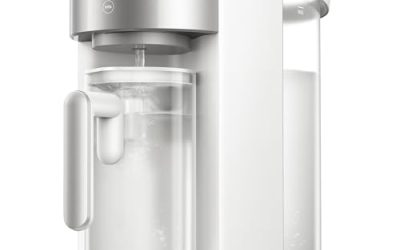
DREO Countertop RO
The DREO sits on the counter and requires no installation, with a 3:1 pure-to-drain ratio, a TDS display, filter life tracking, self-cleaning, and two autofill pitchers. It is aimed at renters and anyone avoiding plumbing work. The TDS display and filter life tracking give visible feedback, though a TDS reading is a simple measurement and is not a full water analysis. Self-cleaning and autofill pitchers are meant to cut down on manual steps.
- No installation is needed.
- The drain ratio is stated in the title.
- Trade-off: a countertop unit uses counter space and a smaller reservoir.
Skip it if you want a dedicated faucet or a larger supply. A second DREO countertop listing exists, so compare both pages. Think about where a countertop unit will sit and how often the reservoir will need attention.
APEC ROES-50
APEC’s ROES-50 is a 5-stage under-sink RO system with a tank, rated at 50 GPD and listing NSF/ANSI 372 and 58. It is a conventional design that appeals to buyers who want a well-known name and a familiar layout. Five stages with a storage tank is the classic arrangement, and parts for that format tend to be easy to find. It is a sensible reference point when comparing the more feature-packed tankless entries against a traditional build.
- A tank provides stored water for quick fills.
- The 50 GPD rating matches household needs.
- Trade-off: the installation takes cabinet space and some plumbing.
Skip it if you want a tankless build or built-in alkaline stage. Anyone short on cabinet depth should also measure first, since the tank and filter housings need clearance.
Which One Fits Your Situation
You rent and cannot modify plumbing
Go with the DREO Countertop RO, which needs no installation.
You want to save cabinet space
The Waterdrop G3P600 or the Waterdrop G5P500A are tankless, with the G5P500A adding an alkaline stage.
You like the taste of mineralized water
The iSpring RCC7AK-BN and iSpring RCC7AK-UV include alkaline stages. Pick the UV version if you want the extra step.
You want a classic tank setup
The APEC ROES-50 and the Express Water RO5DX are the traditional choices.
Common Mistakes
- Skipping a water test before choosing stages.
- Assuming every NSF mention covers the whole system.
- Ignoring replacement filter cost and availability.
- Underestimating the cabinet space a tank requires.
- Forgetting to flush new filters as the instructions describe.
Related guides
- Battery Powered Floodlight Camera With Local Storage
- Cordless Drill Brush Attachment For Bathroom Grout
- Rechargeable Emergency Lantern For Power Outages
Frequently Asked Questions
Does reverse osmosis waste water?
Yes, some water goes to the drain. The ratio varies by model, so look for the figure in the listing. Some owners route the drain water to a plant bed or a bucket, but check local plumbing rules before changing how the drain line is set up.
What does NSF/ANSI 58 mean?
It is a standard for reverse osmosis drinking water systems. Verify the certification through the certifier’s database.
Is a storage tank required?
Not always. Tankless and countertop units skip the tank, while tank-based systems store water for faster dispensing.
How often are filters replaced?
Schedules vary by stage and water quality. Check the listing and follow the manufacturer’s instructions. Sediment and carbon stages generally change more often than the membrane, so keep a calendar reminder.
More from Amazon
Programs that pair well with the guide above. Offers and eligibility are set by Amazon and may change.
A free business account with business pricing and bulk-buying tools for work, shop or home office.
Create a business accountFree shipping on eligible items, Prime Video and more. Eligible new members can start with a free trial.
Start a Prime free trialAudiobooks and podcasts to listen to on the go. Eligible new members can start with a free trial.
Try Audible freeAd-free music streaming. Eligible new subscribers can start with a free trial.
Try Music Unlimited freeAs an Amazon Associate we earn from qualifying purchases.