Key takeaways
- Measure before you shop: Stand a tape measure against the side of your bare mattress, from the platform to the top surface, then add the thickness of any topper or protector. Buy pockets rated at least two inches deeper than that number — a sheet that barely reaches has nothing left to grip with.
- All-around elastic beats corner elastic: Sheets with elastic sewn around the entire hem hug a foam mattress evenly instead of pulling from four points. On slick foam surfaces this is the single biggest difference between a sheet that stays and one that doesn’t.
- Favor breathability over thread-count bragging: Foam already limits airflow, so you want a weave that vents. Microfiber and brushed polyester in the 1800-series range sleep cooler than dense sateen cottons, and percale-style weaves beat smooth finishes for air movement.
- Check the Oeko-Tex mark: Certification means the fabric was tested for harmful chemical residue. Worth prioritizing if you’re sensitive to finishes, and a reasonable proxy for a manufacturer that documents its supply chain.
- Count the pieces: Six-piece sets add a second pair of pillowcases, which sounds like filler until laundry day when you don’t have to strip the whole bed. Small thing, real quality-of-life gain.
What's inside
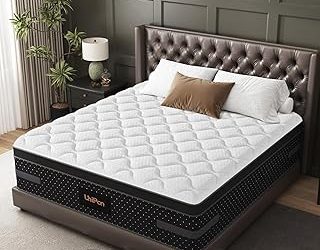
Memory foam does something no innerspring ever did: it grips. Slide a standard fitted sheet over a 12-inch foam slab and the corners pop off by Tuesday, because foam has zero give at the edges and the sheet has nowhere to stretch into. Add a mattress topper — which most foam owners do — and suddenly you’re wrestling a 16-inch profile with sheets cut for a 10-inch bed. The other half of the problem is heat. Foam contours around you, which means less air moving under your body, so a sheet that traps warmth turns a comfortable mattress into a sweaty one.
I’ve spent enough weekends re-tucking corners and measuring mattress heights with a tape hooked over the edge to know what actually solves this. This guide covers the sheet sets built for deep foam profiles: what pocket depth you actually need, which fabrics move heat away instead of holding it, and how elastic construction determines whether a sheet stays put through a night of tossing. Below are six sets worth your money in 2026, plus the specs to check before you buy.
As an Amazon Associate we earn from qualifying purchases.


🛒 Best Price Today on Amazon
Prime members get fast, free shipping on everything above, plus member-only deals. New members get a 30-day free trial — cancel anytime.
How to Choose a Sheets For A Memory Foam Mattress (2026)
- Measure before you shop: Stand a tape measure against the side of your bare mattress, from the platform to the top surface, then add the thickness of any topper or protector. Buy pockets rated at least two inches deeper than that number — a sheet that barely reaches has nothing left to grip with.
- All-around elastic beats corner elastic: Sheets with elastic sewn around the entire hem hug a foam mattress evenly instead of pulling from four points. On slick foam surfaces this is the single biggest difference between a sheet that stays and one that doesn’t.
- Favor breathability over thread-count bragging: Foam already limits airflow, so you want a weave that vents. Microfiber and brushed polyester in the 1800-series range sleep cooler than dense sateen cottons, and percale-style weaves beat smooth finishes for air movement.
- Check the Oeko-Tex mark: Certification means the fabric was tested for harmful chemical residue. Worth prioritizing if you’re sensitive to finishes, and a reasonable proxy for a manufacturer that documents its supply chain.
- Count the pieces: Six-piece sets add a second pair of pillowcases, which sounds like filler until laundry day when you don’t have to strip the whole bed. Small thing, real quality-of-life gain.
The Best Sheets For A Memory Foam Mattress (2026)s Reviewed
Hearth & Harbor Extra Deep Pocket Queen Sheets
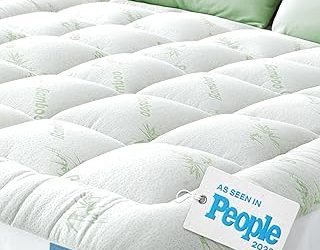
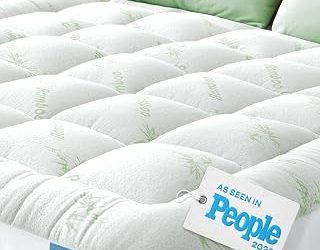
Rated for 18 to 24 inches, this is the set for anyone running a thick foam mattress plus a topper — the range most sheets simply don’t cover. The six-piece configuration and generous hem depth mean you’re not stretching fabric to its limit, which is exactly why these hold their corners.
DREAMCARE Queen Sheet Set, Extra Deep
Up to 21 inches of pocket depth with side pockets sewn in, a detail that adds real grip on foam edges rather than relying on tension alone. The cooling-oriented fabric is a sensible match for a mattress that already runs warm.
Bare Home Queen Sheet Set, 1800 Ultra-Soft
The 6-to-15-inch pocket range fits standard foam mattresses without a topper, and the 1800 microfiber breathes better than its softness suggests. Hypoallergenic construction makes this the practical pick for allergy-prone sleepers.
Queen 4-Piece Cooling Sheet Set, White
A clean hotel-style white set with deep pockets and an easy-fit hem, aimed squarely at sleepers who want cooling performance without a six-piece price. Oeko-Tex certified and genuinely wrinkle-resistant straight out of the dryer.
Extra Deep Queen Sheet Set, Off White
Six pieces, extra-deep pockets, and a secure-fit hem in a softer off-white that hides wear better than bright white. A solid all-rounder if you want deep-pocket security and spare pillowcases in one purchase.
Frequently Asked Questions
Do memory foam mattresses need special sheets?
Not special so much as correctly sized. Foam is denser and often taller than an innerspring, and its surface offers no friction, so you need deeper pockets and stronger elastic than a standard set provides.
What pocket depth should I buy?
Measure your mattress and add two inches of headroom, then include any topper. Most foam mattresses land between 10 and 14 inches, but toppers push many setups into the 16-to-20-inch bracket.
Are cotton or microfiber sheets better on foam?
Microfiber and polyester blends generally sleep cooler on foam because they wick moisture and dry fast. Cotton feels crisper but holds warmth against a mattress that isn’t venting from below.
How do I stop sheets from sliding off?
Choose all-around elastic, get the depth right, and if a corner still lifts, add sheet suspender straps underneath. Oversized pockets on a shallow mattress cause slipping just as often as undersized ones.
Final Thoughts
For the deepest setups — thick foam plus a topper — the Hearth & Harbor extra deep set covers a range almost nothing else does. The DREAMCARE set is the smarter buy if cooling is your priority, thanks to its side pockets and breathable weave, while Bare Home’s 1800 set is the best-value pick for a standard foam mattress without a topper. Measure first, then choose from there.