Key takeaways
- Grout access: A flat mop pad glides over recessed joints without touching them. Look for a detachable handheld with a nylon detail brush, or a triangular jet nozzle you can run along the seam. This single feature separates surface cleaning from real grout work.
- Steam temperature and control: Anything under 200°F struggles with kitchen grease. Variable steam settings matter more than raw output, since a light mist suits polished marble-look tile while a heavy blast belongs on textured slate or a mudroom entry.
- Tank size versus balance: Larger reservoirs mean fewer trips to the sink, but the weight sits high on stick models and fatigues your wrist. Around 15 to 20 ounces hits the sweet spot for a typical kitchen and bath run; canister units carry their water low, so capacity costs you nothing in handling.
- Heat-up and refill design: Ten to thirty seconds is standard now. Check whether the tank detaches or fills in place through a narrow port, because a fixed tank with an awkward opening turns a two-minute refill into a spill.
- Pad construction: Microfiber alone slides. Pads with woven scrub strips or dirt-grip texture give you mechanical agitation alongside the heat, which is what finally breaks film loose on satin-finish porcelain.
What's inside
Tile floors look forgiving until you get down on your knees with a flashlight. The glaze wipes clean, sure, but the grout lines sitting a millimeter below the surface act like a hundred tiny gutters, collecting mop water, shoe grit, and whatever the dog tracked in last week. Anyone who has regrouted a bathroom knows the frustration: you seal the joints, they look sharp for a season, then the haze creeps back. Cold water and a string mop mostly redistribute the problem. What actually lifts it is heat, and enough dwell time on the joint to soften whatever has bonded there.
That is where a steam mop earns its keep. Pressurized vapor at roughly 200 to 250°F loosens grease and mineral film without a drop of detergent, which matters if you have sealed grout you would rather not strip. This guide walks through the machines worth your money in 2026, split between lightweight stick units for weekly upkeep and canister systems for genuine restoration work. I have flagged which ones handle textured porcelain, which ones actually reach into grout, and which corners get cut to hit a lower price.
As an Amazon Associate we earn from qualifying purchases.



🛒 Best Price Today on Amazon
Prime members get fast, free shipping on everything above, plus member-only deals. New members get a 30-day free trial — cancel anytime.
How to Choose a Steam Mop For Tile (2026)
- Grout access: A flat mop pad glides over recessed joints without touching them. Look for a detachable handheld with a nylon detail brush, or a triangular jet nozzle you can run along the seam. This single feature separates surface cleaning from real grout work.
- Steam temperature and control: Anything under 200°F struggles with kitchen grease. Variable steam settings matter more than raw output, since a light mist suits polished marble-look tile while a heavy blast belongs on textured slate or a mudroom entry.
- Tank size versus balance: Larger reservoirs mean fewer trips to the sink, but the weight sits high on stick models and fatigues your wrist. Around 15 to 20 ounces hits the sweet spot for a typical kitchen and bath run; canister units carry their water low, so capacity costs you nothing in handling.
- Heat-up and refill design: Ten to thirty seconds is standard now. Check whether the tank detaches or fills in place through a narrow port, because a fixed tank with an awkward opening turns a two-minute refill into a spill.
- Pad construction: Microfiber alone slides. Pads with woven scrub strips or dirt-grip texture give you mechanical agitation alongside the heat, which is what finally breaks film loose on satin-finish porcelain.
The Best Steam Mop For Tile (2026)s Reviewed
McCulloch MC1385 Canister Steam Cleaner
This is the tool you buy when grout restoration is the actual goal rather than a side benefit. The canister holds serious pressure and the 23-piece accessory set includes the stiff detail brushes and jet nozzles that let you work a joint at a time, though the hose-and-wand format asks more of you than a stick mop.
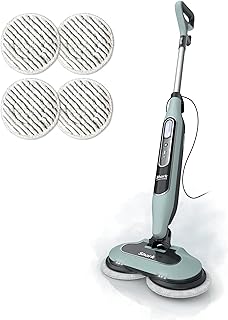
Shark Steam & Scrub S8001
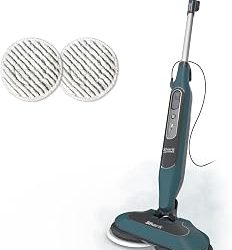
The rotating pad system does the scrubbing motion for you, which is a genuine advantage on large tile expanses where your shoulder gives out before the floor is done. LED headlights sound gimmicky until you use them and see the streaks you have been leaving behind.
BISSELL PowerFresh 1940A
Still the reference point for straightforward tile cleaning, thanks to a 12-inch path and a flip-down scrubber that engages stubborn spots without swapping attachments. Three steam levels give you real control between glazed ceramic and rougher stone.
PurSteam 10-in-1 Steam Mop
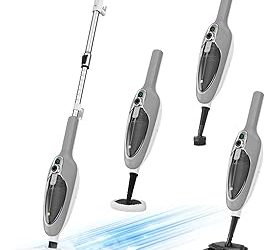
The detachable handheld is the reason to pick this one, converting from floor mop to a grout-line steamer with a brush attachment in a few seconds. Build quality is lighter than the McCulloch, but for a homeowner cleaning a couple hundred square feet it covers both jobs at one price.
10-in-1 Detachable Handheld Steam Mop
A 350ml tank and ten-second heat-up make this practical for spot work, and the 248°F output is legitimately hot enough for grease. Two-level control and a swivel head handle around toilets and cabinet kickboards well.
Frequently Asked Questions
Will steam damage my grout or sealer?
Cured grout handles steam fine. Penetrating sealers survive normal use, though repeated aggressive steaming can shorten the life of a topical acrylic sealer. Wait at least three weeks after new grout before steaming, and avoid unsealed natural stone entirely.
Do I still need cleaning products?
For routine floors, no. Heat handles bacteria and lifts most soil on its own. Heavy grease or a long-neglected floor benefits from a pre-treatment with a pH-neutral cleaner, letting the steam do the extraction afterward.
Distilled water or tap?
Distilled if your water is hard. Scale accumulates in the boiler and internal lines, and once flow drops off, output suffers permanently on sealed units.
How often should I run one?
Weekly on high-traffic tile, monthly elsewhere. Reserve deep grout work with a detail brush for two or three times a year.
Final Thoughts
For most homes, the BISSELL PowerFresh 1940A delivers the best balance of control and simplicity, and the Shark Steam & Scrub S8001 is worth the step up if you have a lot of floor to cover. If your grout has gone past maintenance and into restoration territory, the McCulloch MC1385 is the machine that will actually bring it back.