Key takeaways
- Clean ceiling fans before vacuuming or mopping so fallen dust is removed at the end.
- Use a white or light-colored microfiber sleeve to see when the blade is actually clean.
- For high ceilings, keep the pole nearly vertical and use small movements to maintain control.
- Do not use abrasive sponges, bleach, furniture polish, or soaking-wet cloths on fan components.
What's inside
Ceiling fan blades collect a surprising amount of dust, cooking residue, pet hair, and the occasional insect. When the fan runs, that buildup can scatter around the room—and a neglected blade can eventually become unbalanced and noisy. Cleaning it is simple, but the wrong method can send dust onto furniture, floors, and bedding or put you in an awkward position on a ladder.
This guide explains the safest, least messy way to clean ceiling fan blades in 2026. You’ll learn which tools are worth buying, how to choose between a hand duster and an extension model, when to use a damp cloth, and how to clean the motor housing without damaging the fan.
As an Amazon Associate we earn from qualifying purchases.


🛒 Best Price Today on Amazon
Prime members get fast, free shipping on everything above, plus member-only deals. New members get a 30-day free trial — cancel anytime.
Choose the Right Ceiling Fan Cleaning Tool
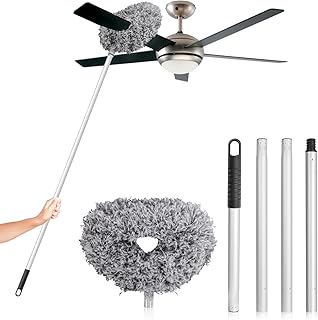
The most useful tool is a washable microfiber duster shaped to slide over the blade. Microfiber grabs dust instead of simply pushing it around, while a flexible or slightly padded head conforms to the blade’s curve. Look for a removable cover that can go in the wash; disposable dusters are convenient, but a reusable pad is less wasteful and usually more economical over time.
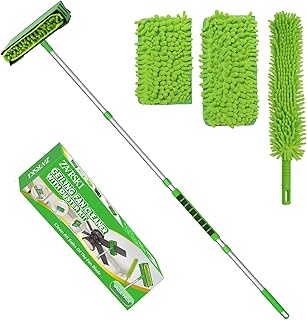
For standard-height ceilings, a short handle is often easier to control. For tall rooms, an extension pole lets you work from the floor. The DRQ Ceiling Fan Cleaner Duster and SetSail Ceiling Fan Cleaner Duster both extend from roughly 13 to 48 inches, making them practical for ordinary ceilings and nearby shelves or door tops. Similar adjustable models include the Ceiling Fan Cleaner Duster with a 49.7-inch reach and the FONUNO cleaner, which extends to about 50 inches.
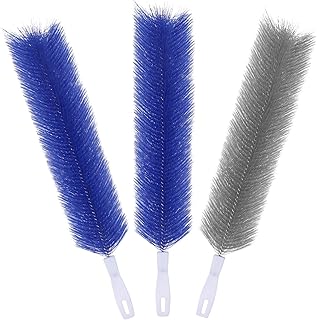
If you need substantially more reach, the 6 Ft/72-inch Extension Pole Fan Cleaner is the better fit. A long pole reduces ladder use, but it also creates more leverage, so choose one with a firm locking mechanism and keep the duster head light. For smaller jobs, the 3 Pcs Bendable Fan Cleaning Brush set is handy because its flexible microfiber heads can reach vents, curtains, molding, and tight corners as well as fan blades.
Prepare the Room Before Cleaning
Turn the fan off at the wall switch, then wait until every blade has stopped. For extra safety—especially if you will touch the fan or use a damp cloth—switch off the fan’s circuit at the electrical panel. Do not rely on a remote control alone, since someone could accidentally activate the fan while you are working.
Move fragile items and furniture out from directly beneath the fan. Cover sofas, beds, and dining tables with an old sheet if they cannot be moved. Put on safety glasses if you are cleaning a heavily dusty fan, and check the floor for anything that could make a ladder unstable. A stable step stool is preferable to stretching from a chair or leaning sideways while holding a long pole.
How to Clean Ceiling Fan Blades Without Making a Mess
- Dust the top of each blade first. Start at the end of the blade and draw the microfiber sleeve toward the motor in one controlled pass. Supporting the underside lightly with your free hand can prevent the blade from flexing, but do not force or twist it.
- Contain the dust. If using a blade-shaped sleeve, keep the opening facing upward so debris stays inside. With a flat duster or brush, work slowly and hold a vacuum nozzle nearby. Avoid spinning the fan by hand; that can strain the mechanism and spreads dust.
- Clean the underside and edges. Once the top is clear, wipe the underside, leading edge, and trailing edge. Dust often gathers along the blade’s rim, where airflow deposits it.
- Wipe stubborn residue. For greasy or stuck-on marks, use a barely damp microfiber cloth with a drop of mild dish soap diluted in water. Wring the cloth thoroughly. Never spray cleaner directly onto the blade, motor, light kit, or ceiling.
- Dry everything completely. Follow with a dry cloth and leave the fan off until all surfaces are dry. Moisture near electrical components is an avoidable risk.
Clean the Motor Housing and Other Parts
After the blades, dust the motor housing, downrod, canopy, and light fixture with a dry microfiber cloth or soft brush. Keep the tool away from vents and openings where lint could be pushed inside. If the fan has a glass shade, remove it only if the instructions allow it, then wash and dry it separately.
Check the blade screws while you are there. Cleaning is a good opportunity to spot a loose fastener, cracked blade, or sagging bracket. Tighten accessible screws gently according to the fan manufacturer’s instructions; overtightening can damage threads or distort the blade. If the fan wobbles after cleaning, inspect the blade alignment and mounting hardware rather than trying to compensate with extra weight.
How Often Should You Clean a Ceiling Fan?
Most homes benefit from a light dusting every two to four weeks during regular use and a more thorough wipe every few months. Clean more frequently in kitchens, homes with pets, rooms under renovation, or areas with allergy concerns. A quick pass is much easier than waiting for a thick, greasy layer to build up.
Store the duster with its microfiber sleeve clean and dry. Wash reusable sleeves separately from lint-producing towels, using mild detergent and avoiding fabric softener, which can reduce microfiber’s ability to attract dust. Allow the sleeve to air-dry before storing it.
Tips
- Clean ceiling fans before vacuuming or mopping so fallen dust is removed at the end.
- Use a white or light-colored microfiber sleeve to see when the blade is actually clean.
- For high ceilings, keep the pole nearly vertical and use small movements to maintain control.
- Do not use abrasive sponges, bleach, furniture polish, or soaking-wet cloths on fan components.
Frequently Asked Questions
Can I clean ceiling fan blades while the fan is running?
No. Turn the fan off and wait for the blades to stop completely. A moving blade can catch a cloth, damage the tool, or cause an injury. It can also fling dust around the room instead of trapping it.
Is a ceiling fan duster better than a vacuum?
A dedicated microfiber duster is usually faster for routine blade cleaning because it surrounds the blade and captures dust in one pass. A vacuum with a soft brush attachment is useful for loose debris and for cleaning the motor housing, but keep the nozzle from striking or bending the blades.
What is the best tool for a high ceiling fan?
Choose a lightweight microfiber head with a securely locking extension pole. A model reaching 48 to 50 inches works for many rooms, while the 72-inch tool is more suitable for taller ceilings. Test the pole’s balance before reaching over furniture.
Why does my fan still look dirty after dusting?
Dusting removes loose particles but may not remove kitchen grease, smoke film, or dried splashes. Use a well-wrung cloth with diluted mild dish soap for those areas, then wipe with clean water and dry immediately. If residue remains, check the blade material and follow the fan manufacturer’s cleaning instructions.
Conclusion
The best way to clean ceiling fan blades is to work with the fan switched off, contain dry dust with a washable microfiber sleeve, and use only a lightly damp cloth for stubborn residue. A short duster is easiest to control, while an extension model such as the DRQ, SetSail, FONUNO, or 72-inch cleaner can make high ceilings safer and more practical. Clean regularly, inspect the hardware, and your fan will stay quieter, cleaner, and more efficient with very little effort.