Key takeaways
- Find the factory jack points: Your owner’s manual shows the reinforced lift points, usually a pinch weld or subframe location. Lifting anywhere else can bend body panels or puncture the floor.
- Use a low-profile jack for low cars: A low-profile floor jack like the VEVOR 2-ton fits under sports cars and lowered vehicles that a standard jack cannot clear.
- Protect the pinch weld: A jack pad adapter, such as the TONDA jack stand pads and pinch-weld adapters, cradles the seam so it does not crush or crack under the jack saddle.
More home mechanics are hurt by a car falling off a jack than by almost any other garage mistake. A hydraulic floor jack is designed to lift a vehicle, not to hold it, and the single most important rule in DIY auto work is that you never put any part of your body under a car supported by a jack alone. Jack stands are what make the job safe, and using them correctly is a skill worth getting right the first time.
This guide walks through the complete process of safely raising a car with a floor jack and securing it on jack stands, from choosing the right rated equipment to lowering the vehicle back down. Follow every step in order, and routine jobs like brake work, oil changes, and tire rotations become genuinely safe.
Our top picks



As an Amazon Associate we earn from qualifying purchases at no extra cost to you.
⚡ Save on Your Next PC — Amazon Prime
Prime members get fast free shipping on the systems above, plus early access to Prime Day & Black Friday PC deals. New members get a 30-day free trial.
Watch: How to Safely Jack Up Your Car with Floor Jacks and Jack Stands — Video Review
Choose Properly Rated Equipment
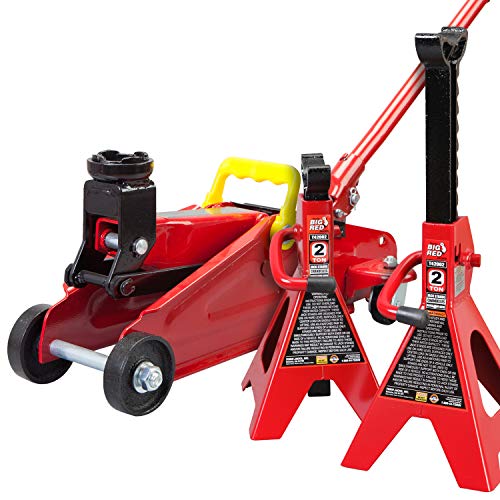
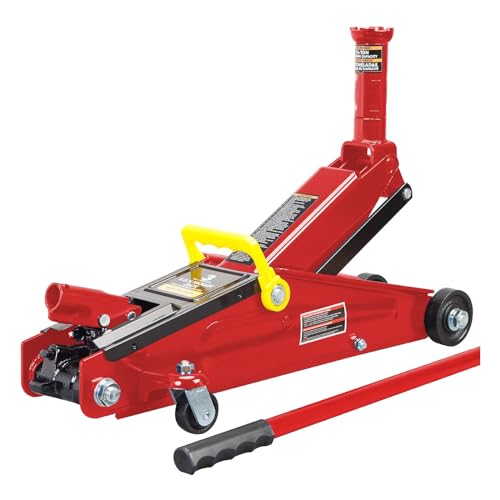
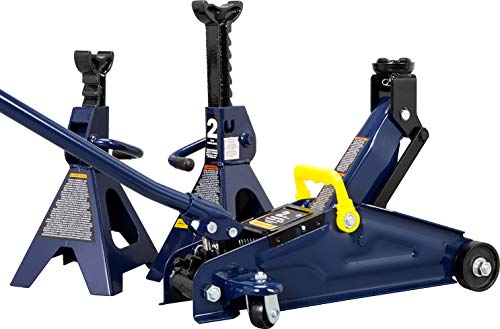
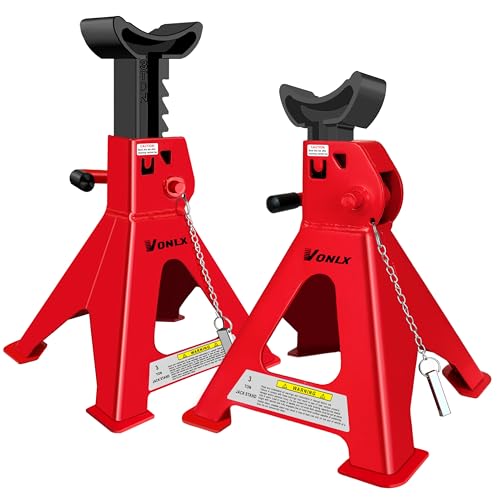
Start by matching your equipment’s capacity to your vehicle. A jack and stand rated for 2 tons (4,000 pounds) covers most compact cars and sedans, while SUVs and light trucks call for 3 tons (6,000 pounds). Combo kits like the BIG RED Torin floor jack with two jack stands or the TCE Torin combo take the guesswork out by pairing a matched jack and stands. For heavier vehicles, choose a 3-ton set such as the BIG RED T83006 jack or VONLX 3-ton stands. Never exceed a tool’s rating, and remember the capacity should exceed the weight actually resting on the lifted corner, not the whole car.
Prepare the Car and Work Surface
Safe lifting begins before the jack touches the car. Park on flat, solid ground, concrete is ideal; never jack on grass, gravel, or asphalt that can sink under load. Set the parking brake, put the transmission in park or first gear, and chock the wheels that will stay on the ground so the car cannot roll. Clearing this groundwork removes the two things that cause most jack failures: an unstable surface and a vehicle free to move.
Lift at the Correct Jack Points
- Find the factory jack points: Your owner’s manual shows the reinforced lift points, usually a pinch weld or subframe location. Lifting anywhere else can bend body panels or puncture the floor.
- Use a low-profile jack for low cars: A low-profile floor jack like the VEVOR 2-ton fits under sports cars and lowered vehicles that a standard jack cannot clear.
- Protect the pinch weld: A jack pad adapter, such as the TONDA jack stand pads and pinch-weld adapters, cradles the seam so it does not crush or crack under the jack saddle.
Position and Set the Jack Stands
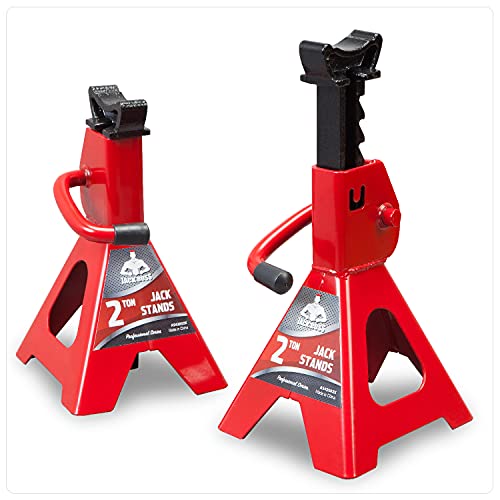
Once the corner is raised to working height, slide a jack stand under a solid, manufacturer-approved support point near the lifted area and adjust it to just below the car. Lower the floor jack slowly until the vehicle’s weight transfers fully onto the stand and the jack is merely a backup, do not remove the jack entirely. Stands like the Jack Boss low-profile 2-ton pair or the VONLX 3-ton stands with double locking give a stable base; always use them in pairs when lifting one end and confirm each is locked before trusting it.
Confirm Stability and Lower Safely
Before crawling under, shove the car firmly at the bumper to make sure it does not rock or shift on the stands. If anything moves, stop and reset. When the job is done, reverse the process: raise the car slightly with the jack to unload the stands, remove the stands, then lower the jack slowly and evenly. Rushing the lowering step is a common way to pinch fingers or drop a corner, so take it gently and keep hands clear of the pinch points.
Tips
- Always use jack stands in pairs and never rely on the floor jack alone to hold the car.
- Keep the floor jack in place as a secondary support even after the stands take the weight.
- Chock the wheels remaining on the ground every single time, even for a quick job.
- Inspect the jack for hydraulic leaks and the stands for cracks or bent ratchets before each use.
Frequently Asked Questions
Can I work under a car held up by only a floor jack?
Never. A hydraulic floor jack can leak down or tip, and it is designed to lift, not to hold. Always transfer the weight onto jack stands before any part of your body goes under the vehicle.
What capacity jack and stands do I need?
A 2-ton (4,000-pound) set covers most cars and sedans, while SUVs and light trucks need 3-ton (6,000-pound) equipment. The rating should exceed the weight resting on the lifted corner with margin to spare.
Where do I place the jack and stands?
Use the reinforced factory jack points listed in your owner’s manual, typically a pinch weld or subframe location. Lifting or supporting elsewhere can bend panels or puncture the floor.
Do I need a jack pad adapter?
A pad adapter cradles the pinch-weld seam so the jack saddle does not crush or crack it. It is inexpensive insurance against body damage and is strongly recommended, especially on unibody cars.
Conclusion
Jacking up a car safely is a disciplined sequence, not a single lift: choose equipment rated for your vehicle, park on solid ground and chock the wheels, lift only at factory jack points, and always transfer the weight onto paired jack stands before going under. Keep the jack in place as backup, test for stability, and lower slowly when done. Respect every step and the most dangerous part of home auto work becomes a routine, safe part of the job.