Key takeaways
- Diagnose the bed first: Lay a broom handle across the mattress width. A visible gap under the center means the support core is failing, and only a dense 3- or 4-inch foam layer will bridge it. If the bed is flat but punishing, you need cushioning, not structure — a quilted pillow top is the cheaper, cooler answer.
- Match density to your weight: Thickness is marketing; firmness under load is what matters. Side sleepers over 200 lbs compress a soft 3-inch topper down to nothing and end up back where they started. Look for gel-infused or dual-layer builds where a firmer base sits under the plush face.
- Measure your mattress height with the sheet off: Add the topper thickness, then check the skirt spec. A 12-inch mattress plus a 4-inch topper needs a 16-inch-plus pocket, and stretch panels in the corners are worth more than a big printed number.
- Plan for heat: Foam traps body warmth, and a hot sleeper who tosses all night undoes the alignment benefit. Mesh side gussets, egg-crate channels, and viscose-from-bamboo covers all move air. Two of the three is plenty.
- Check the cover comes off: A zippered, washable cover is the difference between a topper that lasts four years and one that starts smelling like a gym bag by month eight. Straps or deep elastic pockets keep it from creeping toward the footboard.
What's inside
A king mattress that has gone soft in the middle is the sleep equivalent of a sagging deck board — you feel the dip long before you can see it. Lie down, let your hips sink an inch lower than your ribs, and your lumbar spine spends seven hours holding a shape it was never built to hold. Most people wake up blaming the pillow, then the desk chair, then the gym. The actual culprit is usually 76 inches of worn-out foam that nobody bothered to diagnose. A straightedge laid across the mattress will show you the truth in about ten seconds.
Replacing a king bed is a four-figure decision. A topper is a fifty-dollar-to-two-hundred-dollar intervention that buys you two or three more years and, if you pick the right density, actually fixes the alignment problem instead of hiding it. Below are six king toppers built around back relief — bamboo-faced pillow tops for people whose beds are firm but sweaty, and 3- to 4-inch foam slabs for beds that have lost their structure. I have broken down what each one does well, how to measure before you order, and how to tell within a week whether it is working.
As an Amazon Associate we earn from qualifying purchases.



🛒 Best Price Today on Amazon
Prime members get fast, free shipping on everything above, plus member-only deals. New members get a 30-day free trial — cancel anytime.
How to Choose a King Best Mattress Topper For Back Pain (2026)
- Diagnose the bed first: Lay a broom handle across the mattress width. A visible gap under the center means the support core is failing, and only a dense 3- or 4-inch foam layer will bridge it. If the bed is flat but punishing, you need cushioning, not structure — a quilted pillow top is the cheaper, cooler answer.
- Match density to your weight: Thickness is marketing; firmness under load is what matters. Side sleepers over 200 lbs compress a soft 3-inch topper down to nothing and end up back where they started. Look for gel-infused or dual-layer builds where a firmer base sits under the plush face.
- Measure your mattress height with the sheet off: Add the topper thickness, then check the skirt spec. A 12-inch mattress plus a 4-inch topper needs a 16-inch-plus pocket, and stretch panels in the corners are worth more than a big printed number.
- Plan for heat: Foam traps body warmth, and a hot sleeper who tosses all night undoes the alignment benefit. Mesh side gussets, egg-crate channels, and viscose-from-bamboo covers all move air. Two of the three is plenty.
- Check the cover comes off: A zippered, washable cover is the difference between a topper that lasts four years and one that starts smelling like a gym bag by month eight. Straps or deep elastic pockets keep it from creeping toward the footboard.
The Best King Best Mattress Topper For Back Pain (2026)s Reviewed
Niagara Sleep Solution Ultra Soft & Cooling Topper
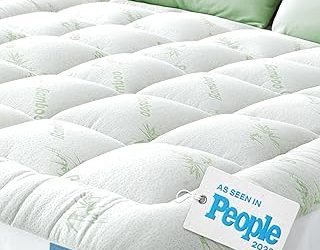
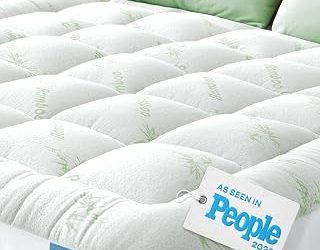
A quilted pillow top with a rayon-from-bamboo face and a genuine 20-inch pocket, which is deep enough for a pillow-top king that most fitted toppers slide right off. Best for beds that are still structurally sound but too firm at the shoulders and hips.
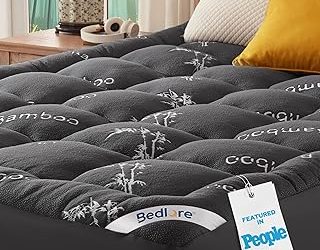
BEDLORE Viscose Bamboo Pillow Top
The stretchable corner pockets handle anything from a 6-inch guest mattress to an 18-inch hybrid, which makes this the safest pick if you are not certain of your bed height. The fill is generous without being marshmallowy, so it softens pressure points instead of swallowing your hips.
3-Inch Ultra-Fluffy Memory Foam Topper
Breathable air-mesh gussets on all four sides keep this one from sleeping as warm as most 3-inch foam, and the layered support core resists the mid-mattress collapse that causes lumbar ache. The 6–21 inch pocket range covers nearly every king on the market.
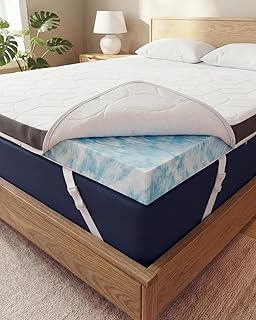
Dual-Layer 4-Inch Cooling Gel Topper
Two inches of gel memory foam underneath, two inches of plush pillow top above — the closest a topper gets to rebuilding a failing mattress. This is the pick for heavier sleepers and for beds with a real visible dip.
SOOSLEEPY 3-Inch 7-Zone Egg Crate Topper
The zoned egg-crate profile is firmer under the lumbar region and softer at the shoulders, which is exactly the geometry side sleepers need. CertiPUR-US certified foam and gel infusion keep the off-gassing and heat both manageable.
Frequently Asked Questions
Can a topper fix a sagging king mattress?
It can mask a mild dip and genuinely help with a moderate one, but a 4-inch dual-layer topper is the realistic upper limit. If a straightedge shows more than an inch and a half of sag, you are buying time, not a repair.
Firmer or softer for lower back pain?
Neutral spine is the goal, not firmness for its own sake. Back sleepers usually do better with a medium-firm zoned foam; side sleepers need enough give at the shoulder to keep the spine straight through the ribcage.
How long until my back feels better?
Give foam three or four nights to finish expanding and your body two weeks to adapt. Mild stiffness in the first few mornings is normal. Sharper or new pain after week two means the firmness is wrong.
Will my king sheets still fit?
Add the topper thickness to your mattress height and compare against your sheet’s pocket depth. Anything over 15 inches total usually calls for deep-pocket sheets or corner straps.
Final Thoughts
For a tired king that has lost its center support, the Dual-Layer 4-Inch Cooling Gel topper does the most structural work, while the SOOSLEEPY 7-Zone egg crate is the smarter buy for side sleepers who need targeted lumbar firmness. If your bed is simply too hard rather than worn out, the Niagara Sleep Solution bamboo pillow top solves it for a fraction of the cost — measure your mattress height first, then order once and sleep on it.