Key takeaways
- 2 inches: A gentle layer of pressure relief that preserves more of the mattress’s original firmness. It suits back sleepers and people who want a subtle change.
- 3 inches: The versatile middle ground. It provides noticeable contouring for side sleepers without completely swallowing the mattress underneath.
- 4 to 5 inches: A plush, substantial transformation. These options can work well for people seeking extra cushioning, but they may feel less stable for combination sleepers and can raise the bed considerably.
What's inside
A mattress topper is one of the simplest ways to change how a bed feels without replacing the entire mattress. The right memory foam layer can soften a firm sleep surface, ease pressure around the shoulders and hips, or add a little contouring to an older guest-room bed. The wrong one can trap heat, slide around, smell strongly, or make a sagging mattress feel even less supportive.
This guide takes a practical, hands-on approach to choosing a topper in 2026. We’ll look at thickness, foam design, cooling, cover and fit, then match those details to common sleeping styles and mattress problems. The products below are sensible starting points, but your existing mattress and preferred firmness should drive the final choice.
As an Amazon Associate we earn from qualifying purchases.
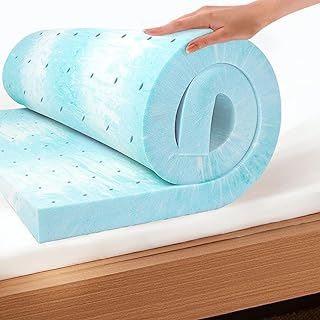


Our recommended picks: These selected toppers cover the most useful combinations of thickness, cooling features, pressure relief, washable covers, and extra cushioning.
🛒 Best Price Today on Amazon
Prime members get fast, free shipping on everything above, plus member-only deals. New members get a 30-day free trial — cancel anytime.
Start with the problem you are trying to fix
A topper is best at changing comfort, not repairing structural damage. If your mattress is merely too firm, a 2- or 3-inch memory foam layer can add useful cushioning and contouring. If the mattress is slightly worn but still level, a thicker topper may make it feel more comfortable for a while. However, deep dips, exposed springs, or a noticeably collapsing edge are signs that replacement is the better long-term fix.
For a firm mattress, consider the Linenspa 2 Inch Gel Memory Foam Topper for a modest comfort adjustment, or a 3-inch model such as the EGO or Best Price Mattress Ventilated Topper for a more pronounced hug. The thicker the foam, the more it changes the character of the bed—and the harder it may be to move around on its surface.
Choose thickness by feel, not by marketing
- 2 inches: A gentle layer of pressure relief that preserves more of the mattress’s original firmness. It suits back sleepers and people who want a subtle change.
- 3 inches: The versatile middle ground. It provides noticeable contouring for side sleepers without completely swallowing the mattress underneath.
- 4 to 5 inches: A plush, substantial transformation. These options can work well for people seeking extra cushioning, but they may feel less stable for combination sleepers and can raise the bed considerably.
Extra height also affects your fitted sheet. Measure the mattress, add the topper, and check the sheet’s pocket depth before ordering. A sheet that is stretched too tightly can pull the topper toward the corners or pop off overnight.
Look for cooling details that make practical sense
Memory foam naturally holds more warmth than an open-spring mattress because it closely surrounds the body. Gel infusion and ventilated channels may improve heat dispersion, but they do not turn foam into a naturally cool material. Room temperature, bedding, body temperature, and the density of the foam all matter.
The EGO 3 Inch Gel Memory Foam Topper, Best Price Mattress 3 Inch Ventilated Topper, and SINWEEK 3 Inch Gel Memory Foam Topper all emphasize gel and ventilation. Those features are useful things to look for, particularly if you prefer a contoured feel but sleep warm. A breathable or removable cover is another practical advantage; it can be washed more easily than the foam itself.
Pay attention to support, density, and movement
“Pressure relieving” does not always mean “supportive.” Softer foam cushions joints, while firmer or denser foam resists compression and helps prevent you from bottoming out. Side sleepers often appreciate more give at the shoulder and hip. Back and stomach sleepers usually need enough resistance to keep the midsection from sinking too far.
If you share a bed, memory foam can reduce motion transfer, but a very soft and thick topper may make turning difficult. The SINWEEK model’s removable cover and high-density positioning may appeal to shoppers who want a more contained feel. The SHOUREN 5 Inch Topper adds substantial height and includes four-way straps, which can help with fit when the bed is compatible with that attachment system.
Understand the difference between foam and pillow-top layers
Some products marketed as memory foam toppers combine a foam core with a lofty quilted or stuffed comfort layer. The WhatsBedding 5 Inch Memory Foam Topper is an example of this pillow-top approach, with fluffy breathable filling above the supportive layer. It can feel more like a soft mattress pad than a simple slab of foam.
This design is appealing if you want cushioning without the close, slow-sinking sensation of uncovered memory foam. It may also feel more inviting in a guest room. On the other hand, lofty filling can compress or shift over time, so inspect the stitching, attachment method, and care instructions. For a more predictable, body-contouring feel, a single foam topper is usually easier to evaluate.
Tips
- Unbox the topper on the bed, give it plenty of ventilation, and allow the foam to expand fully before judging its firmness.
- Use a washable protector over the topper to guard against sweat, spills, and dust without putting a bulky layer between you and the foam.
- Place the topper on a clean, level mattress and check the bed frame or slats; an uneven base can undermine even a good topper.
- Rotate the topper from head to foot occasionally if the manufacturer permits it, but do not fold or compress it in a way the care label prohibits.
Frequently Asked Questions
How thick should a memory foam mattress topper be?
For most people, 2 to 3 inches is the safest starting range. Choose 2 inches for a smaller firmness adjustment and 3 inches for deeper contouring. Five-inch models are better suited to shoppers deliberately seeking a dramatic, plush change and who have enough sheet and bed-frame clearance.
Can a mattress topper help with back pain?
It may improve comfort by reducing pressure, but it cannot diagnose or treat back pain. A topper is most promising when the mattress is too firm yet still properly supportive. If your mattress sags, a soft topper can mask the problem while allowing your spine to remain poorly aligned.
Are gel memory foam toppers actually cooler?
Gel and ventilation can help manage heat, but results vary. Choose breathable bedding, avoid an overly thick protector, and keep the bedroom cool. If you sleep exceptionally hot, a thinner topper or a non-foam design may be more comfortable than relying on gel alone.
How do I stop a topper from sliding?
Make sure the mattress and topper are the same size, use a snug fitted sheet with adequate pocket depth, and add a thin non-slip layer if needed. Straps, such as those included with some extra-thick designs, can help when they fit securely and do not distort the topper.
Conclusion
The best memory foam mattress topper is the one that solves a specific comfort problem without creating a new one. Start with the firmness and condition of your mattress, select thickness according to how much change you want, and treat cooling claims as helpful features rather than guarantees. For a balanced upgrade, a ventilated 2- or 3-inch gel foam topper is the most adaptable choice; choose a thicker pillow-top or strapped model when plushness and a secure fit matter more than a subtle feel.