Key takeaways
- Brush design. Counter-rotating or dual brush rolls, like the Dual DirtLifter setup on the BISSELL ProHeat 2X Revolution 3588F or Hoover’s SpinScrub row, scrub from multiple angles instead of just dragging fibers one direction. That’s real mechanical agitation, and it’s where deep cleaning happens.
- Suction strength. More water pulled out means faster drying and less chance of mildew in the backing. The Starrybot’s 18Kpa rating is the kind of number worth checking on portables, where extraction is often the weak link.
- Heat. Features like Hoover’s HeatForce don’t heat cold water from scratch — they maintain warmth. Fill with hot tap water and the effect compounds.
- Attachments. A hose with a pet or upholstery tool turns an upright into a hybrid machine. The ProHeat 2X and Little Green both ship with specialty tools that genuinely extend their range.
What's inside
Carpet holds onto more than you’d think. A single square yard of living-room pile can trap a surprising volume of grit, skin cells, pet dander, and dried spill residue before it ever looks dirty. Vacuuming lifts the loose stuff off the top, but the sticky, bonded material sitting down at the base of the fibers needs water, agitation, and suction working together. That’s the whole job of a carpet cleaner, and it’s why the machine you choose matters more than the bottle of solution you pour into it.
I’ve hauled a lot of these machines up and down stairs, dragged them through rentals, and rebuilt a few brush rolls that were choked with dog hair. What follows is what actually holds up in practice: how to figure out whether you need a full upright extractor or a portable spot machine, what specs are worth paying for, how to run the thing so your carpet dries in hours instead of days, and the maintenance habits that keep a cleaner from turning into a smelly plastic paperweight. No fluff, just what works.
As an Amazon Associate we earn from qualifying purchases.


🛒 Best Price Today on Amazon
Prime members get fast, free shipping on everything above, plus member-only deals. New members get a 30-day free trial — cancel anytime.
Upright Extractor or Portable Spot Cleaner?
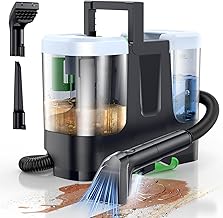
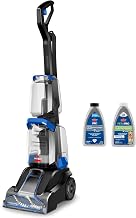
This is the fork in the road, and getting it wrong is the most common money-waster. Upright machines like the BISSELL TurboClean 3952 or the Hoover PowerScrub Deluxe are built for square footage — bedrooms, hallways, whole-house refreshes. They have wide cleaning paths, bigger tanks, and enough brush pressure to work high-traffic lanes. Portables like the BISSELL Little Green 1400B or the Starrybot Upholstery Cleaner are built for targets: a spot on the stair tread, a couch cushion, a car floor mat, the aftermath of a sick pet at 2 a.m. They’re light enough to carry one-handed and get into places an upright physically cannot reach.
Honestly, most households with pets or kids end up wanting both. If you can only buy one, buy for your most frequent problem. Recurring small accidents means portable. Annual deep cleans across 1,200 square feet means upright.
Specs That Actually Change the Result
- Brush design. Counter-rotating or dual brush rolls, like the Dual DirtLifter setup on the BISSELL ProHeat 2X Revolution 3588F or Hoover’s SpinScrub row, scrub from multiple angles instead of just dragging fibers one direction. That’s real mechanical agitation, and it’s where deep cleaning happens.
- Suction strength. More water pulled out means faster drying and less chance of mildew in the backing. The Starrybot’s 18Kpa rating is the kind of number worth checking on portables, where extraction is often the weak link.
- Heat. Features like Hoover’s HeatForce don’t heat cold water from scratch — they maintain warmth. Fill with hot tap water and the effect compounds.
- Attachments. A hose with a pet or upholstery tool turns an upright into a hybrid machine. The ProHeat 2X and Little Green both ship with specialty tools that genuinely extend their range.
Match the Solution to the Mess
Machine detergent and spot treatment are different products doing different jobs. Pour a spot spray into a tank and you’ll generate foam that clogs the recovery path. Formulas like BISSELL’s Pro Max Clean & Protect are engineered as low-foaming machine solutions; the included Oxy Urine Eliminator targets the uric acid crystals that make pet odors come back weeks later.
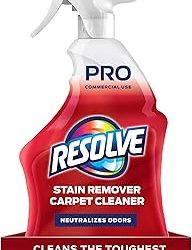
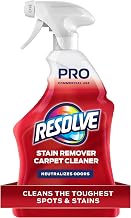
For everything in between — the coffee ring, the tracked-in mud, the mystery smudge by the door — keep Resolve Professional Strength Spot and Stain within reach. Treating a stain in the first few minutes beats any machine you can buy. And always spot-test on a closet corner first, especially on wool or anything with a jute backing.
The Technique That Separates Good Results From Wet Carpet
Vacuum thoroughly first, twice in crossing directions if the carpet is dense. Pre-treat visible stains and let them dwell five to ten minutes. Then work in overlapping three-to-four-foot lanes: one slow forward pass with the trigger down to lay solution, followed by two or three dry passes with the trigger released to pull moisture back out. Those dry passes are the part people skip, and they’re the entire difference between carpet that’s damp for two hours and carpet that’s damp for two days. Empty the recovery tank the moment suction feels weak, not when it overflows.
Drying, Airflow, and Not Ruining Your Floor
Once the last pass is done, open windows, run ceiling fans, and point a box fan across the pile at floor level. Aim for four to six hours before foot traffic and stay off it entirely with shoes. Slide furniture legs onto small squares of foil or plastic so metal glides and wood stain don’t bleed into damp fibers. If a room still feels cool and clammy the next morning, you left too much water behind — reduce the solution flow and add another dry pass next time.
Tips
- Fill with the hottest tap water your machine allows, and mix the solution in the tank rather than dumping it in dry.
- Blot spills with a white towel, never colored — dye transfer creates a second stain worse than the first.
- Rinse the brush roll and clear-out port after every session; five minutes now prevents the sour smell that ruins a machine.
- Work from the far corner toward the doorway so you never trap yourself on wet carpet.
Frequently Asked Questions
How often should carpet be deep cleaned?
Once a year for low-traffic rooms, every six months for high-traffic areas, and every three to four months with pets or allergy sufferers in the house. Spot-clean accidents immediately regardless of schedule.
Can I put vinegar or dish soap in the tank?
Skip it. Dish soap foams badly and leaves a residue that attracts dirt faster than before. Vinegar can damage seals over time. Machine-formulated low-foam solutions cost little and protect the equipment.
Why does my pet stain keep reappearing?
Urine soaks into the padding beneath the carpet and wicks upward as it dries. Surface cleaning only treats the top layer. Use an enzyme or oxy-based urine formula, apply generously enough to reach the pad, and extract thoroughly.
Is a portable spot cleaner powerful enough for a whole room?
Physically possible, practically miserable. Small tanks mean constant refilling and a narrow head means dozens of passes. Portables shine on stairs, upholstery, and car interiors — leave open floor to an upright.
Conclusion
The best carpet cleaner is the one matched to how your household actually makes messes. Choose an upright with counter-rotating brushes for real square footage, keep a portable and a bottle of spot treatment ready for daily accidents, use hot water with a low-foam machine formula, and commit to those extra dry passes. Do that consistently and your carpet will look and smell better than a once-a-year professional visit ever managed.