Key takeaways
- A hose long enough to reach a full flight of stairs from the landing
- A narrow upholstery head for sofa cushions and car seats
- A stiff-bristle pet tool for grinding matted hair out of fibers
- A crevice or detail nozzle for baseboard edges and vehicle footwells
What's inside
Carpet takes more abuse than any other surface in a house. It absorbs spilled coffee, tracked-in road salt, pet accidents, and the slow gray film of foot traffic that a vacuum simply cannot lift. Once that grime works down into the backing, the fibers start to look tired no matter how often you run the vacuum over them. A wet extractor is the tool that changes the equation, flushing loosened soil out with water and pulling it back into a dirty tank where you can actually see the damage you undid.
The trouble is that “carpet cleaner” covers three very different machines: full-size uprights built for whole rooms, handheld spot extractors for accidents and stairs, and bottled pretreatments that do the chemical work before either one shows up. This guide breaks down which format matches your house, how to read the specs that actually matter, and how to get salon-level results out of mid-priced hardware. Fair warning: technique matters more than sticker price here.
As an Amazon Associate we earn from qualifying purchases.



🛒 Best Price Today on Amazon
Prime members get fast, free shipping on everything above, plus member-only deals. New members get a 30-day free trial — cancel anytime.
Match the Machine Format to Your Actual Mess
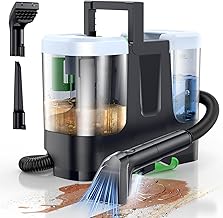
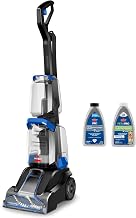
Start by counting your square footage of carpet. If you have bedrooms and a living room to cover, a full-size upright earns its storage space. The BISSELL ProHeat 2X Revolution Pet Pro Plus runs dual counter-rotating brush rows that work fiber from both directions, and the Hoover PowerScrub Deluxe uses rotating SpinScrub heads with a heated airflow stage to shorten dry time. If your carpet is limited to a few rugs, stair runners, and a couch, skip the upright entirely. The BISSELL Little Green 1400B and the Starrybot Upholstery Cleaner handle spot work at a fraction of the bulk, and the Starrybot’s 18Kpa suction is genuinely useful on saturated pet accidents where recovery is everything.
Understand Suction Recovery Over Everything Else
Every extractor sprays water. The difference between machines is how much of that water comes back. Poor recovery leaves moisture in the pad and backing, which means slow drying, wicking stains that resurface a day later, and in bad cases a musty smell. This is why suction figures and drying features deserve more weight than tank size in your decision. On uprights, look for a dedicated drying pass mode like HeatForce; on portables, prioritize raw suction pressure. Practical test: after your final dry pass, press a white paper towel into the carpet with your palm. Barely damp is a pass. Visibly wet is a fail, and you should keep pulling.
Treat Stains Before the Machine Touches Them
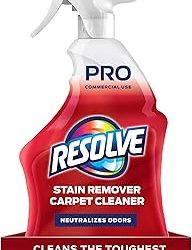
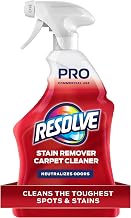
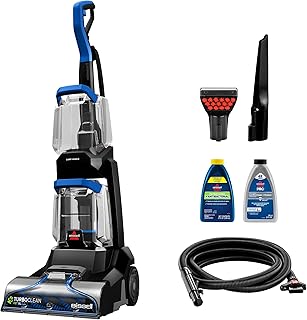
Extractors are excellent at removing suspended soil and mediocre at breaking chemical bonds. That is the job of a pretreatment. Working a product like Resolve Professional Strength Spot and Stain into set-in marks five to ten minutes ahead of the machine gives the surfactants time to release the stain from the fiber so extraction can carry it away. For organic messes, enzyme-based formulas matter more than general detergents, which is why the BISSELL TurboClean 3952 shipping with an Oxy urine eliminator alongside its Pro Max Clean & Protect concentrate is a meaningful bundle rather than packaging filler.
Check the Attachments Before You Buy
The tool set determines how far your machine’s usefulness extends past open floor. Look specifically for:
- A hose long enough to reach a full flight of stairs from the landing
- A narrow upholstery head for sofa cushions and car seats
- A stiff-bristle pet tool for grinding matted hair out of fibers
- A crevice or detail nozzle for baseboard edges and vehicle footwells
Budget for Solution and Maintenance
The machine is the down payment. Concentrate is the recurring cost, and skimping here backfires: household dish soap foams uncontrollably, damages pumps, and leaves a sticky residue that attracts dirt faster than before you cleaned. Buy manufacturer-matched solution, use the dilution ratio printed on the cap, and rinse the recovery tank, filter screen, and brush roll after every session. Ten minutes of cleanup is what separates a machine that lasts eight years from one that starts smelling like a swamp by month four.
Tips
- Vacuum thoroughly first. Dry soil turns to mud the second it gets wet, and mud is far harder to extract.
- Work in overlapping lanes: one slow wet pass forward, then two or three dry passes back over the same strip with the trigger released.
- Set a box fan at floor level pointing across the damp carpet and crack a window. Airflow cuts dry time roughly in half.
- Test any new solution in a closet or under furniture first, especially on wool or older dyed carpet.
Frequently Asked Questions
How long does carpet take to dry after cleaning?
Typically four to eight hours with decent airflow and thorough dry passes. Machines with a heated drying stage land at the faster end. If you are still finding damp spots the next morning, you sprayed more water than you recovered.
Is renting better than buying a carpet cleaner?
Rentals make sense once a year at most. If you have pets, kids, or light carpet, two or three rentals cost about what a solid home upright does, and owning one means you can hit an accident immediately instead of waiting for the weekend.
Can I use these machines on upholstery and car interiors?
Yes, provided the fabric is water-safe and you use the correct attachment. Compact units like the Little Green and Starrybot are designed for exactly this, though you should always check the manufacturer’s cleaning code on furniture tags first.
How often should I deep clean carpet?
Every 12 to 18 months for lightly used rooms, and every six months for entryways, hallways, or homes with pets. Spot-clean accidents the day they happen rather than saving them for a full session.
Conclusion
The best carpet cleaner is the one sized to your home rather than the one with the longest feature list. Choose a full-size upright with strong recovery and real drying capability if you have rooms to cover, add a portable spot extractor if pets or kids make messes on a schedule you cannot predict, and keep a bottle of pretreatment within arm’s reach either way. Pair reasonable hardware with slow passes, honest dry time, and consistent tank maintenance, and your carpet will look markedly better for years longer than it otherwise would.